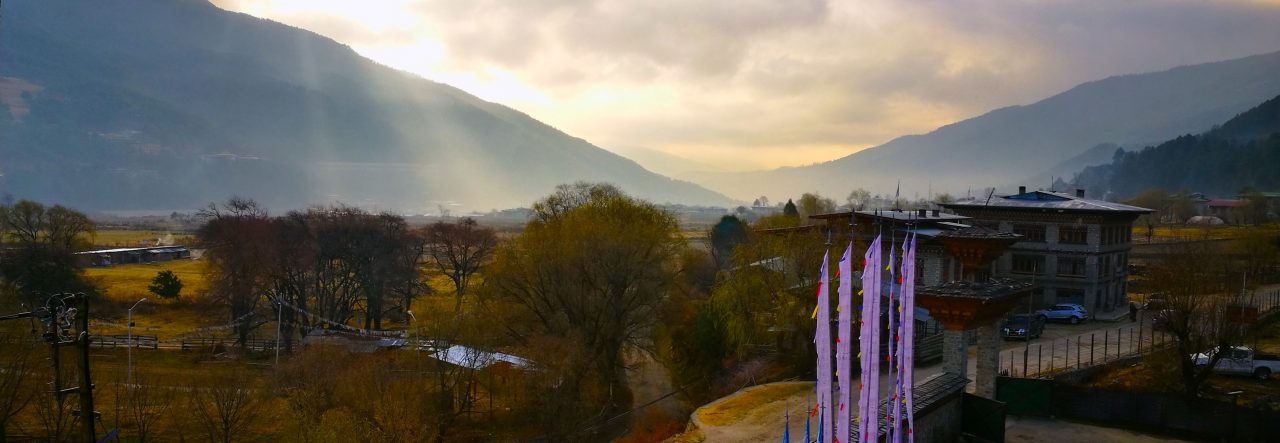
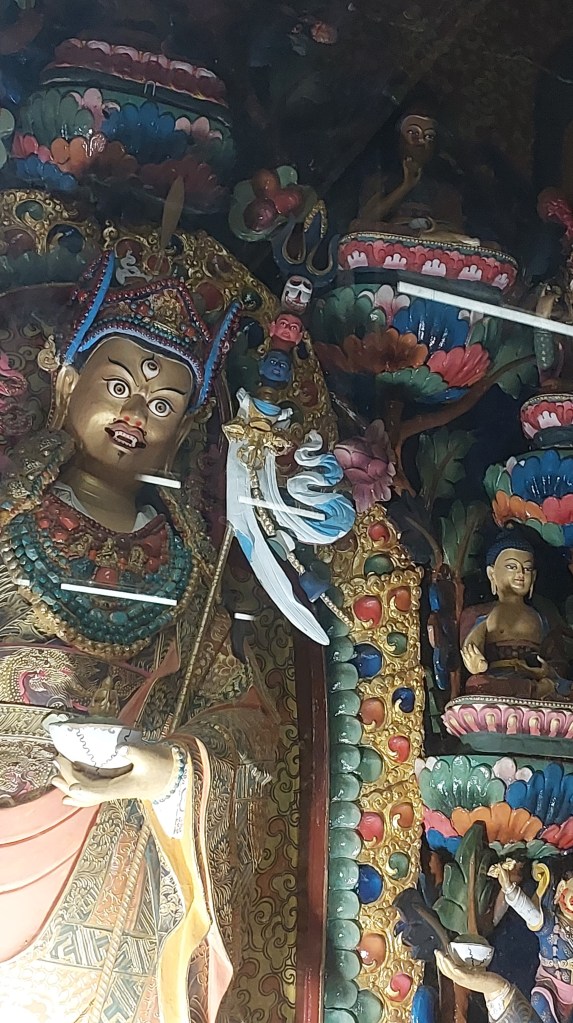
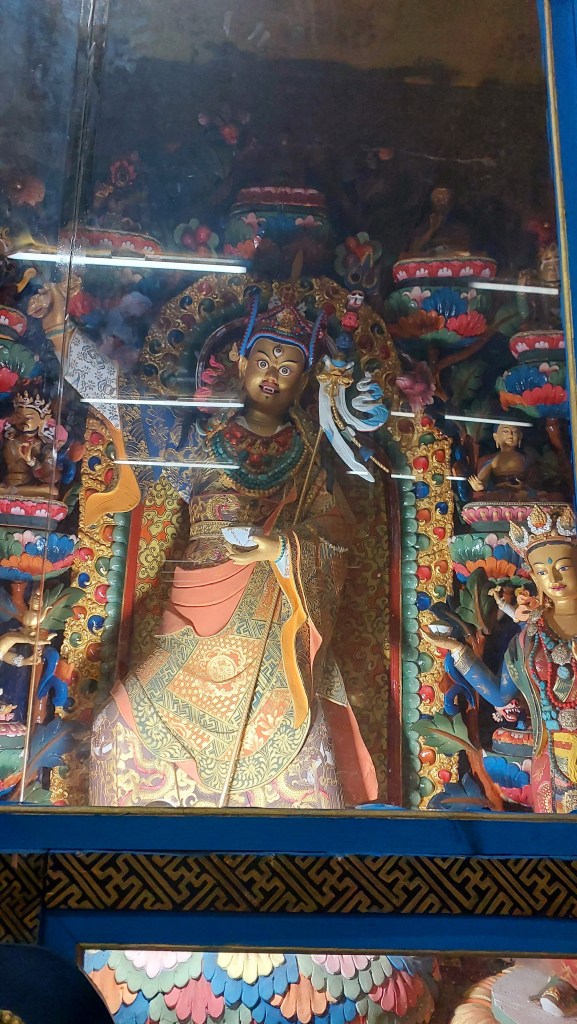
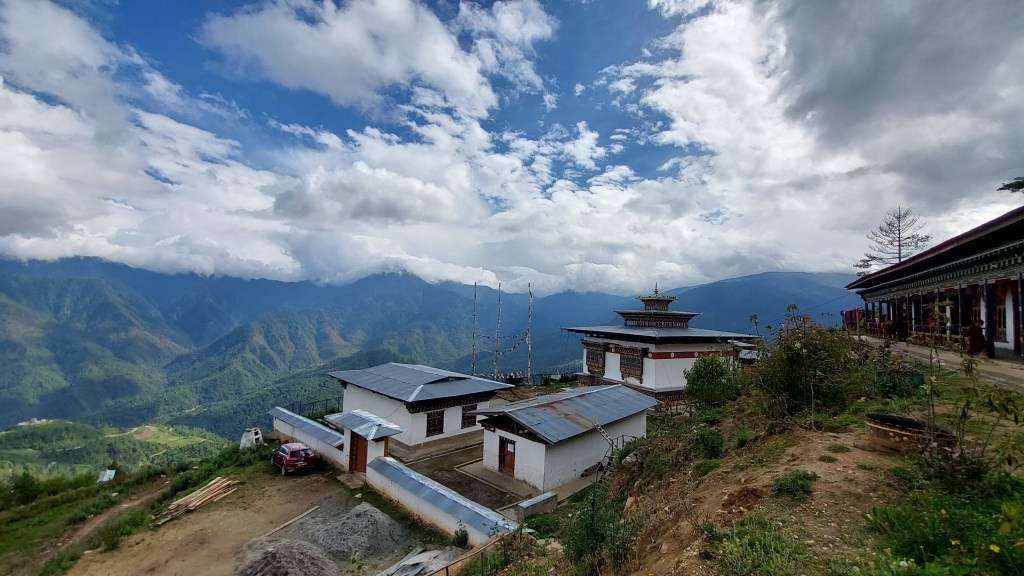
Tshedrak Gonpa, Naja Gewog, Paro – In September 2020, Guide Chimi, popularly known as the Prostration Man, reached out to me. He was initiating a set of large statues of Guru Sampa Lhendrup and the Eight Manifestations, for his village temple, Tshedrak Gonpa, in remote Naja gewog in Paro. He asked me if I could sponsor of the Eight manisfestations of Guru statue.
I told him, “Why not?” And paid the statue maker directly for Guru Pemasambhava.
I had never been to Tshedrak Gonpa but the opportunity to be a part of this magnificent spiritual project was enticing. It is not that I had excess money either. However, I thought, first of all, my descendents and I can someday visit this temple, or drive past it, with pride that I played a small part in rebuilding this religious monument.
Second, money will come and go. But time only rolls in one direction. It will be an instant when you realise that months have passed by and years have turned into decades.
And then decades will become centuries and, one day, we will be long gone. But this temple will remain. Caretakers will tell the stories of some devotees of destiny, who built this temple. Just as we are proud of our past heritage and our ancestors, our descendents will feel the same about us. I always say that our generation must do our bit instead of basking in past glory, or instead of whining that nothing is enough.
So, on this Tara Day of the Sage Dawa month I decided to make my maiden visit to this temple I heard so much about, and to also see for myself what I had actually got into.
The Rocky Cliff of Longevity
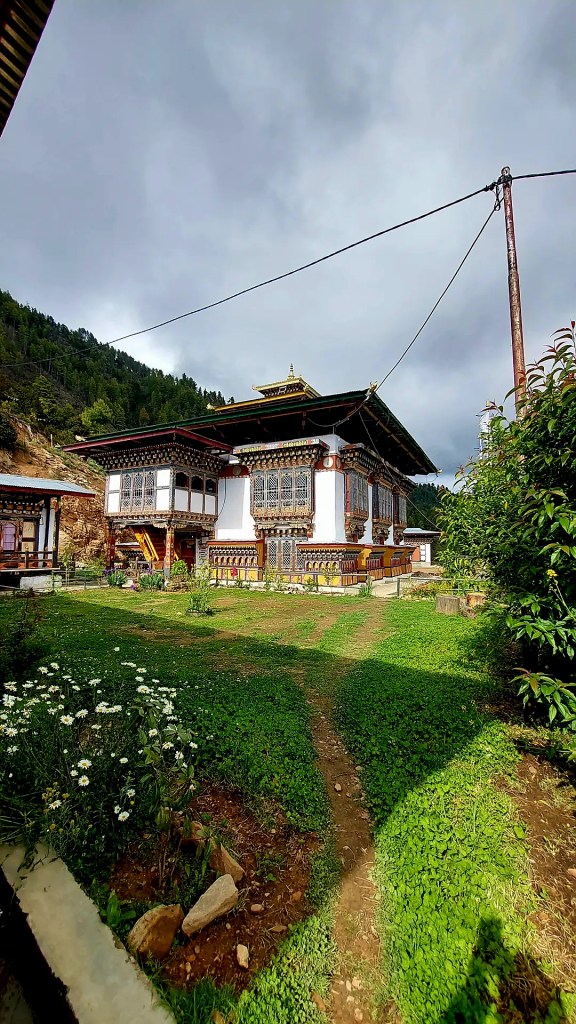
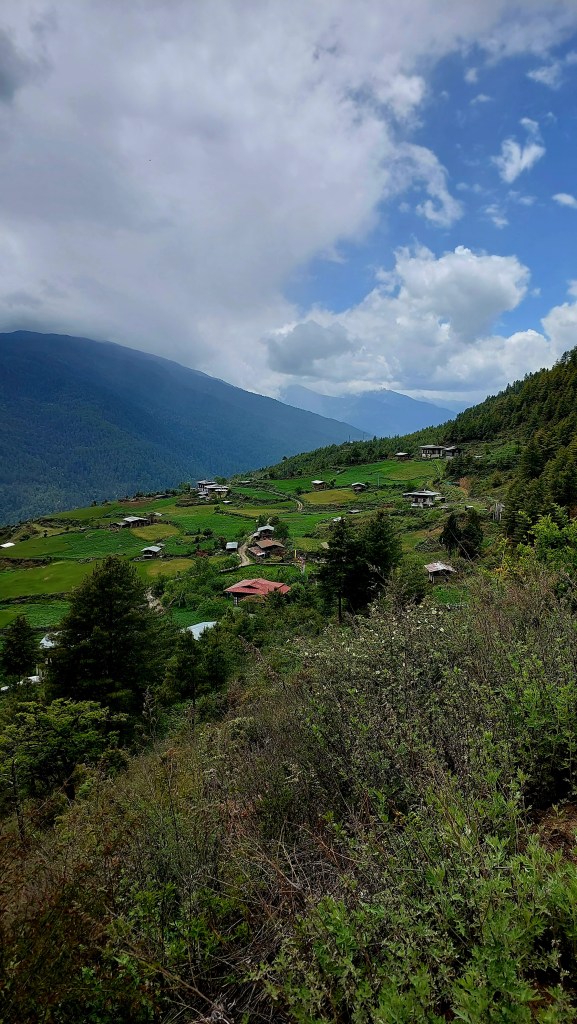
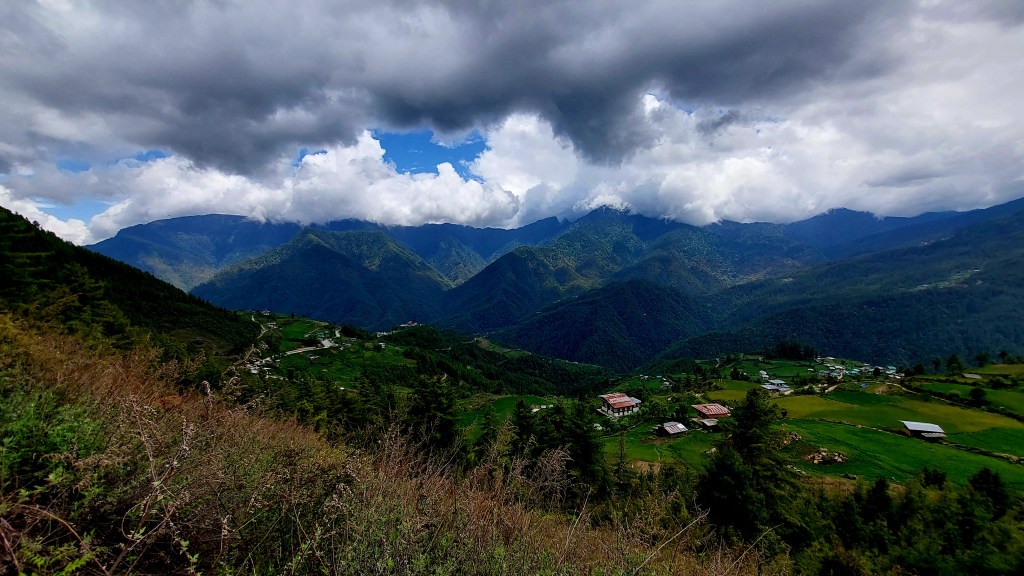
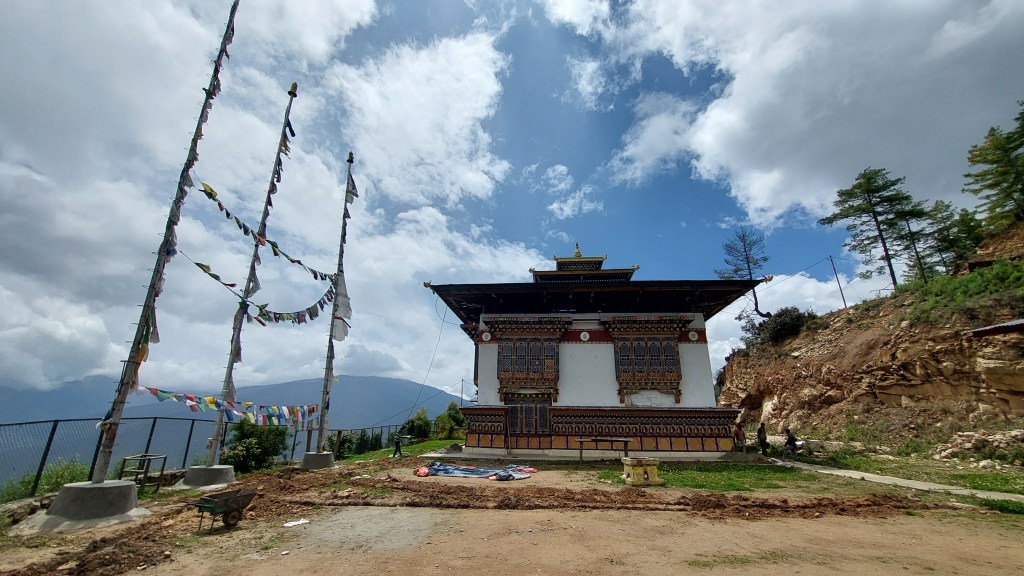
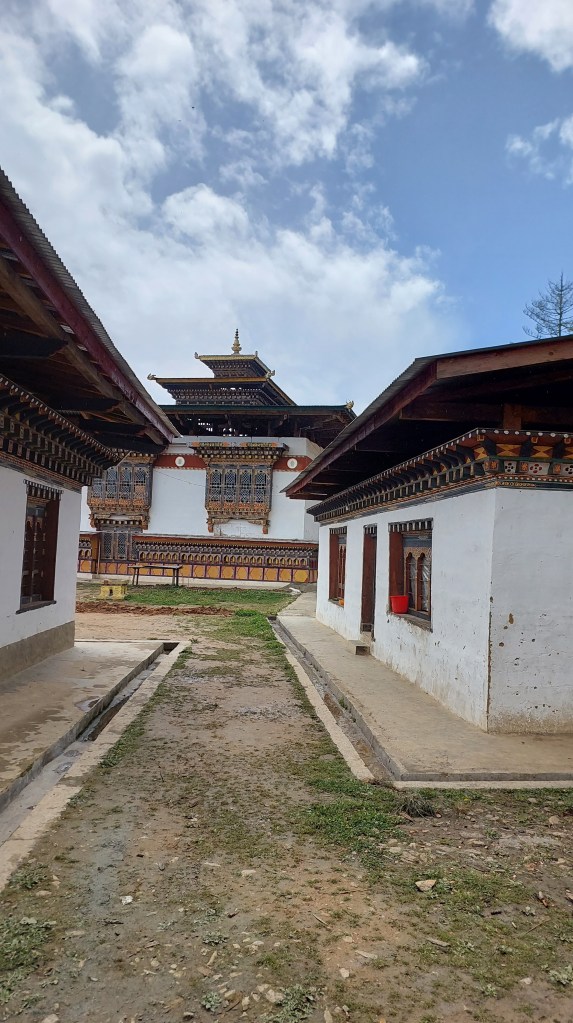
Tshedrak Gonpa stands above Tshegon village in Naja Gewog in lower Paro. To the south one can see the forested mountains of Chukha with Geling Gonpa towards the left peak. Haa Chu flows down at the bottom of the valley. It takes three hours with a small utility car from Thimphu.
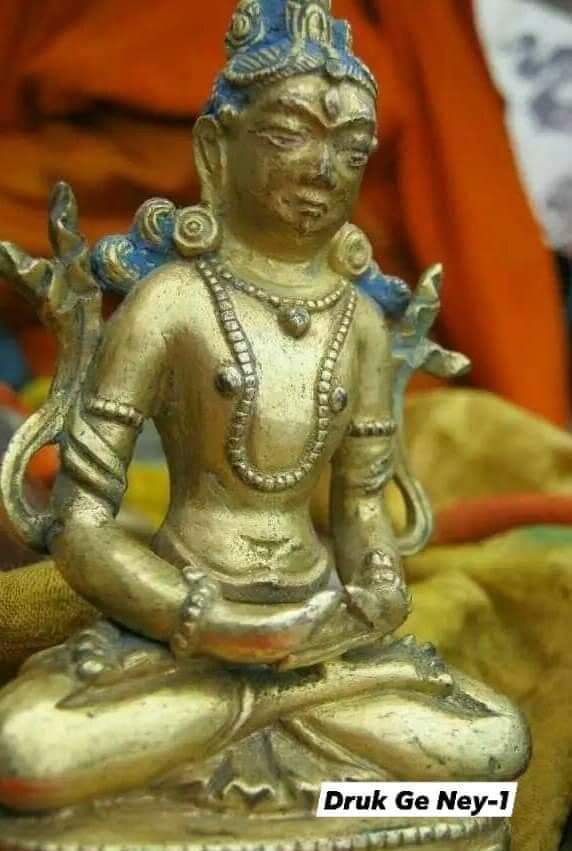
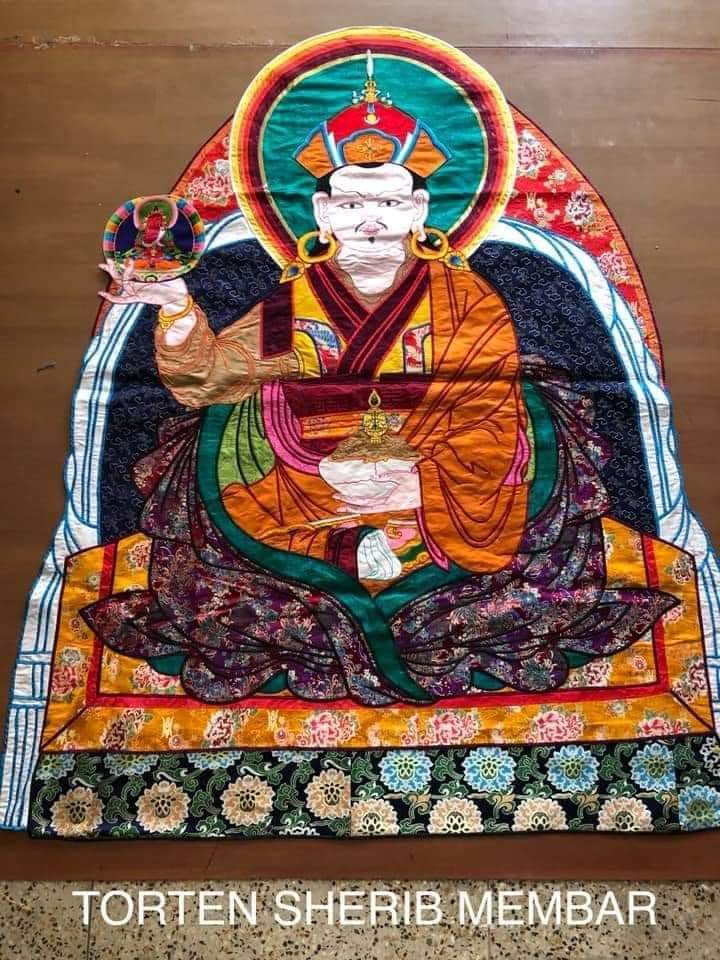
Tshedrak means a “rocky cliff of longevity” and gets its name from a mountain that stands behind the temple. Here, the legend says, Terton Sherub Mebar (1267-1326) discovered a ter-statue of Sangye Tshepamay (Buddha Amitayus) from the cliff of longevity.
“While Sherub Mebar is more known as being associated to Ugyen Guru temple in Paro, it is here that he made his first discovery and proved his worth as a terton (treasure revealer)”, says Lopen Damcho Wangdi, a monk-teacher of Tshedrak. The revelation happened in the 13th century and, according to Lopen Damcho.
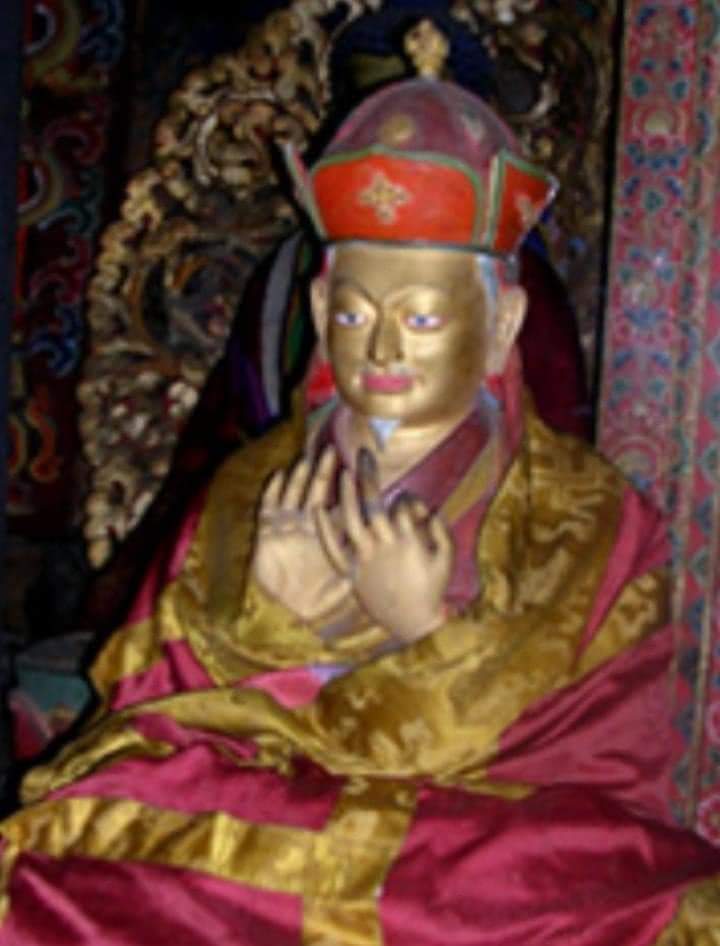
Then in the 18th Century the temple reappears in the hagiography of the Seventh Neyphu Trulku Namdrol Dorji, a contemporary and a good friend of the 25th Je Khenpo Sherub Gyeltshen (1771-1848), popularly known as Gori-Je. While there is no written record, it is possible what many claim and that Namdrol Dorji founded Tshedrak Gonpa. This is also evidenced by the fact that the propitiating rituals to the Peling Kasungs are conducted regularly here.
The Ku-ten Sung-ten of Tshedrak
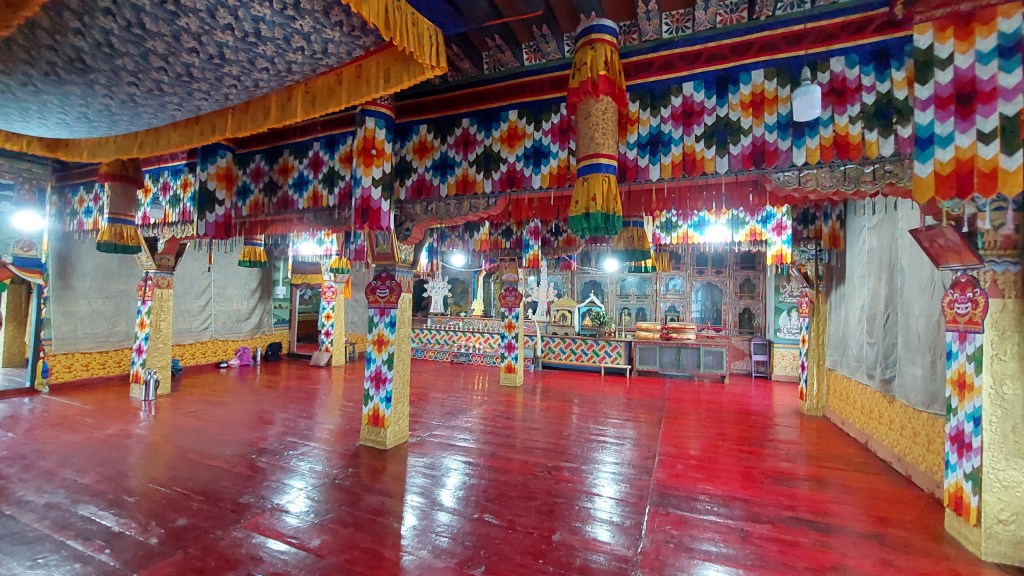
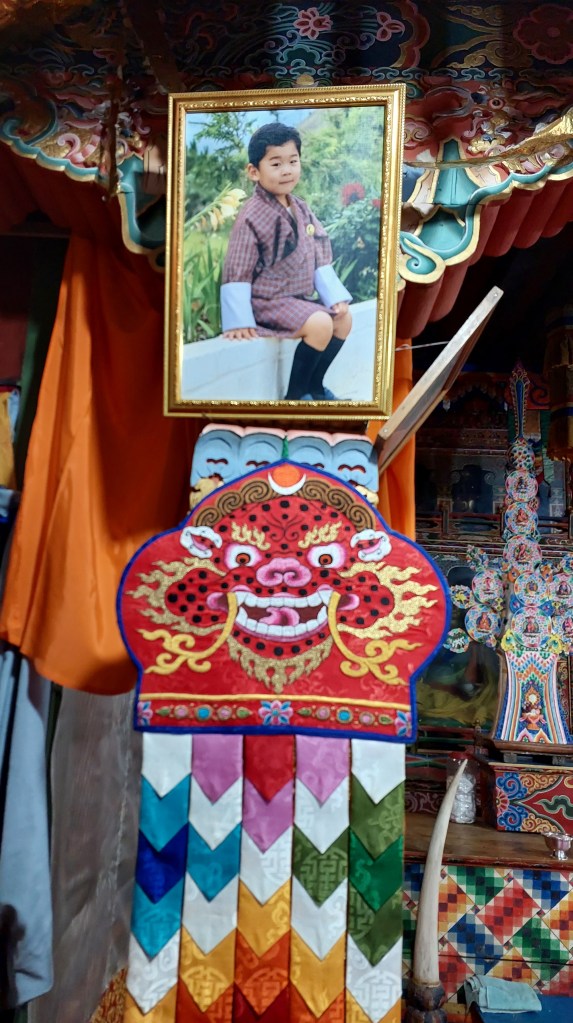
The top floor has the main altar and the goenkang (chapel of the protector deities). The central figure is the Eleven-head Thousand-hands Avalokiteshvara, and represented according to the Peling Tradition. Other deities and bodhisattvas fill the entire altar that covers one wall of the main temple.
Of great interest to many is the goenkang, which houses the statues of the powerful tutelary deities plus Aum Ngagsum, the deity protector Ekjati of the Peling Tradition.
”Aum Ngagsum is a norlha (wealth conferring deity) and she is extremely generous and revered by people who are into business”, says Lopen Damcho. “Many people have become wealthy and prosperous, and got their wishes fulfilled,” he added. In fact on the day I visited a young girl accompanied by her two elder women were paying gratitude to the deity.
“Aum Ngagsum’s support is guaranteed but her generosity is closely guarded by the Tsedrak Tsen (Mountain deity of Tshedrak). If the beneficiaries do not show up to offer their gratitude, or annual homage after becoming rich from here, he retaliates and sometimes very violently,” he adds.
The sung-ten (literally meaning the Speech relic) is a volume of Sung-bum (One Hundred Thousand Verses of Perfection of Wisdom). It is believed that mere reading of this sacred scripture would not only help recover anyone from a serious disease but also guarantee a long life because of the life blessing from this temple.
In fact, thanks to the blessing of Sangye Tshepamay and the protection of Aum Ngagsum, the villages of Tshegon and Jabana are not only strong and healthy, they are also prosperous. Many people in Tshegon have lived past 100 years.
Getting there
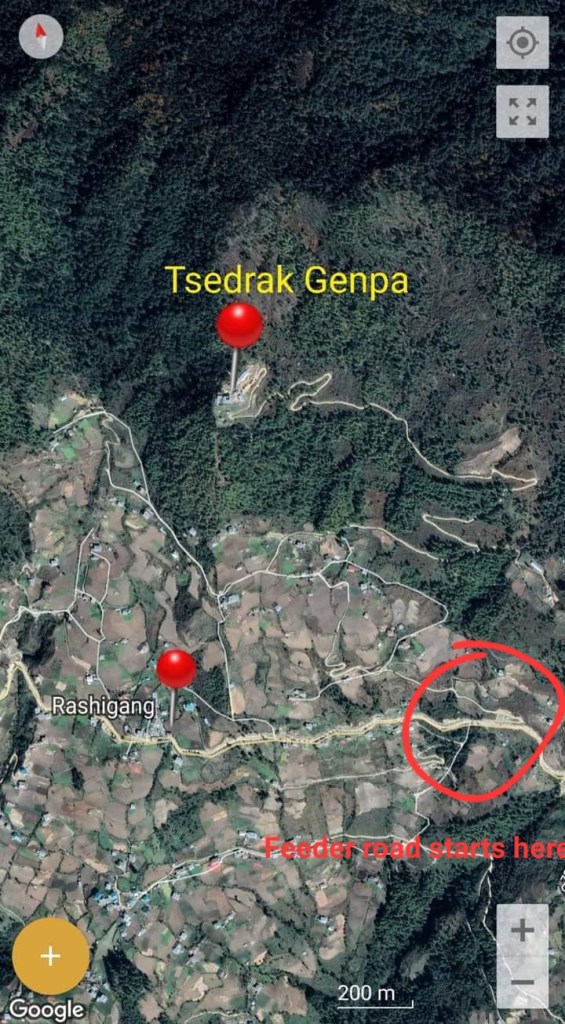
It takes three hours with a small utility car from Thimphu to Tshedrak Gonpa. It is located in Haa Valley but under Paro District administration. From Thimphu drive to Chuzom and further down to Damcho towards Phuntsholing. From Watsha turn right towards Haa.
Tsedrak Gonpa is above Tshegon Village just before Rangshikha. You can see it on top of the mountain to the right from Gatro Restaurant. Take the first rough road to the right after the restaurant.
Sherub Mebar and Nyephu Trulku
For more on Terton Sherub Mebar you can check the post by Passang Passu Tshering. https://www.passudiary.com/2015/06/history-of-terton-sherab-mebar-we.htm
It is believed that Ugyen Guru Temple in Pangbisa received its curative powers from the Sangay Tshepamey ter discovered by Terton Sherub Mebar from Tshedrak. Pangbisa Rilbu (blessed pills) has such a power to cure the illness that in the past one rilbu was exchanged for one ox.
For more on Nyephu Trulku Namdrol Dorji, you can check this link http://www.neyphug.org/biography.html
 Dorji Wangchuk
གཞན་གྱིས་དགེ་བ་བྱེད་པ་ཐོས་པའི་ཚེ། །དེ་ལ་ཕྲག་དོག་མི་དགེའི་སེམས་སྤངས་ནས། །སྙིང་ནས་དགའ་བས་རྗེས་སུ་ཡི་རང་ན། །དེ་ཡི་བསོད་ནམས་མཉམ་དུ་ཐོབ་པར་གསུངས། །
LikeLike