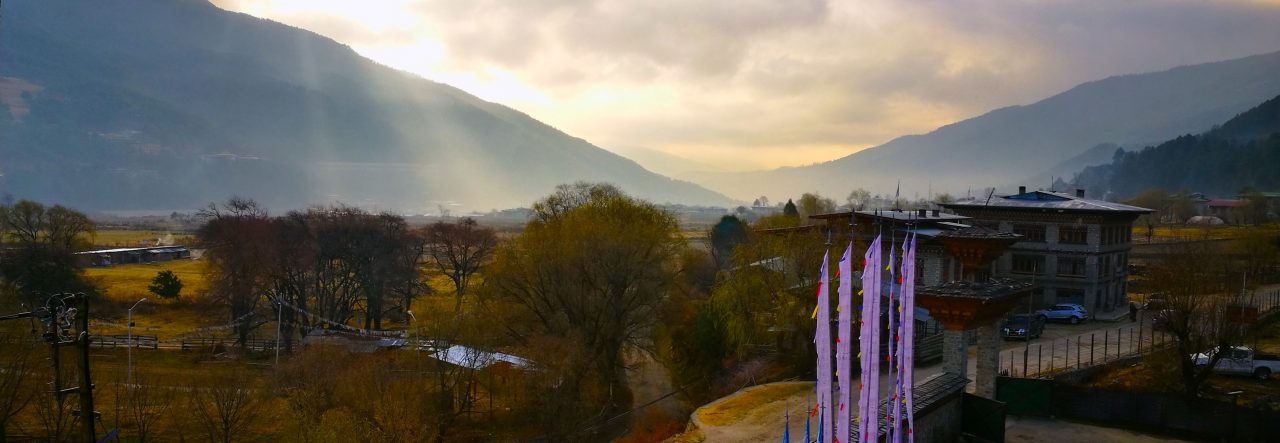
My friends from Punakha once shared a story of when they were growing up in the 1980s.
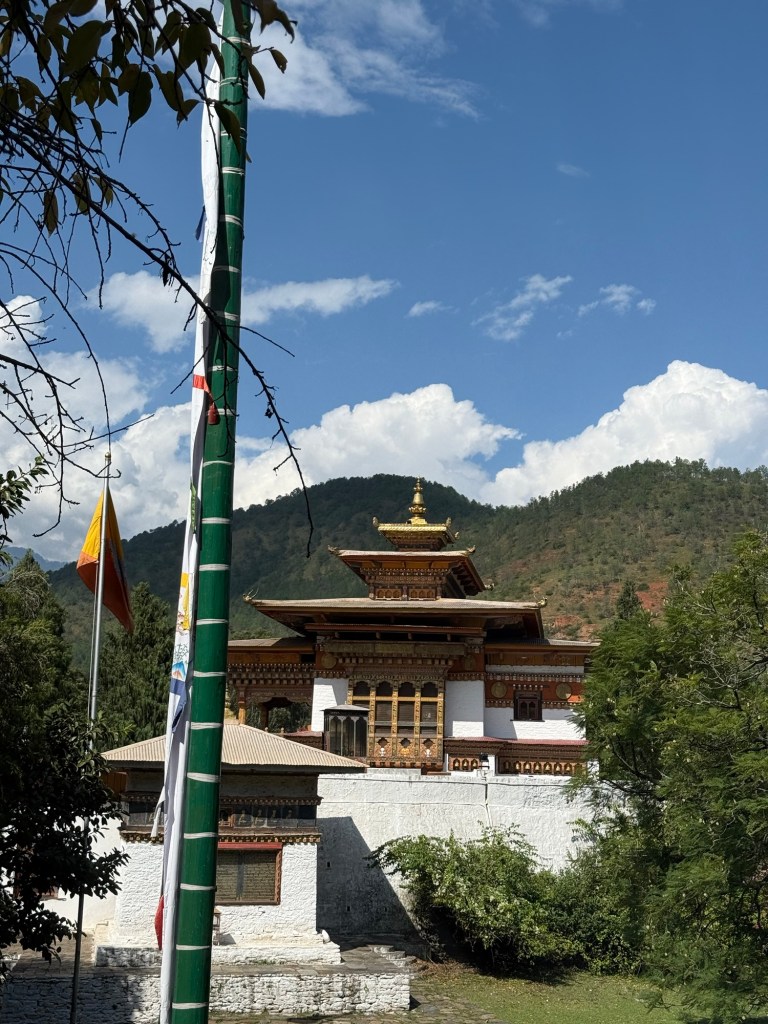
Those days parents would say things like, “Today, we are going to the Dzong to see our lama” or “The astrologers have recommended offering a tshog to the lama”, or even “He is possessed by an evil spirit and needs to get the blessing of the lama”. However, they saw no lama on their trips to the Dzong, but just visits to a couple of temples including the sacred Machen.
It was only much later in life that they realised that the lama that their parents were referring to was the sacred Machen – the mortal remains of Zhabdrung Ngawang Namgyel, who the devout Bhutanese Buddhists believe is in deep meditation called thugdam for over 370 years.
As a communication scholar I found that fascinating. The popular use of the term, lama, to refer to the first Zhabdrung Ngawang Namgyel and to treat him as if he were “alive” is amazing in terms communication strategy and linguistic use. Of course, the belief and devotion would paid off in terms of getting rid of some evil spirits bothering them.
But, what a beautiful way to honour the founding father – to believe that he never left us. Sometimes, all you need is a simple use of a language.
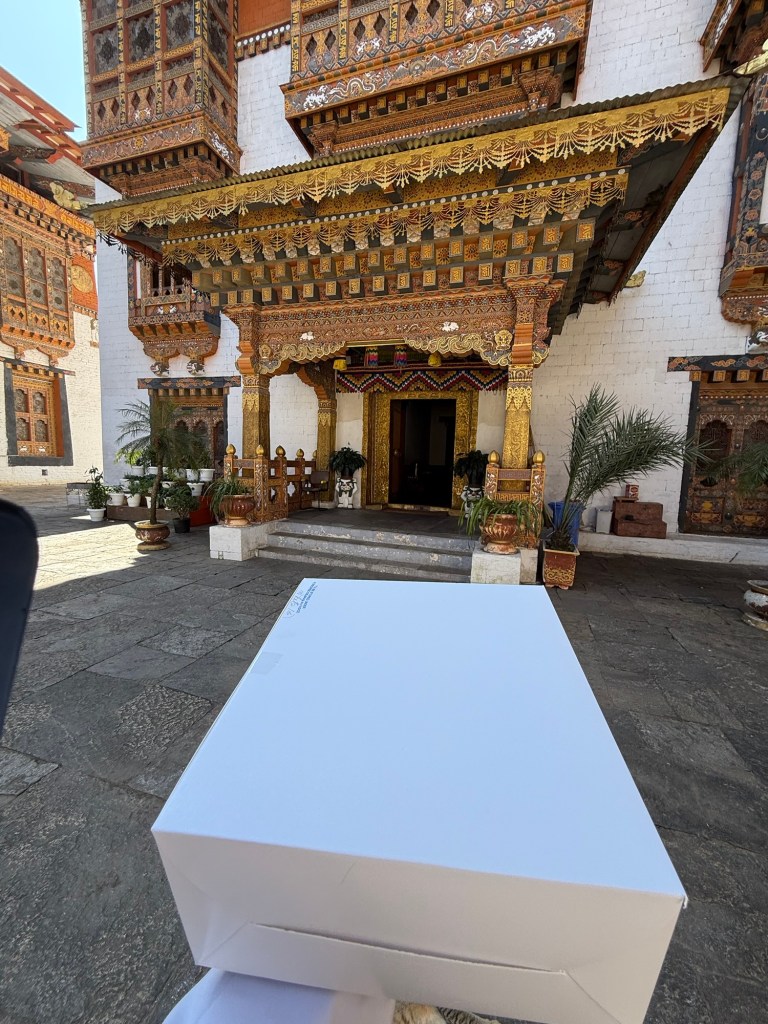
As far as the locals of Punakha were concerned, the lama is still there. Now, whenever I go to Punakha I take a cake for our lama.
To my friends from Punakha, please keep using the term Lama to refer to the Machhen. This is preservation of culture.
This is the greatest honour we can render to a man who founded us, because by doing so you are keeping his spirit, power alive
🙏🏻🙏🏻🙏🏻

 Dorji Wangchuk