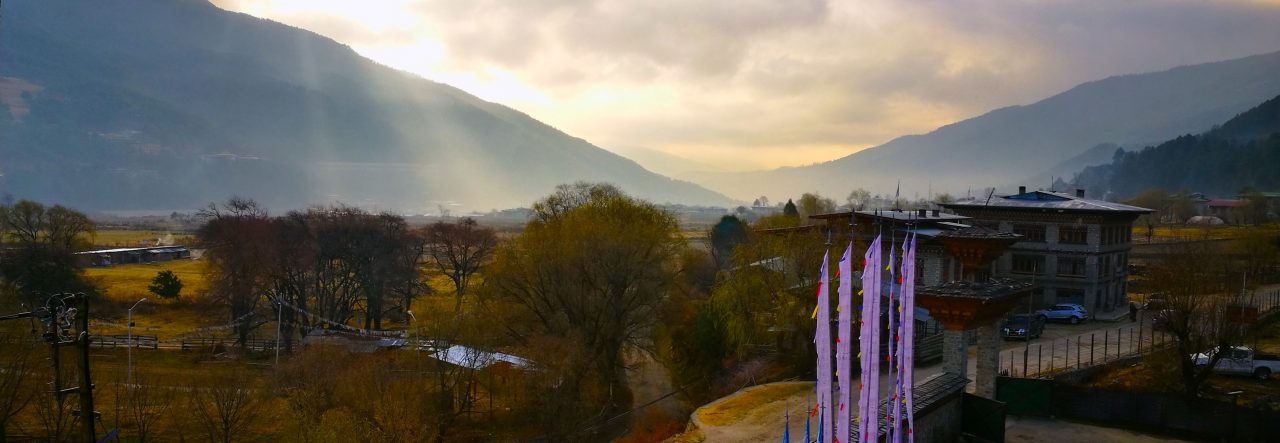
The big river that passes Phuntsholing, which becomes Toorsa in India, is called Aum-Mo Chhu and not Amochu. Even Dzongkha speakers have anglicised the river, thus making it lose its meaning. The sacredness of the river is not even talked anywhere in the urban narrative.
And yet, Aum Mo Chhu is sacred. It originates from Chumbi valley in Tibet, where it is called Machhu. According to sources, the names of Chomo, Jomo, Chumbi are all of same origin – referring to the same deity – Jomo Tashi Tsheringma, whose abode is believed to be Mt. Jomolhari and a couple of other mountains in Sikkim, Tibet and Nepal (Mt. Gaurishankar).
Tashi Tsheringma is the eldest of the five Tsheringma sisters of longevity (Tshering Chhe-nga) and many mountains in the Himalayas are named after them. Mt. Everest – aka Chomolungma in Tibetan is believed to be the abode of one of the Tsheringma sisters – Miyo Lhangzangma.
Aum Mo is probably a shortened version of Aum Jomo Tsheringma. However, this Aum Jomo is different from Aum Jomo of Merak-Sakten. That one refers to Jomo Remati – an emanation of Aum Palden Lhamo.
The Aum-Mo Chhu is sacred to the inhabitants like the Lhops (derogatively known as Doyas) – one of the two earliest inhabitants of Bhutan, and to the people of Chumbi valley in Tibet.
Names of places and the origin stories should be recorded, retained and taught to younger generations. Inter generational transfer of values and traditions happen effectively through stories. They define who we are. They need to be told and retold because they hold our collective history, popular narratives and wisdom.
If the sacredness is gone, our essence will fade and slowly we will become like any other societies that sees nature as a source of exploitation. At a broader level, retaining that essence is good for cultural identity and sovereignty.
(Photo – BBS)
For more on Tshering Che-nga, you can click here.


 Dorji Wangchuk