Practising Generosity


On this auspicious Choekor Duechen (aka Drub Tshezhi in Bhutan), I decided to practise giving and compassion by offering the money I had budgeted (10k) for religious activities, to Bhutan Stroke Foundation.

Today is celebrated as the First Day of Teaching by Buddha after he attained enlightenment. It is one of the four holiest days of the year in Buddhism. As a lay practitioner, the day is of reflection and practice. I reflected well this morning in my altar room (decided I was doing OK 😜😜😜).

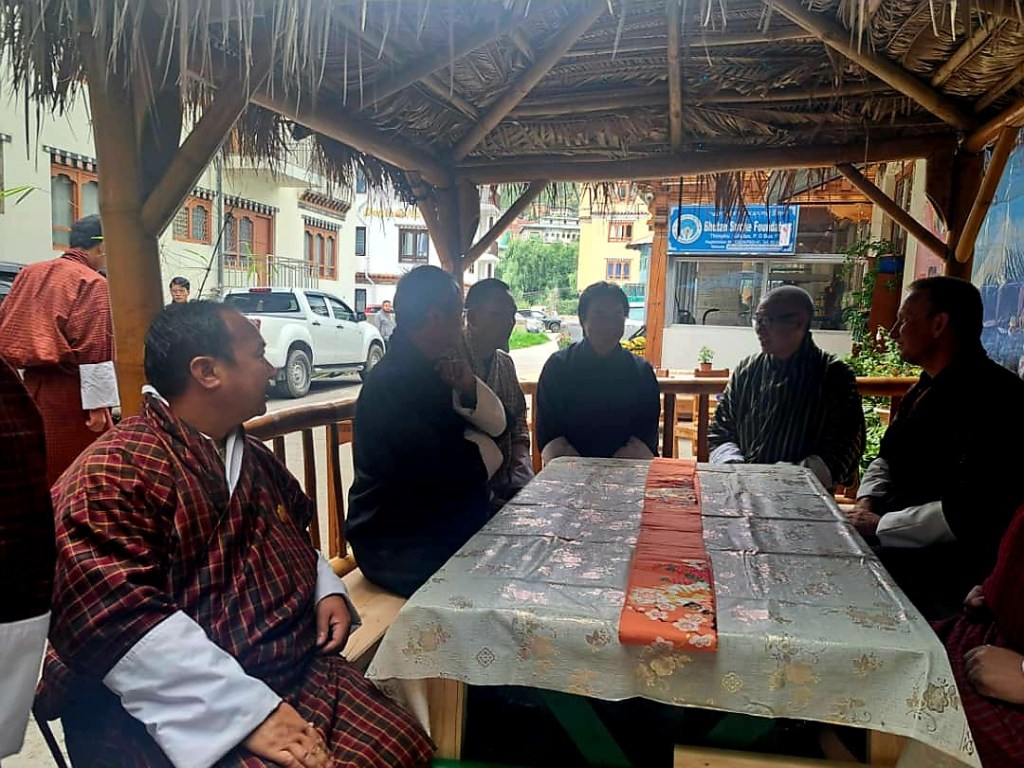
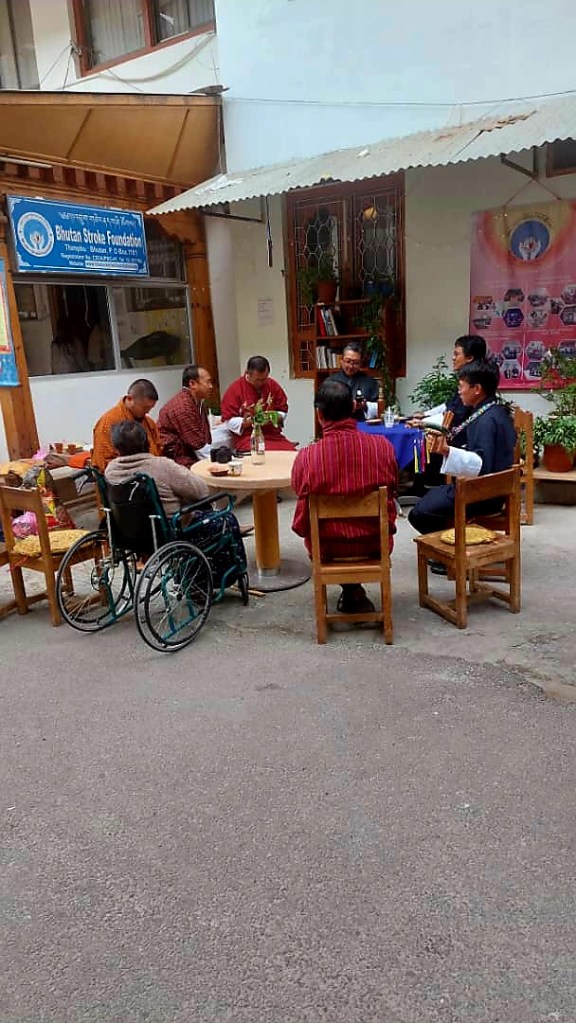
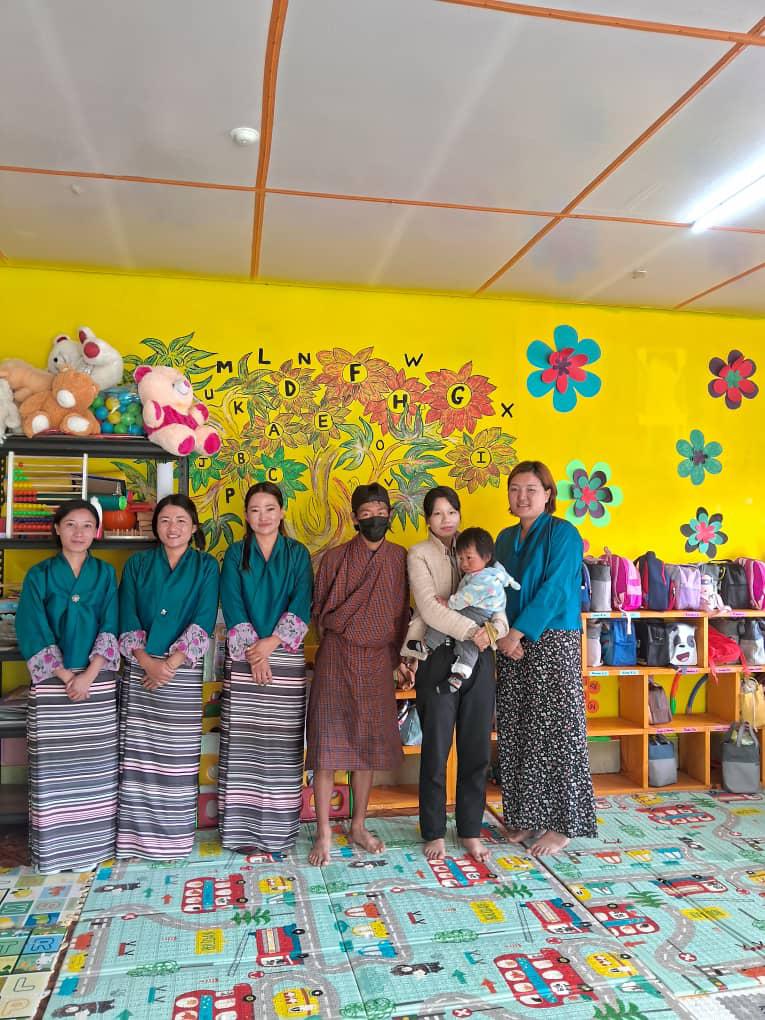
For the practice part, I chose to practise compassion (core teaching in Vajrayana) to help the 130+ post-stroke patients that are currently served by Foundation. I spent the day with some of them who are currently living in the office complex of BSF.
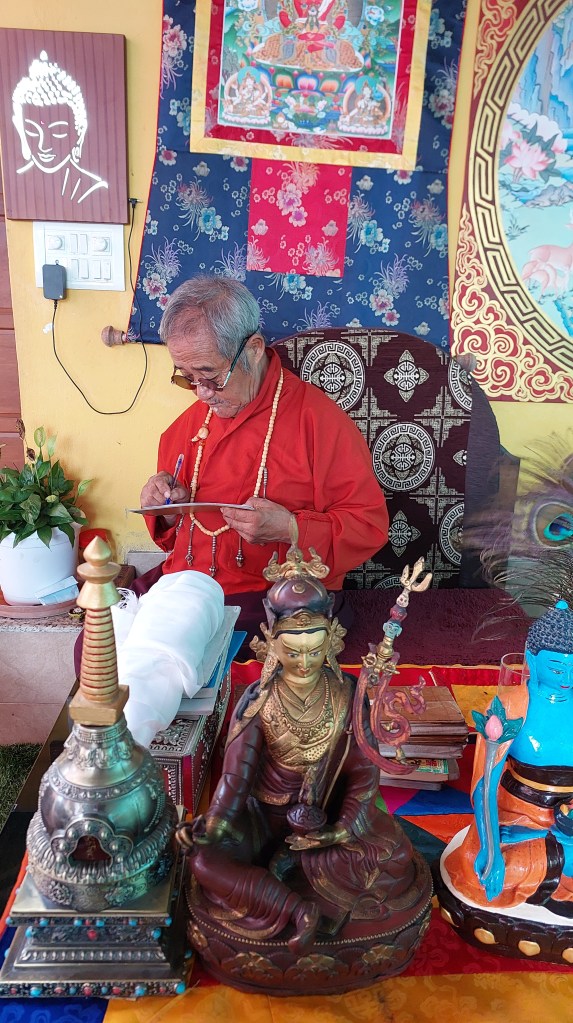
This gesture was inspired by my recent visit to my family lama, Rangshikhar Rimpoche, who impressed on me the practice of loving-kindness (jampa) and compassion (nyingjey) as the supreme practice. This is of course not to discount the pilgrimages and monument buildings. It is just about finding the middle path.

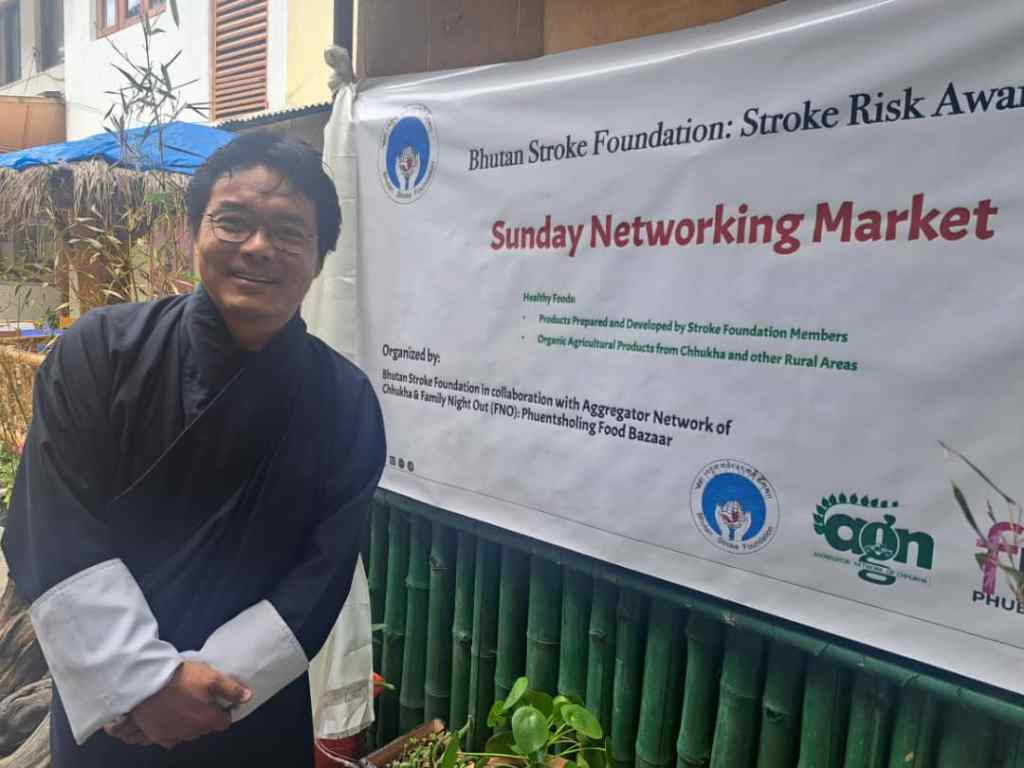
BSF Sunday Networking Market.

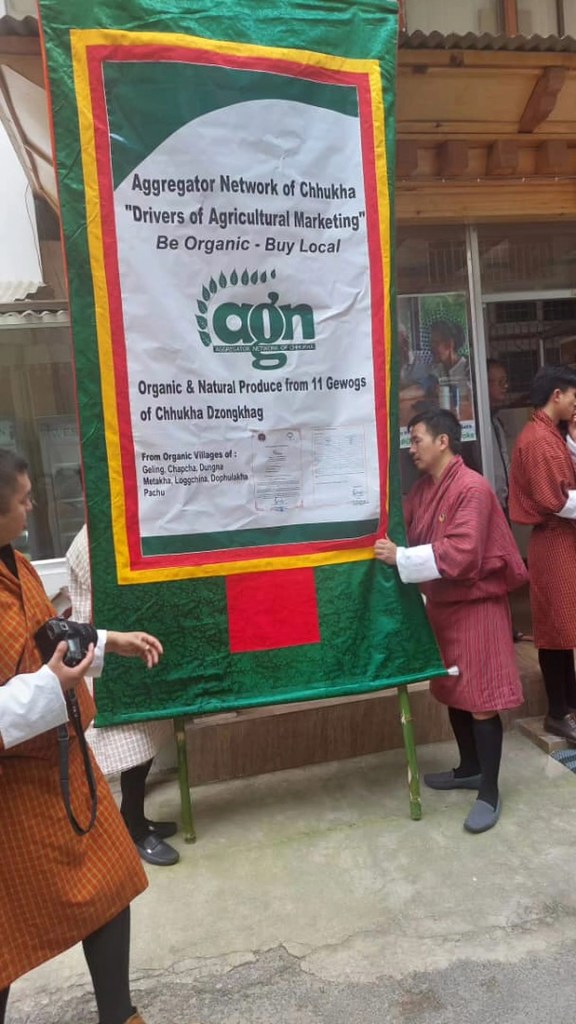
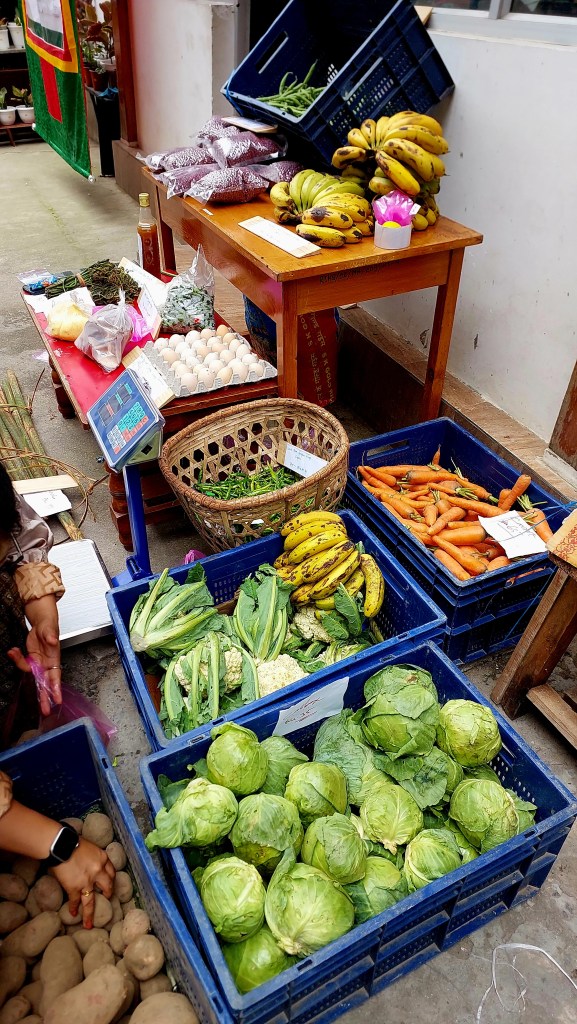
On this Day, we opened the first edition of the Sunday Networking Market – a weekly market of organic food, drinks, flowers and networking. This initiative is to help reintegrate the stroke patients into the mainstream economy. We also opened a cafe, run by recovering stroke patients.

Please show support every Sunday by visiting us at the BSF office, and buying the products. The vegetable and fruits are all sourced from villages in Chukha – spearheaded by Sangay Thinley, who works as Economic Development Officer with Chukha Dzongkhag.

May you all be blessed too with good health and happiness.

🙏🙏🙏

Compassion is the supreme practice

Compassion is the supreme practice, says Rangshikhar Rimpoche.

“Oh! It is my ancient jindhas (patron),” Rimpoche exclaims as soon as he gets closer to me and sees me properly. I prostrate three times as customary.

Rimpoche’s eye sight has been troubling him for a while now. He is 88 too but other than his eyes he looks well and healthy, which I point it out to him.

“Well, I have been around for a while and so, I think it is time that I linger among the clouds now. I have been living off people for far too long and I may get too indebted to you all. Karmically, that’s not good,” he jokes.

In between my life of travels and work – and work and travels, I try to make time to visit my family Lama in Gelephu – two or three times a year.

Popularly known as Rangshikhar Rimpoche (his full name is Togden Jigme Chogyal Rimpoche) he was born in Dremetse-Aja Nye region and comes from a bloodline of some of the greatest yogis and Buddhist masters. He was trained under his father, which included some 21 years of solitary retreats.

My family, from my father’s side, has been servant-supporters of his religious lineage. My great grand father served his grandfather. My grandfather served his father – Dekiling Rimpoche. My father served him to establish the seat in Rangshikhar. And mine is the fourth generation, and serving his son – the current Sey Gabu Rimpoche.

Because of this relation going back to several generations, he is always happy to have us, as much as we feel blessed to see him.

“Where are you coming from today? And take a seat,” he offers me a seat closer to him and at same level.

”Maybe in my next life if I am reborn as a lama I will take that seat,” I tell him.

“For this life, I am fine on the floor. But you know, I am trying my best to be reborn as a trulku”.

We both laugh. Regardless of how learned he is, he loves to crack jokes and laughs when he hears one. So, I always share my lighter side of life with him.

Tea arrives and as I am taking my first sip, Rimpoche continues the topic.

”You know, you don’t have to wait for your next life to do some serious spiritual practice. It is never late either to start getting deeper. For instance, Mipham Rimpoche was a common man till the age of 30. You can start now if you want,” Rimpoche makes a serious proposition.

”However,” he continues, “the most important practice is the practice of compassion and loving kindness. This is the best and quickest way towards attaining realisation. It is the supreme and the final target of all practices.”

🙏🙏🙏

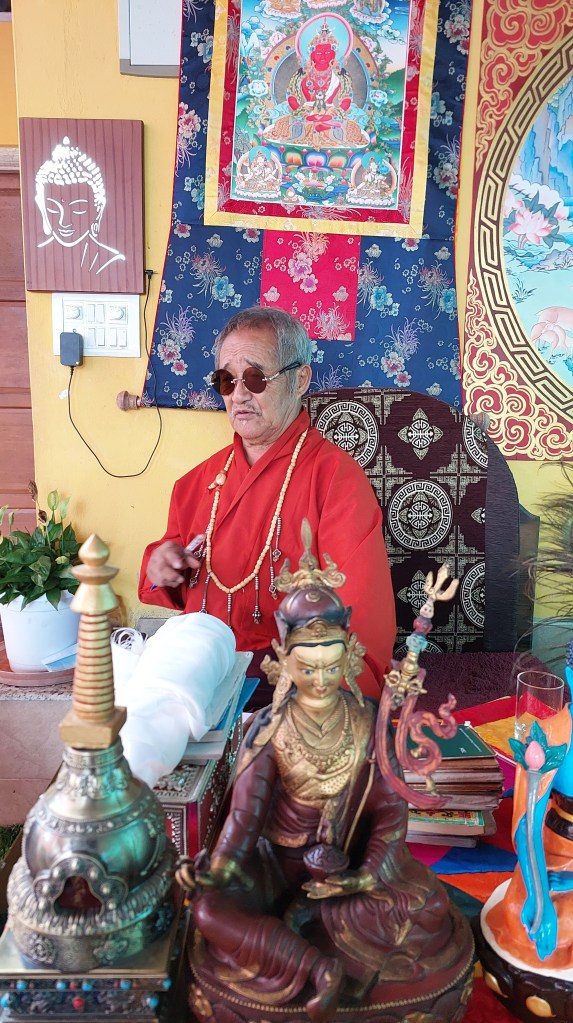
(In the picture Rimpoche is blessing my prayer beads and my gaw, which I carry everywhere.)

Why are lakes sacred in Bhutan?

Why are our lakes sacred, while lakes in other countries are not? (A question on my Instagram from a young Bhutanese friend)

Basic fact: All the lakes in all the countries on Earth were once deemed as sacred. Every native culture – American, Finnish, Asian, African, Polynesian etc. have viewed every aspect of nature as sacred. Then, science and rationalism took over the popular narrative towards the end of the 18th Century and everything that was not rational or logical were slammed as archaic, obsolete and irrelevant. Still, in many countries, including in some native reservations in the US, many lakes and water bodies are considered sacred. In a recent move, New Zealand just gave human status (with the same rights) to rivers and lakes.

Our belief in Bhutan:

As to why we in Bhutan still hold them as sacred, it has got to do more with Bonism than Buddhism. While Buddhism treats every sentient being – including nature and the super-natural, as sacred, it was the Bon masters who insisted that the Buddhists accept some of their sacred places and their deities within the Buddhist universe.

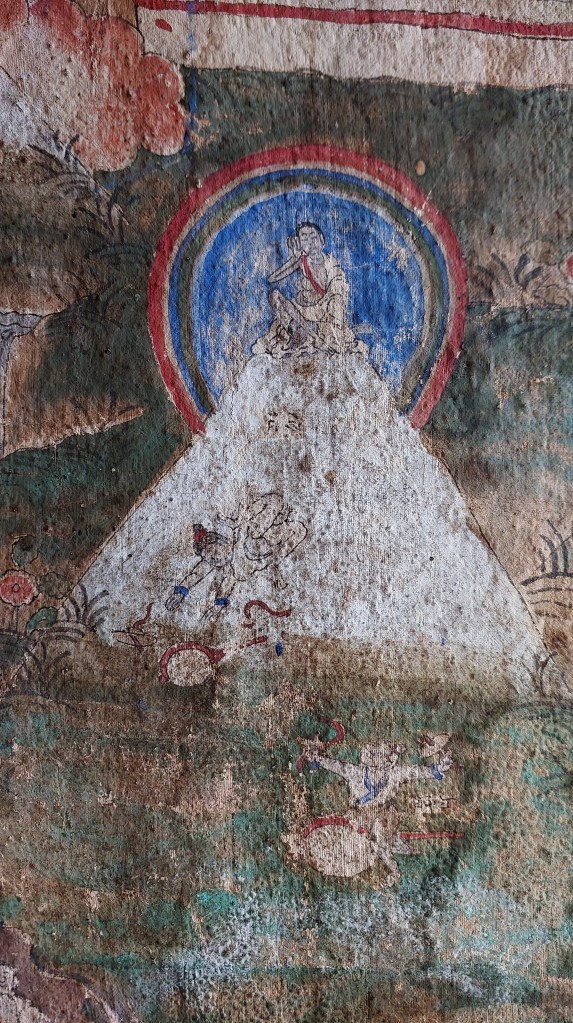
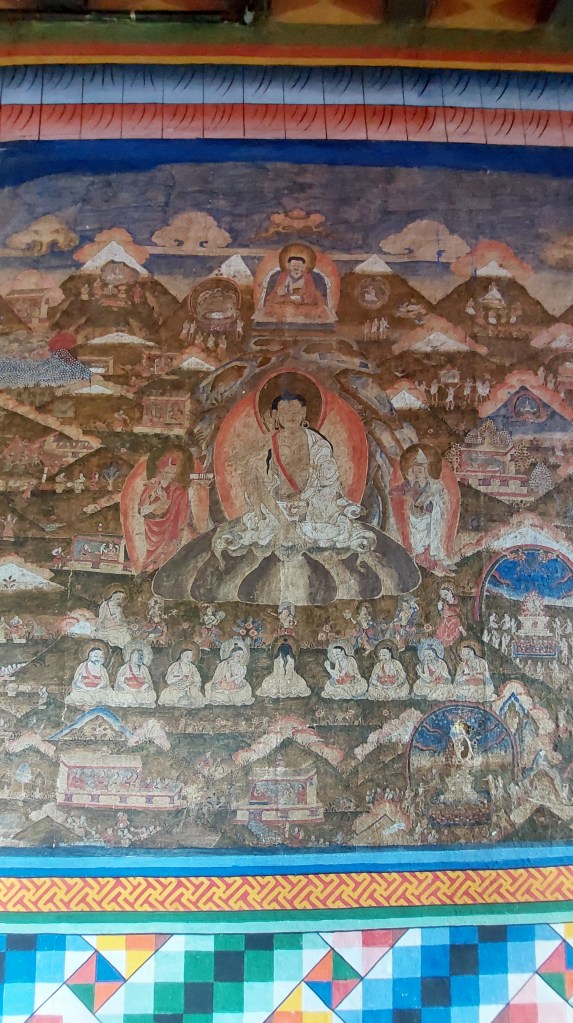
According to a popular legend, the final truce between the Bonpos and the Buddhists was made following the race to the top of Mt. Kailash between Bon Narochung and Jetsun Milarepa, in which the latter won*. The Buddhist demanded that the Bonpos accept the core Mahayana practice of Loving Kindness and Compassion and refrain from animal and human sacrifice, and the Bonpos required the Buddhists to regard all their sacred spots – mountain peaks, water bodies, creeks, soil, trees, etc. as sacred. Following the famous truce, the reformed Bon came to be known as Bon Kar (white Bon) and some of their belief systems and ritualistic practices were integrated in Vajrayana Buddhism.

There are deeper nuances on this topic and more to the story (and young readers are invited to delve further), but in brief it explains fairly well the Himalayan traditions of nature worship like treating a lake as sacred.

*In Nalanda Monastery in Punakha there is a mural painting depicting this legend. Check it out.

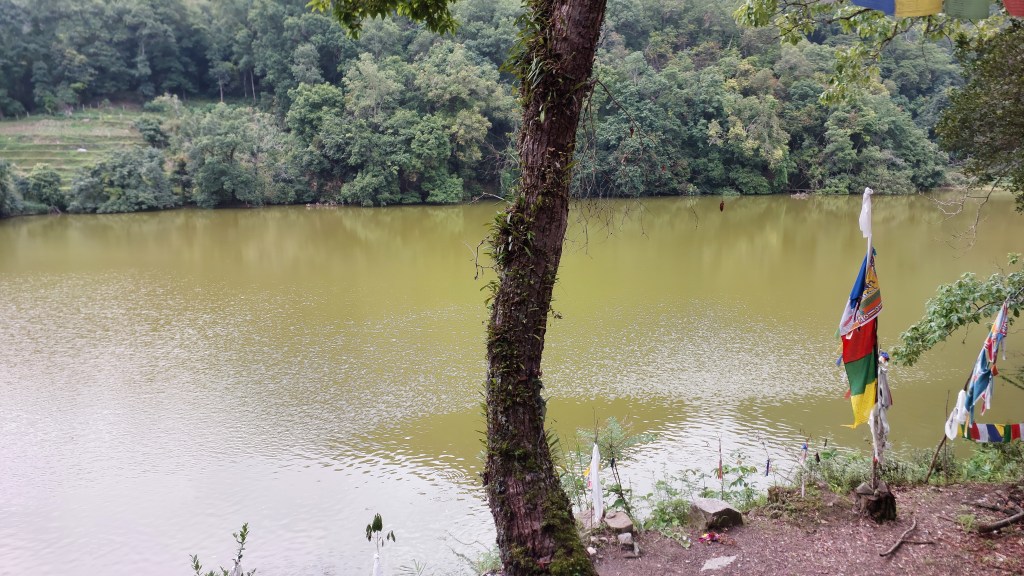
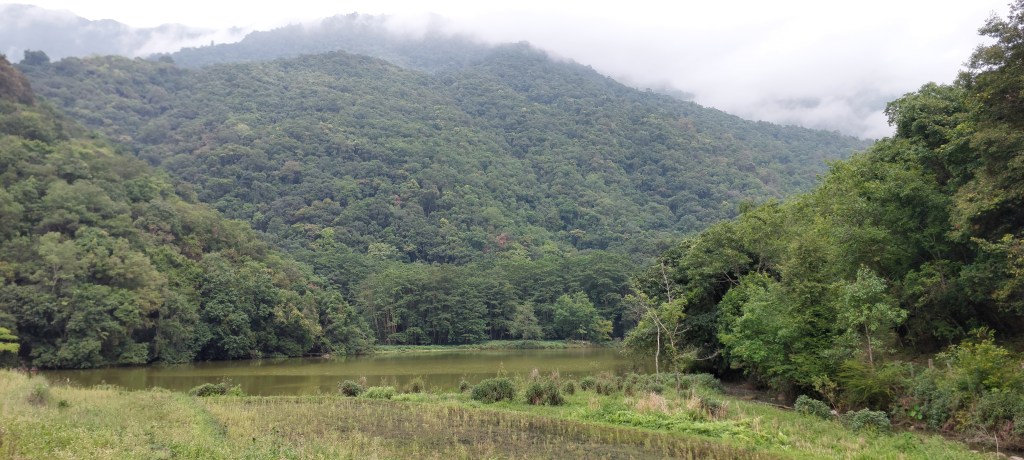
(Photo: Athang Tsho – the sacred lake in Bhutan.)

Zamling Chisang 2024

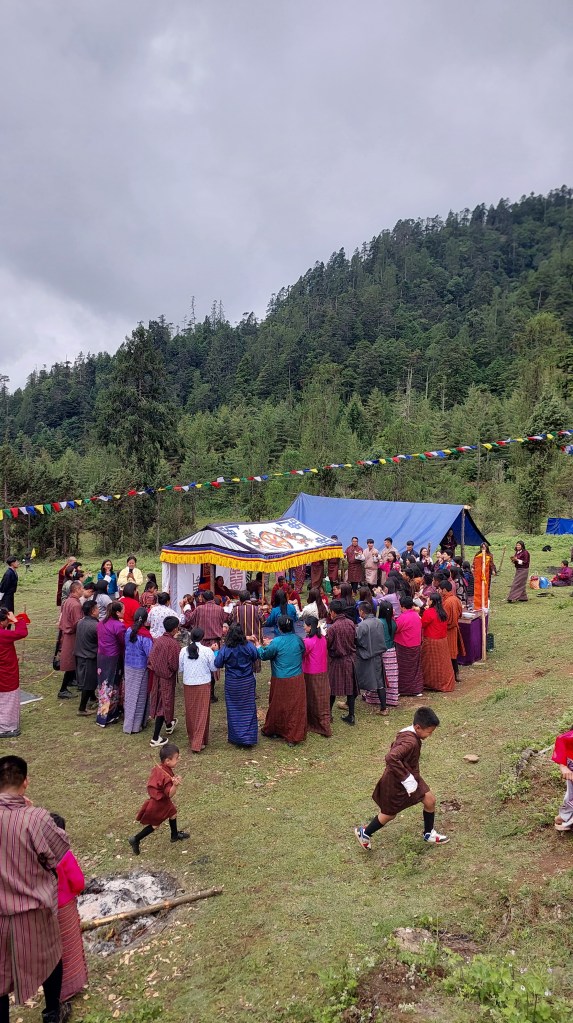
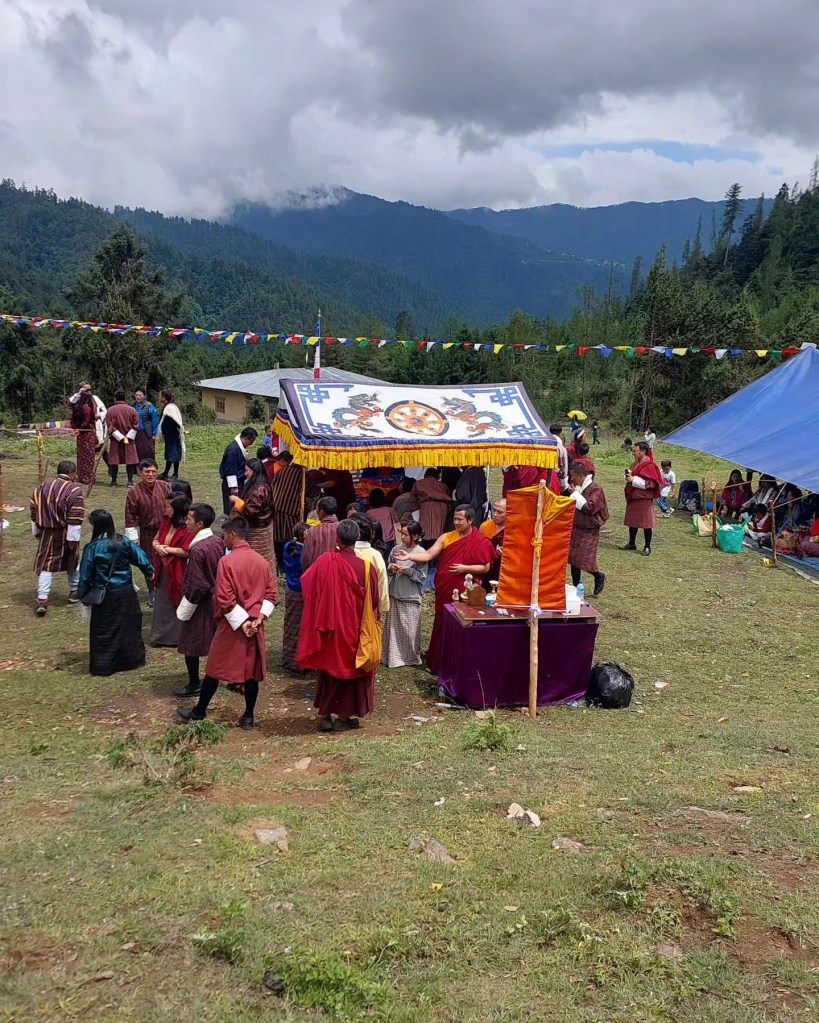
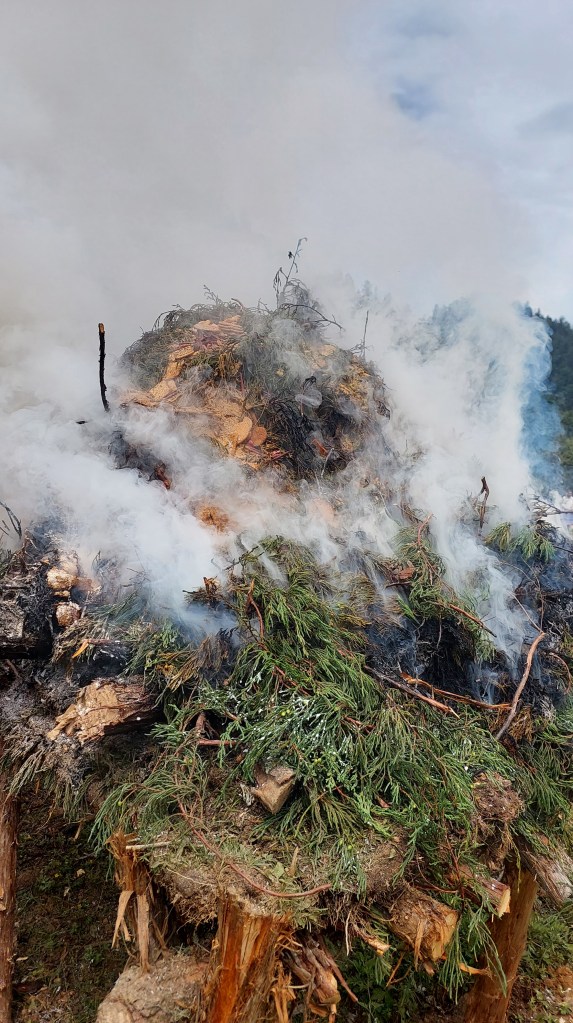
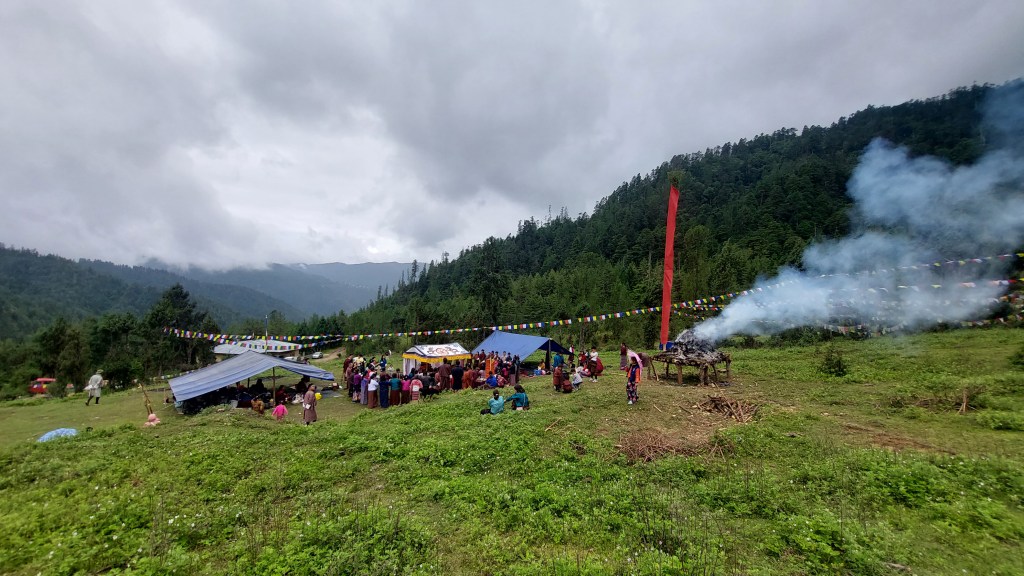
June 22, 2024, is the Zamling Chisang (literally meaning World Smoke-offering Day) – a universal day of prayers, which is an important day in the Vajrayana Byddhist calendar. It marks the day when Guru Padmasambhava completed the taming and liberation of all demonic forces opposing the construction of Samye monastery in Tibet. Thus, it falls on the Full Moon of the Trelda month (Guru’s month) in the lunar calendar.

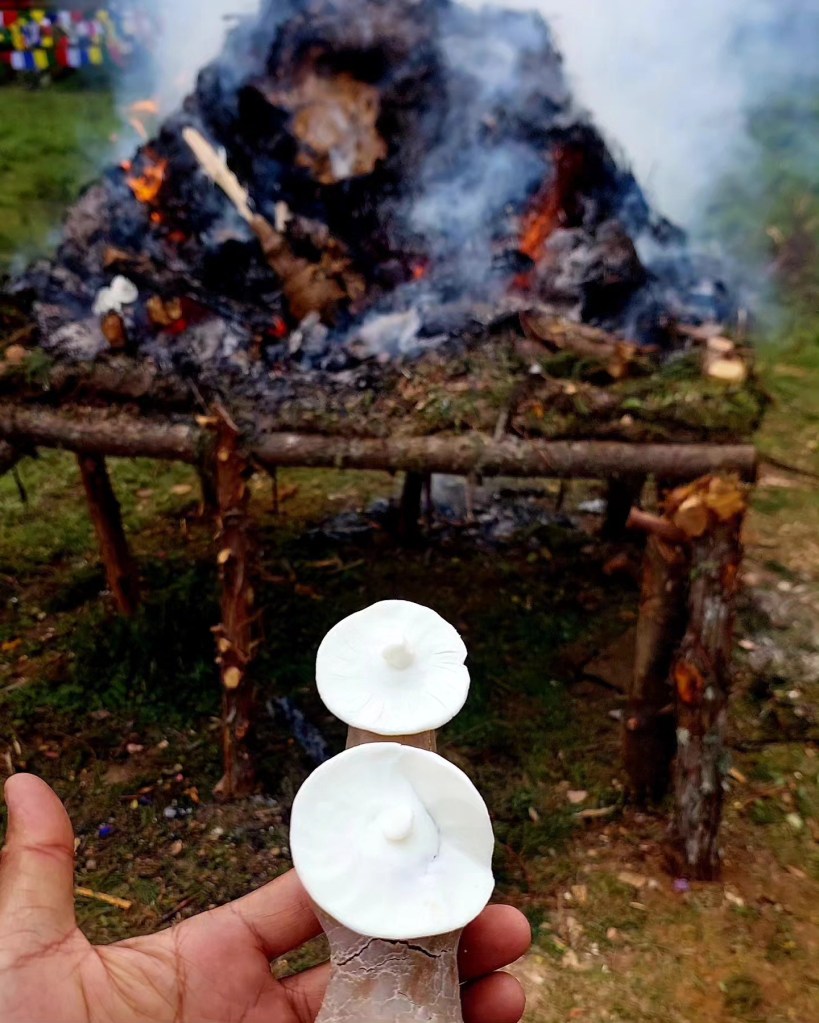
In most Vajrayana schools, the day is marked as a day of purification of mind, body, and speech, which is celebrated by putting up colourful prayer flags, and large bonfires for incense offerings as a gratitude to the Four elements of nature and to all the sentient beings of the six realms.

As is with all Buddhist practices, the day is also about the inner contemplation where “taming the demon” could also mean calming of your restless “mind” and your inner demons, which you may be struggling against. Either way, it is a day to contemplate, and celebrate.

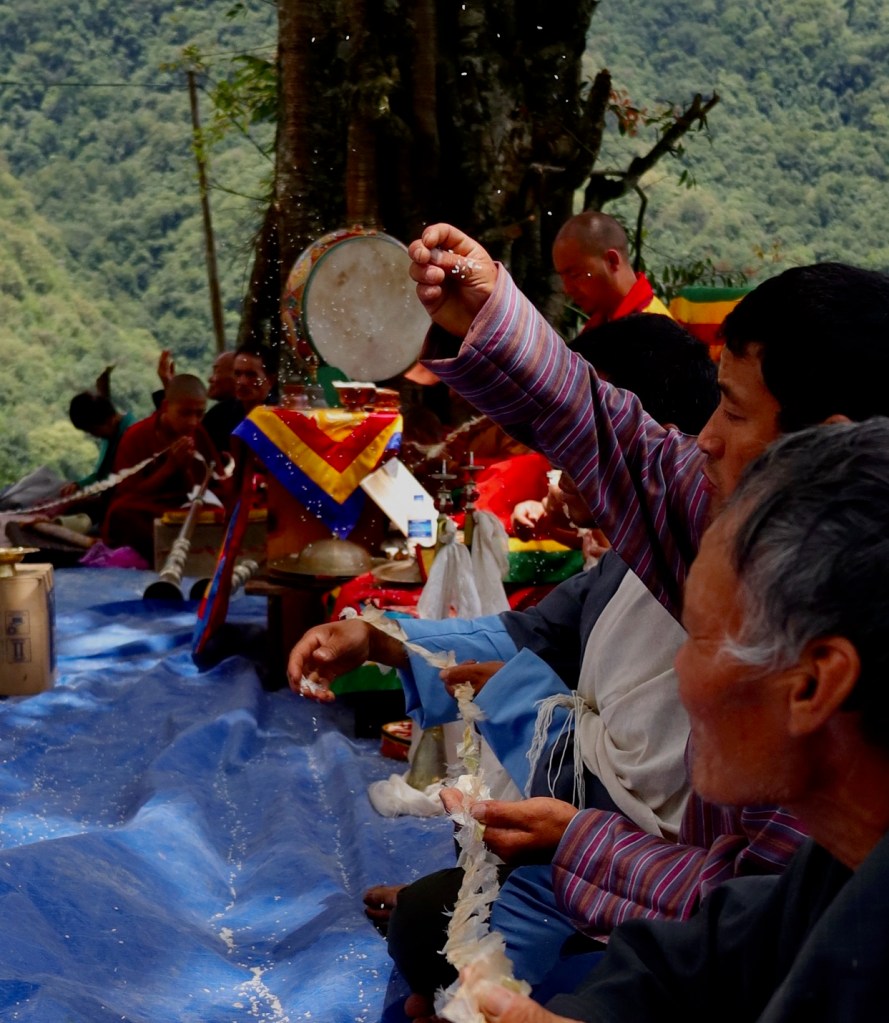
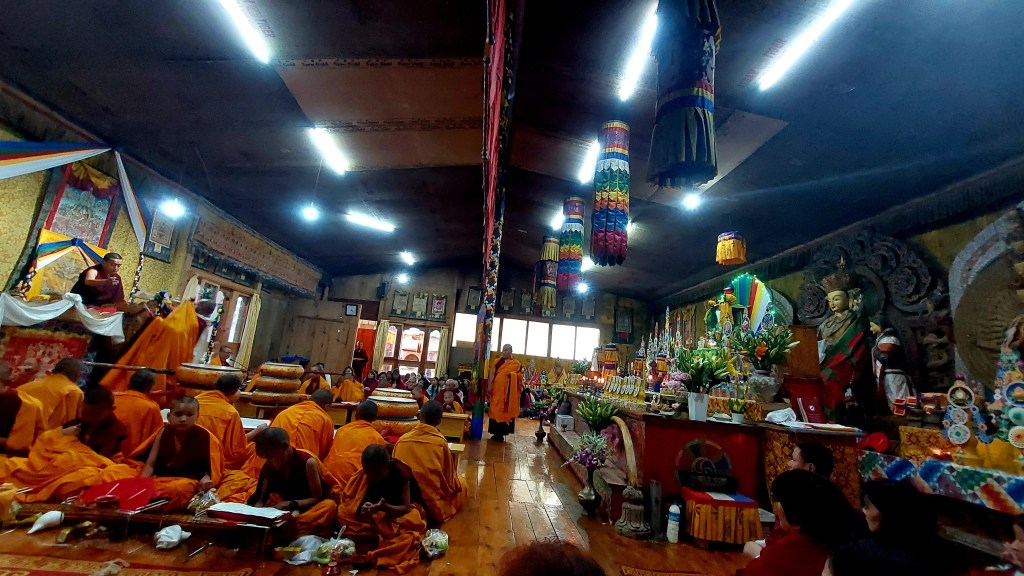
On this auspicious day, I am blessed to participate in the Riwo Sangchoe organise by members of Dorje Phagmo Foundation.

Riwo Sangchoe

Riwo Sangchoe (Dz. རི་བོ་བསང་མཆོད་), literally meaning “Mountain Smoke Offering”, is a popular practice of offering sang (incense and smoke) to the universe.

Among various Riwo Sangchoe that were instituted by various masters over the ages, the one discovered as terma by terton Lhatsuen Namkhai Jigme (1597-1653) is the most popular. It was extracted from Lhari Yosel Nyingpo in Sikkim.

The terma which is referred to as Rigzin Sokdrup (Accomplishing the Vidyadharas’ Life-Force) was later condensed by Dudjom Jigdrel Yeshe Dorje Rimpoche (1904-1987) who was popularly known as Dudjom Rimpoche – one of the greatest yogis of our time. This is one that is practiced today in Bhutan.

The overall purpose of Riwo Sangchoe is to achieve the perfection of wisdom. On a practical side it is believed that the blessings of Riwo Sangchoe has a dual purpose of Realisation through giving, and Purification from obstructions. The obstacles can come in every form – health issues, relationships, loss of property or reputation, etc.

The practice has the potential to also help beings of all the Six Realms and hence it is a very popular practice in Vajrayana Buddhism.

Does your prayer matter?

Finally, there is a myth that only lamas and rimpoche can help the sentient beings. This is furthest from the truth especially as Mahayana Buddhist. What is important is one’s intention and thought. Even ordinary people with right intention can benefit others by participating and through offering moelam and prayers. Every person has the agency.

As you read this and see the pictures from today’s event from across the Buddhist world, take a moment to offer prayers and compassion to all sentient beings – and especially for those whose lives are not the same like ours.

For those struggling to pray or have positive thoughts here is a para from the Riwo Sangchoe ceremony.

རྒྱལ་བ་མཆོད་པས་མཉེས་གྱུར་ཅིག །
May all the buddhas be pleased with this offering!

དམ་ཅན་ཐུགས་དམ་སྐོང་གྱུར་ཅིག །
May the solemn promise of the protectors be fulfilled!

རིགས་དྲུག་འདོད་པ་ཚིམས་གྱུར་ཅིག །
May the wishes of the six classes of beings be satisfied!

ལན་ཆགས་ཤ་མཁོན་སྦྱང་གྱུར་ཅིག །
May the enmity of karmic debtors be assuaged!

ཚོགས་གཉིས་ཡོངས་སུ་རྫོགས་གྱུར་ཅིག །
May we complete the accumulation of merit and wisdom!

སྒྲིབ་གཉིས་བག་ཆགས་དག་གྱུར་ཅིག །
May we purify cognitive and emotional defilements, and karmic traces!

དམ་པ་སྐུ་གཉིས་ཐོབ་གྱུར་ཅིག །
May we attain the dharmakāya and rūpakāya, for the benefit of self and others!

🙏🙏🙏

The Treasure of Neyphu


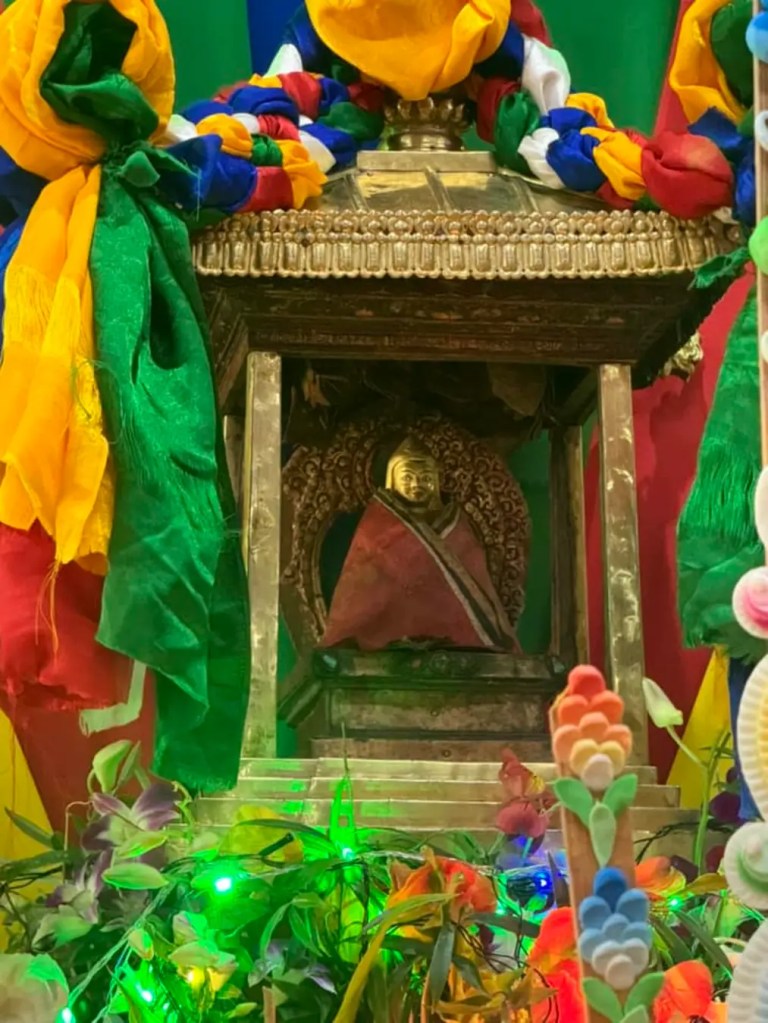
I felt really blessed to be able to see for the first time a Guru Kuthsab. This is one of the Five-Envoy-Statues known as kutshab (སྐུ་ཚབ་), which, according to the scriptures, were commissioned by Guru Padmasmbhava before he left the human world. Kutsab means “physical representative” and the sight of it is believed to be like seeing Guru Rimpoche in person.

This statue, probably the only one in Bhutan (besides the one held by Dzongsar Jamyang Khyentse Rimpoche), is in the possession of, and the main nangten of Neyphu Gonpa. It was on its annual display today as per the tradition – on the Birth Anniversary of Guru Padmasambhava.

A popular belief within the Tibetan Buddhism is that in the Eighth Century, when Guru Rinpoche was leaving for the southwestern land of the Rakshas, King Muthri Tsenpo (reign 797-799) of Tibet requested Guru to leave something in the human world to represent him. It is said that Guru instructed Acharya Shantarakshita to make five statues with five different costumes – of Zahor, Nepal, India, Tibet and China. The statues were then buried into the earth as termas, to be revealed by tertons at a later period.

The one in Neyphu is with the costume from China. It was retrieved from the large Jowo Shakyamuni statue at Kyichu temple in Paro in the 16th Century. Terton Pemalingpa (1450-1521) is believed to have seen it in his vision, and revealed it to his son, Thugsey Dawa Gyeltshen, who then later instructed Terton Ngawang Drakpa (1525-1599) to retrieve it.

Terton Ngawang Drakpa is the founder-lama of Neyphu Gonpa. He is considered as the first Neyphu trulku.

For all those who could not make it, I share it with a prayer for all sentient beings.

I spent the whole day and yes, it feels very powerful to be in its presence. I prayed that as long as I live I will make at least one visit every year, if not more.

P.S – A more detailed account of Neyphu Gonpa, and Guru Kutsab is in this blog post of mine.

https://dorji-wangchuk.com/2023/06/04/the-wish-granting-tree-and-guru-kutsab-of-neyphu-gonpa/

Humanity is still alive

“You save one man. You save mankind entire” (Jewish proverb).

Anyone who saw the film, The Schindlers List, would remember this line. This beautiful quote has been my inspiration when I feel overwhelmed by all the misery and tragedies, and when we feel helpless. The quote tells us that we don’t need to save the world if it is not possible. Or take on all the problems and issues. But we can solve one problem for one person. That way we save the sense of humanity.

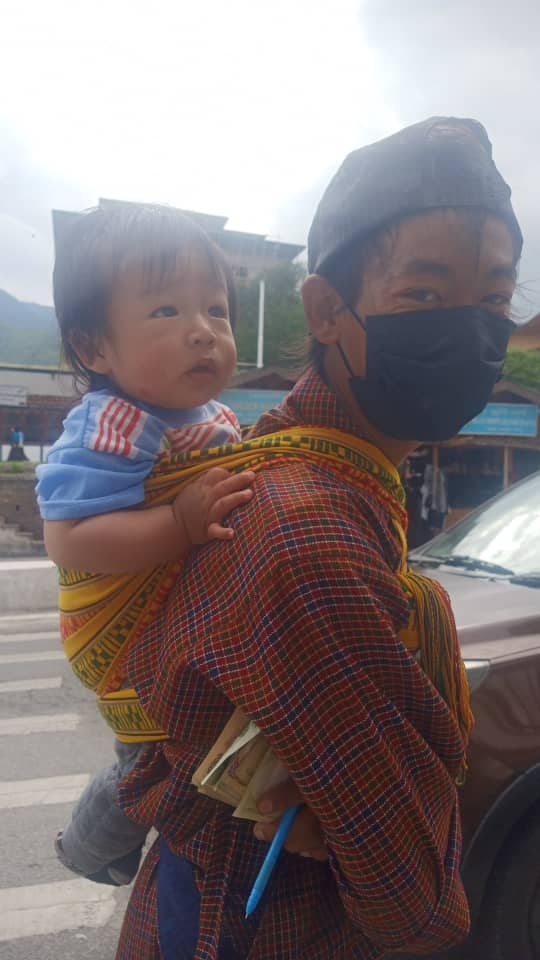
Today we celebrate the collective compassion we exhibited after we all saw a harrowing picture of this man carrying his child as he ran up and down the street to do his work. Our hearts simply melted as the scorching Sun was roasting both of them.

The video and the subsequent posts also caught the attention of the members of the Bhutan Early Childhood Education and Development Association – an association of private day-care centers. They in turn circulated the case of this family among their members and just EVERY member offered to take in the child (in the day care) ON SCHOLARSHIP, so that the father and the mother can go to work in peace, while the child is taken care. The association jointly decided that child will be admitted to the nearest private ECCD near Pamtsho, where the couple lives.

More help for the young family is forthcoming from what I hear. It is simply heartwarming to see that compassion is still alive – here among the Bhutanese. 🥳🥳🥳

Lastly, a shout-out of appreciation to my young friend Tertoens『MJ』gaming for the heart-wrenching video (this is the power of media). Please keep going. You don’t need billions to help the poor. You just need a good heart and empathy. Plus you need a phone, which everyone has these days.

And thank you, the ECCD association led by Jamtsho Yld for your offer.
😍😍😍

Don’t let her death go in vain.

News reports say that the 22-year old woman – that too a desuup, died after she had to jump out of a blazing building. This is so unfortunate. She is somebody’s daughter, sister, wife or a friend.

Such deaths are also so unnecessary because they are totally preventable. I would request the Hon’ble Cabinet members, or the Thimphu Thromde to consider passing, or strengthening, a building code that requires all buildings above three-storied or more to install fire exits. It would help prevent such tragedies in future. This is a rule that is strictly followed in other countries.   

Tragedies happen but we must learn from them. These days it is neither too expensive nor sophisticated to build a spiral staircase made out of steel – projecting out of the building. Some buildings in Thimphu already have them. Likewise all public buildings – ESPECIALLY SCHOOLS must have emergency exits and regular fire drills.

It is also high time that Bhutan Electricity Authority and Bhutan Standards Bureau start certifying electrical products coming into the country. Sub-standard cables, power sockets and MCBs are sure to give in after a few years of service (my first degree is in electrical engineering). Plus electrification works should be done by certified technicians. 

Then there are other important suggestions, but just the above will go a long way in making our buildings safer.

Please pass the message, share or tag the relevant organisations and individuals. 

If you or your folks own any buildings consider making fire escapes for your own interests.

🙏🙏🙏

(Photo and source: The Bhutanese )

Why is Jaigaon booming?


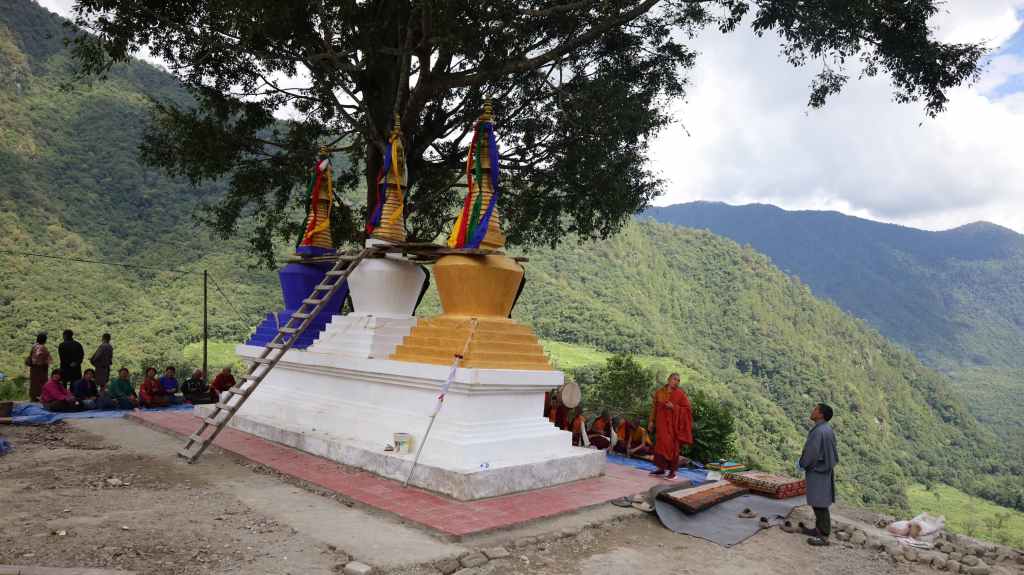
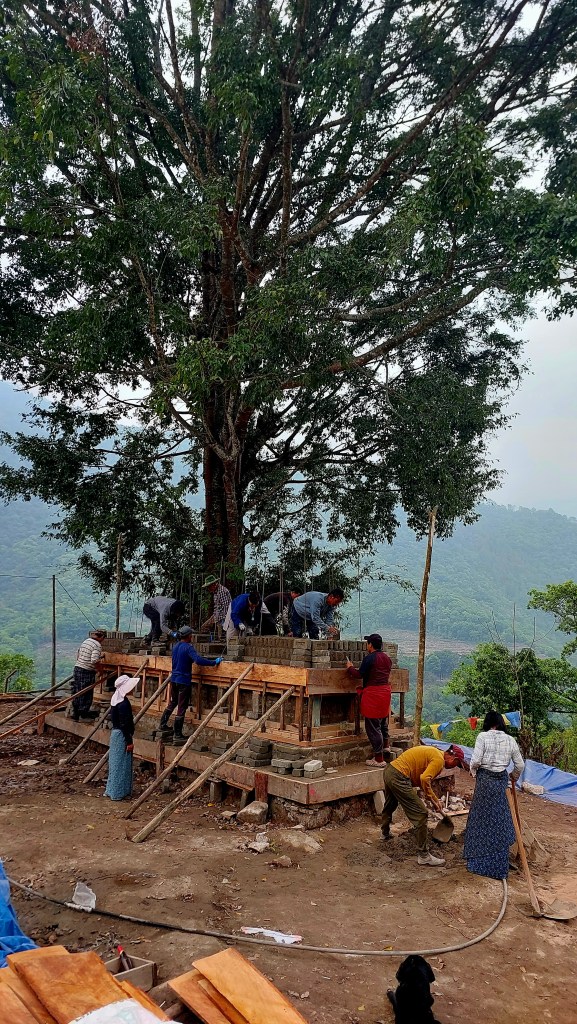
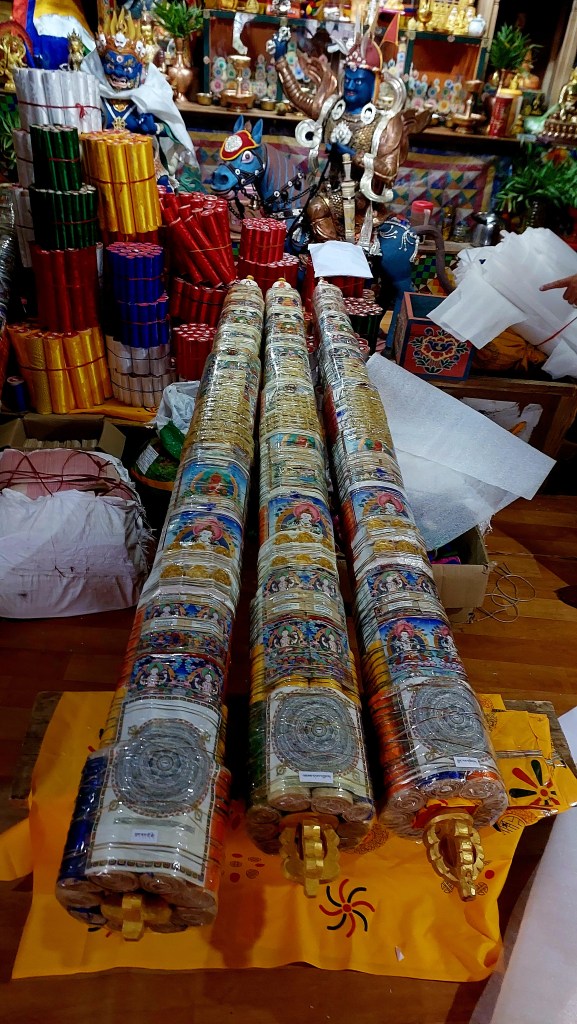
I made a day-trip to Jaigaon. It is an easy pleasant drive from Thimphu. I had gone there to find a silversmith who can do the zartsha (parasol) and gokyim (cornice) of the stupa. I need three sets each. I found one artisan in a village away from Jaigaon, who has agreed to do it for 50k a set.

Guess how much our people here in Thimphu were asking me? One was as high as 120k per set. Since I am almost the sole sponsor of the project, I had to hunt for some reasonable prices.

Now we know why businesses and the town of Jaigaon are booming while we continue to be in a state of slumber. We overcharge for everything in Bhutan. And I have no solutions to offer, or make any subjective comments, for this practice. It is a personal decision 😏😏😏

And coming to Jaigaon as a place, honestly, I am at home in these plains and tea gardens of Imdia – having grown up in Phuntsholing (my father was a bus driver there) – and having seen Jaigaon sprout out of a sleepy village with a border gate and three Indian policemen – in the early 1970s.

I saw the iconic Bhutan Gate being built in 1973-74. And as a student in Kharbandi, we stood in line to see off, and recieve, His Majesty the Fourth King, many times. There was no Druk Air then. So, I have nothing but fond memories of the area to be able to just jump for any small reason to go there.

As a bonus, I got the hilux-cover repaired for Nu. 50 😁😁😁

Triviality – I came across several private clinics run by Bhutanese medical doctors, and doctors who worked in Bhutan for many years. Another reason why Bhutanese folk to Jaigaon.


The Long Road Ahead

My earlier post on the launch of BBS TV (Silver Jubilee in Silence) drew lots of engagement. Thank you all for the kind words.

I hope the article inspires the current generation in-charge and leaves a legacy and makes a difference in the lives of our fellow Bhutanese or another human being (irrespective of race, religion or nationality). We have done our part.

For those in the government, the post-democracy era is harder to do your jobs. I know that. With the intention to put check-and-balance among institutions in a democratic governance system, we seem to have unwittingly put up some seemingly unsurmountable walls. I understand. But they were all done with good intents as the country prepared for the 2008. Few can fanthom things that didn’t happen. And it is possible that many worse things were avoided because of these guard rails.

From my own experience if you do your job and do it with clear conscience, you will come out clean. I had 141 audit memos for the BBS TV project. Over time I cleared them all – no malice, or any grudge whatsoever to anyone. 25 years later, when you look back, you just laugh at them. I still meet the auditors who grilled me and we have some tea together (I don’t drink) and relish the past. We respect each other. Everyone was doing their job. There was nothing personal.

For those in commerce or social work of some sort, find your niche, stay put, and innovate. You don’t have to be in the government to bring a difference in others. Besides, you can do anything if you do it well with passion and with purpose. While many seem to blame everything on the State or on the lack of market, firms in Jaigaon and Siliguri, and even universities in Canada and Australia are targeting the Bhutanese market.

Do it for yourself.

The bottom line is, if you want to do, do it because you feel you owe it to the greater good, but not expecting a reward or recognition everytime you move your finger. If you do that, as you grow older your conscience will give you a great sense of fulfilment. The deep satisfaction will come from inside of you – and not from the outside.

Bringing TV to Bhutan was not easy at all. There was a lot of resistance – all in good faith, I guess. There were lots of naysayers, and interestingly, and annoyingly, lots of people who were supposed to be in, but were standing on the sideline and passing comments. These things are all normal everywhere, when you do something new or bold. When such things happen, you just ask a practical or philosophical question, “Who am I doing for?” You will feel energised. Otherwise everyone and everything will try stop you. This also goes for people who have gone back to university and are struggling to complete their masters or the PhD.

Changing anything anywhere is difficult. It is not just in Bhutan. If you are living and working abroad, you will know. A Bhutanese college mate of mine who lives in Italy is not able to paint his gate because of local municipal rules. In fact, sometimes I feel we are much better off here in Bhutan.

There are new things to do.

There is also a notion that there is no new things to do and that everything has been done by the previous generation. Nothing is further than the truth and reality.

There are many new things to do in the country. We need traffic lights, we need better road signage, we need street names, postal codes and zip code. Who has not gone round and round looking for someone’s house? Isn’t this ridiculous?

We can privatise lots of counter services like licensing, permits, land records, vehicle registrations, and even management of public infrastructures like roads, bridges, museums, airports, etc. The National Land Commission has appointed authorised agencies to do land surveys for property divisions. The final issuing authority should be with the government but the process can be privatised. Letting private sector to offer such services would create jobs while the government can focus on regulation, policy-making and macroeconomic planning – and not selling chocolates or entry tickets.

Services like taxis can be improved, mass public transport to be introduced, dental works to be privatised. Plots along highways can be leased to young Desuups to start road amenities such as cafes, restrooms, campsites, tyre repairs, etc. Then, of course, there is my favourite dream – a rail line along Wangchu river to connect Thimphu and Paro. Wouldn’t this be wonderful? It would hardly be 70km to Phuntsholing. Absolutely do-able.

Long way to go.

We have come a long way, as a nation. We still have a long way to go. While there are scepticisms and negativities all around these days two things that we should always keep in mind is that, first, nothing lasts. Second, we need to take control of our own country and destiny. No foreigners will come to our rescue if things go to the dogs. Covid period was the perfect example.

We need to right the wrong ourselves. And not walk away, or stay on the sideline.

With a little more love among ourselves, with a little trust for each other, I know we can get there.
露‍♀️⛷️露‍♂️‍♂️ ✌️

Silver Jubilee in Silence.

Twenty five years ago yesterday (June 2), TV finally came to Bhutan. It was launched as one of the Silver Jubilee celebrations of His Majesty the Fourth Druk Gyalpo. While there were many great things done as a part of the celebration, including the introduction of the Internet on June 1, the arrival of television to Bhutan was the much-awaited moment for just everyone in the country for various reasons. Someday, if I feel, I will detail them out.

As many would know, I led that historic project, which I am still immensely grateful for the opportunity of a lifetime – something that I am still proud of and will remember it forever. I recall one morning in January of 1999 when the late Lyonpo Ugyen Tshering, who was then the Cabinet Secretary, called me and another colleague of mine, also Ugyen Tshering (who later became a parliamentarian) and conveyed to us the Royal Assent. In his simple misdemeanour he told us, “Even if you have to take the Druk Air aircraft to get it done, do it! Now it is a royal command.”

Running up to June 2, 1999, there are a few cute little details, and a secret, that I want to share here today. More in future.

The TV project, while it was proposed for months preceding to 1999, was given the final green light only 4 months before the actual launch date. So, it felt quite impossible to build a brand new TV channel in four months. When I started enquiring with the companies around the world for the essential equipment everyone just declined. One even told me that I was crazy. I was, actually. However, a French company agreed and I flew over to Paris to check the company. The deal was done.

In telecommunication engineering we also have something called redundancy – meaning we cannot depend on one set of equipment, since we are dealing with the public service. We need a back-up. And so, since it was impossible to get a second transmitter within that time period I stopped over in New Delhi and I requested my good friend, RK Gupta, who was then the Chief Engineer of Doordarshan to lend me a used transmitter. RK Gupta (he used to refer to me as “my Son”) sent a full set of equipment – all packed in three jumbo trucks from his branch office in Lucknow. Fortunately, I later realised that I had made this personal request, because the main transmitter from Paris came only on May 30th evening with only 60 hours to go on-air. We were literally counting hours and minutes, sleeping in tents at Sangaygang to get the job done and going home only for quick showers.

While my team was unpacking the main transmitter I immediately assembled the back-up station sent by Doordrshan and then got it working. This took away a lot of pressure from me. It was also because I was the only TV engineer back then. My team had not even seen what the TV test signal looked like before that. So I felt the whole national TV project on my shoulder.

June 2 came and the celebration kicked off in Changlingmithang and, at Sangaygang, which overlooked the whole Thimphu city, we briefly stopped to listen to the Royal Address. When HM made a mention of the introduction of TV, I was super proud, but deep inside I was still grappling with the fact that we had still not fully tested the equipment. We were making the last few connections to put the full power from the main transmitter through the antenna. I kept that a secret, because if people knew we were not fully ready, it would have panicked everyone. In a crisis you just keep your cool. We achieved the full power without burning any equipment just two hours before the actual launch at 4pm.

People will remember that the first historic transmission came 20 minutes late, but that was due to another last moment issue we had – and it was not from the technical side, although it is normal to hear the announcers say it is.

All in all, 25 years later here we are. Was it good, or bad for the country that we brought the TV? All I can say is, it was inevitable. In the years and months running up to 1999, I faced the Planning Commission and the powerful Cabinet (ministers were like gods those days) and I remember sternly repeating this same message.

1999 and beyond

BBS TV was not just about BBS. I can proudly say that the BBS TV, thanks to a technology called the DVCAM that we chose from several others, later gave birth to what we now have as the Bhutanese film industry. Norling and Tashi Nyencha were the first to jump in. DVCAM was a digital technology that made equipment affordable to small markets with shoe-string budgets. I designed a whole eco-system based on DVCAM, which was later adopted in many small Asian and African countries, for which I was conferred the Asia-Pacific Engineering Award in 2000 in Manila.

More than the award, these days I feel a deep sense of satisfaction seeing young artists and actors and our filmmakers – and thousands of jobs created by that single decision I made back then.

On the broader side, I would like to believe that BBS TV played a huge role, and continues to do, in our collective journey as a nation towards democracy and public discourse – and everything that came out of it. Both BBS and our Film Industry played a vital role in Dzongkha promotion and pop culture, which are strongly elements of national sovereignty. We reduced our dependence on foreign culture and entertainment.

Other than that, as I said, I only feel gratitude for the opportunity bestowed on me from the high above – for the trust and confidence in a 30-year old man – who was almost a one-man army. I felt, and I still feel that I owe it to my country (and not the other way around) for feeding me, clothing me and sending me for higher studies – and making me who I am today. My parents on their own, would never have afforded anything close if I was left to them.

Yesterday as I drove to Jaigaon and back my memories took me to all the mountains and peaks on Dagala, Takti, Ganglakha, Saureni and the southern foothills – among leeches and mosquitoes and occasional snows, to search for the perfect spot to place a TV & radio relay stations to serve our people better.

Wishing everyone a nice week of contemplation as we head for the last few days of the holy month.
🙏🙏🙏

Picture: The Guardian (newspaper), UK

Her Majesty Ashi Tshering Pem Wangchuck inaugurated Bhutan TV at 4pm on June 1999
Her Majesty Ashi Tshering Pem Wangchuck, Princess Chimi Yangzom Wangchuck and Ashi Sonam Choden visiting two days before the inauguration