Trust our own doctors

Earlier this year I had a mild discomfort in my upper abdomen that radiated to my back. I went to see Dr. Sonam Dukpa (at Menjong Diagnostic in Thimphu). He ran an ultrasound on me and found that I had a mild inflammation of my gallbladder. He packed me off with, “It happens. Nothing serious. No chilli or fats, lots of water and exercise. Come back only if you have fever. Not prescribing you anything.” Dr. Sonam often talks in phrases. I have known him for years. I went away little perplexed though. But I followed his advice. Drank lots of water (I still do), avoided chilli (I don’t eat meat) and, of course, walked for three full days – trekking to Athang Rukha.

A week later I happened to be in Bumthang where I took the opportunity to meet my family lama, Rangshikhar Rimpoche. In between talking about my siblings about who is where and how they were doing, I sought his advice; some divination to check if my life energy was running low. After going through several scriptures and his prayer beads he pronounced, “There is nothing bad happening to you. You will be alright from the 29th day of this month. Last year was astrologically a bad year for you. So, some residuals extending to few months this year,” he reassured me. He was as humourous as alwaus but he continued, “I think it is good that you fall sick sometimes because when you are healthy you forget your Lama, your family, your friends and, above all, to pray.” I burst out laughing. “Yes, Lama, you are absolutely right,” I replied, accepting it for it was true. I am bit careless.

Then a month later, transiting through Bangkok, I decided to see a doctor there. So I went to a hospital. I thought I might as well get a second opinion. The doctor there run the ultrasound and the blood test again. And found that my gallbladder was OK. Dr. Sonam Dukpa was right and so was my lama. The blood report, however, showed a slightly elevated bilirubin – indicating some problem with liver but not that high. Instead, he prescribed me some tablets to reduce my back pain – to be taken for 7 days.

60f7b546db2fb5deafb121636185f218

Few days later in Chiang Mai, over a breakfast, I was chatting with a German filmmaker and a friend of mine, on what we were working on – in terms of films and documentaries. He told me that he was doing something on the failure of allopathy. He went, “I don’t mean that western medicine is flawed but pharmaceutical companies are driven by profit thereby making people dependent on drugs they produce. They even have doctors, on their payroll, all over the world, prescribing medicines that we actually don’t need. We are getting poisoned legally. The world is sicker than ever. Did you ever ask why?”

“Wait!” I thought, “I have just been prescribed with some tablets in Bangkok.” While he was still going on with all the global pharmaceutical scams I ran a search engine on the medicine I had started taking. And Lord Google gave a shocking verdict. “Not approved for USA and Canada as extended use can cause cardiac arrest, heart disease and lever failure.” “What?” I thought, “The doctor who diagnosed that I had high bilirubin prescribed me that?” Bad news: I had already taken one pill. Good news: I had not taken the other 6. I dumped the $50 worth of medicines, the $150 in consultation fees into the garbage. I also realised that a strip of antibiotics that costs Nu. 40 in Bhutan costs around Nu. 400 in Thailand.

Having found my mini ‘enlightenment’ I started to be more regular with my 4 km daily jogging routine. The pain began to subside. As for my elevated bilirubin I emailed the medical report to Dr. Tshewang Dolkar (a traditional medicine practitioner based in New Delhi) who sent me some herbal medicines. I am alright now.

dococ
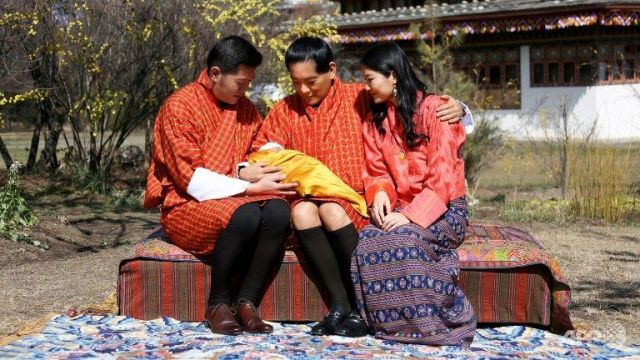
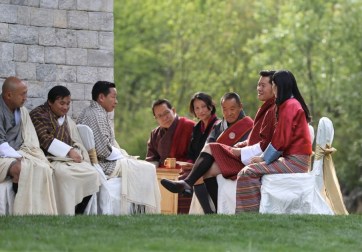
Role model – His Majesty with the medical team that assisted during the delivery of Gyalsay. While it is fashionable to fly to Bangkok, our prince was born on the Bhutanese soil

I am sharing this story because I know many people rush to Bangkok or Delhi on a slightest medical issue. Many pregnant women fly just to deliver babies. Well, just be careful. There is an industry out there. I don’t mean to generalise. In fact we had an excellent Thai doctor who attended to my wife when she had that head injury some years back.

You can avail of great diagnostic services that they offer. I still do my annual health check-up in Delhi or in Bangkok. What I am saying is to be careful with excessive, or unnecessary, use of pharmaceutical products – especially antibiotics and vitamins. Ask what you have been prescribed. Cross check with Dr. Google. Can you type? Of course, you can, right? Do it!

And trust our own doctors in Bhutan who are not profit driven. They might ignore you, frown at you or scold you. Just close your ears but take their good advices. I am also happy that the Health Ministry has cautioned doctors to be less generous with prescriptions. For certain ailments you can also try the traditional medicines hospital in every district. Get the best of both worlds – western and Bhutanese.

And finally, do not forget to say your little prayer every day – and move.

~~~~~~

doctors
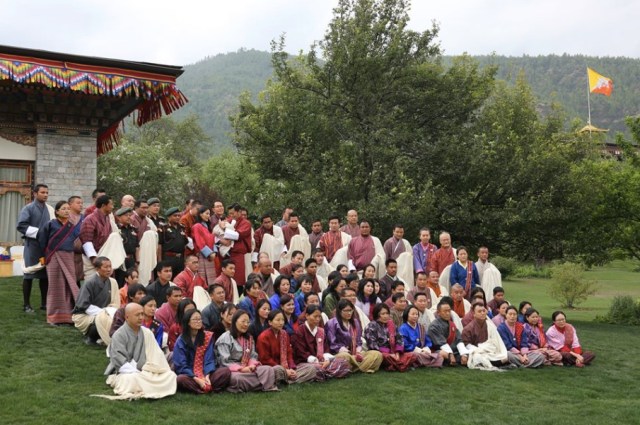
The Life Guards – His Majesty, Her Majesty and the new-born Crown Prince with the medical practitioners of Thimphu.

Letter from Japan

A simple gesture can move a nation.

On a bleak, chillingly cold and wet February day of 1989, in Tokyo, the Fourth King of Bhutan, His Majesty Jigme Singye Wangchuck, made a ‘small’ gesture at the State Funeral of the Showa Emperor of Japan. That one simple act of humility would define the relations between the two monarchies forever.

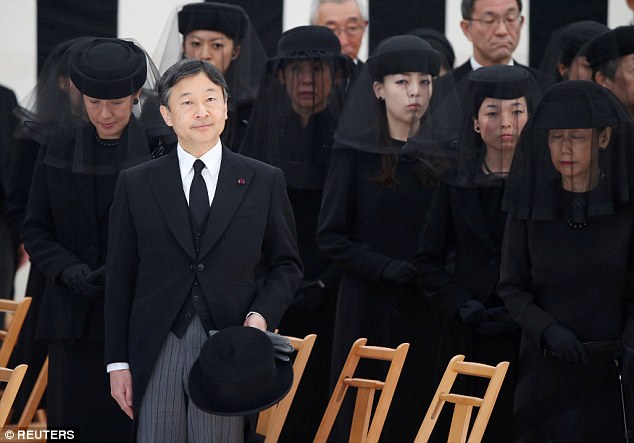
Almost without exception, on that day, the people of Japan were in mourning. At Shinjuku Gyoen, in an open pavilion, the heads of state, from superpowers to kings from small monarchies such as Bhutan, had gathered from around the globe for the State Funeral for Emperor Hirohito.

hqdefault

The regal State Funeral was held on a cold February day at the end of winter in Japan. Usually along the Pacific coast it is dry and sunny as spring replaced winter. But not that day. There was a misty, freezing and cold rain. It almost seemed as if the heavens were reflecting the grief of the Japanese people.

World leaders from 163 nations, some former foes of Japan from World War II, were officially and formally present or represented for the State Funeral of a political monarch of a geopolitical partner, the nation of Japan. US President George H Bush, French President Mitterrand, King Juan Carlos of Spain and others were there too – dressed in appropriate (for them) Eurocentric mourning black, and not the Japanese culturally correct mourning white or national garb traditional for mourning. They were also warmly insulated from the near freezing temperature in the two white tents.

His Majesty King Jigme Singye Wangchuck was there too, but in his traditional Bhutanese attire – the humble knee-length gho. He wore no gloves, no hat, no coat, no muffler or anything but a simple, honest mathra gho to survive the 3-hour ceremony.

3a0cc66500000578-0-image-a-1_1478288899934
Crown Prince Naruhito has high regard for HM. In 2003 I had a short audience with him and the first question he asked was, “How is HM?” (It was just before 2003 military operations)

As the ceremony progressed officials and leaders were called upon, one by one, to pay their respects towards the Showa Emperor’s casket. The VIPs got up, walked towards the imperial coffin, bowed to it – reluctantly in some cases – turned and bowed to acknowledge the new Emperor, Akihito. Then, their official duty done, most left in their limos.

His Majesty King Jigme Singye Wangchuck, the King of Bhutan, when his name was called, stood up, walked solemnly towards the imperial casket, stopped and bowed deeply and longer – showing his deep compassion for the man who had been the Emperor. He then turned and bowed respectfully to the heir to the Chrysanthemum Throne, the new Emperor Akihito.

Then instead of leaving, like many others, he returned to his seat on the icy stand. As other leaders paraded, bowed twice and departed, His Majesty sat there alone, and endured the biting cold, in dignified mourning – for hours until the ceremony ended.

bhutan-king
HM with Emperor Akihito

NHK TV, Japan’s national broadcaster televised the entire State Funeral live and telecast it globally. One of the NHK cameras, on several occasions, went back to the lone figure of His Majesty in the VIP seating. The announcers and the audience began asking, kare wa darey deska? (Who is he?) Soon they found out, and was introduced as the young King of Bhutan. His Majesty was just 34.
The TV commentator also added that the Bhutan King genuinely shared the grief of all Japanese people and is staying until the end of the ceremony. This simple genuine gesture raised the mood of a grief stricken nation and teary smiles. His Majesty became very popular, which in turn led to Japanese people knowing about Bhutan. He received wide press coverage. A newspaper almost covered a whole page with his portrait.

Almost three decades later, the Japanese people still talk with awe and fondness about that simple and genuine action of His Majesty the King. It generated immense goodwill, which continues to strengthen the bonds between the Japanese and Bhutanese people even today.

In 2006, His Majesty has gone on to make another ‘simple’ and yet profound gesture. He abdicated the Golden Throne of Bhutan in favour of His Majesty Jigme Khesar and also established democracy. Perhaps in the simple life that he now leads (he is seen cycling regularly, mingles with ordinary citizens and hitches rides on taxis) one can find an exemplary role model in the greatest monarch of our times. Truly the King of Simplicity – a real Pelden Drukpa.

And as His Majesty turned 60, an important age by Buddhist belief, one can only be proud of having been his subject and pray that the universe shower him with good health so that he continues to inspire, and cycle, and touch more lives and hearts – not just in Bhutan but in the whole world.

(A longer version of this article is published in Bodhisattva King – a book edited by Thierry Matthou and Tshering Tashi for the Sixtieth Birth Anniversary)

(In 1989 I was a student in Italy from where I watched the telecast ‘live’ – with my wife translating the running commentaries. In 2003 when I visited NHK I met one of the production directors of that historic telecast who shared the story to me)

~~~~~~~~~~~~~~~~~~~~~~~~~

hm-khasadrapchu
The early 2000s- In Khasadrapchu School, during a mid-term plan review visit, HM sat down on the dusty football field to have a conversation with the children. After the chat was over, HM asked a child to hold his hand and “help” him get up. The scene was so cute, with the kid struggling to pull HM up. (Notice that HM is drinking out of a plastic cup the same tea is also served to the kids)

Education? Know thy needs well

Three things worth considering in education.

In light of the current discussion (or re-discussion) on education – or reforms, curriculum overhauls, needs assessments, blueprints, master plans, parliamentary reviews – or whatever you may call it, here are my thoughts on the topic – having been deep in this field for a couple of years now.

  1. Know thy needs well – Do we really know what we need? Or at least what we want? One of the experiences from my travels is that when I don’t know what I need, I tend to over pack. It happened many times. You don’t know what you need. So fear overtakes you. Instead, when I came to Macau, although I was coming for an extended stay, I just had one medium-size

    20160921_121029
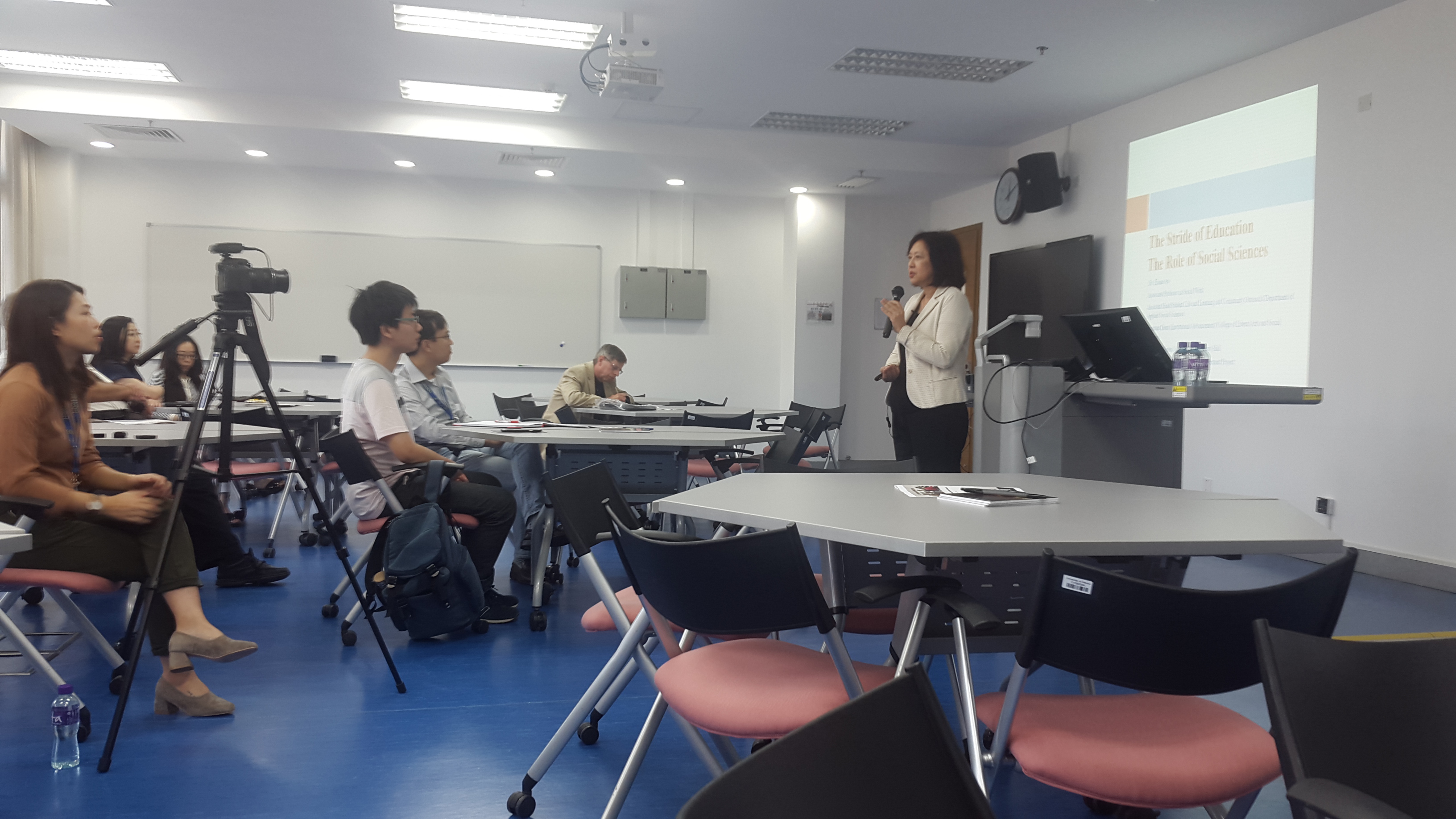
    “What is education?” asks Prof. Ni of City University of Hong Kong. They don’t seem to know and they keep looking for it. Hong Kong has world’s best. But in Bhutan everyone claims to have the “answer”. That maybe the tragedy.

    suitcase with a 20-piece clothing. It is because I have been here before and I knew what I needed. My serious doubt with our education system is that we really don’t know what we want – let alone know what we need. So we are over packing our curriculum with things that we may never use or with things that someone told us were necessary. It is better to teach less, and teach well, than to pump in contents and concepts that students will never grasp (which is actually the case) or would ever use. One visiting British maths teacher once told me, after going through our Class 9 text books, that she taught those stuff in Class XI in UK. Are we trying to beat the British?

    We saw NAPE being discarded, Shakespeare being thrown out – and then reinstated, REC being pushed around, CAPSS being transferred, relocated and renamed – and all the while trying to figure out if multi-grade classrooms were good or bad.

  2. Motivating the teachers – Many talks and discussions on education end up, as a cliché goes, as old wine in new bottle. Over the years we have seen master

    12715310_1075658979151087_1337287899695439967_n
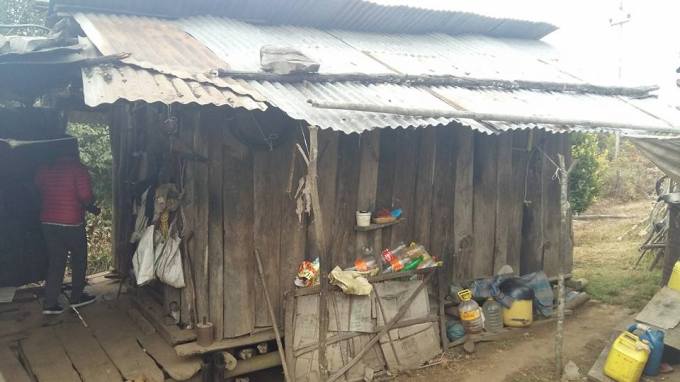
    Teachers in remote schools live in houses such as these. Not very inviting to be a teacher.

    plans being developed, policies being framed and reframed, curriculum overhauls being done, studies being conducted, surveys being carried out, blue prints being initiated. So much so that now there are no terminologies left to title any new initiatives or documents. However, all along we have also refused to take the bull by the horn – teachers’ motivation and quality. As long as teachers are treated at par with 9-to-5 civil servants, everyone will opt for the 9-to-5 life. And the longer we stay in that state of denial, the longer the top performers will continue to shy away from the noble profession – and nothing much will improve in our education system. We might get some temporary sparks but not long term solutions because whatever visions we have, plans we pursue or dreams we would like to achieve, ultimately it is the teachers who have to deliver the knowledge to students. A simple logic says good curriculum taught by bad or demotivated teachers will result in bad students. But a bad curriculum if given to a good teacher might produced good students. Ideally we should have an equation of good curriculum and good teachers.

    How to motivate the teachers? We could we start by building teachers’ quarters and by providing higher financial incentives – instead of erecting ceremonial gates and walls. His Majesty the Fourth King, whom we all boast as role model but only a few emulate, used to provide technical allowance to engineers (I was one) and one grade higher in civil service to doctors to entice Bhutanese students to take up these challenging professions. So all the toppers of my generation opted for medicines or engineering. Why is it so difficult to copy-paste that policy on the teaching profession, if getting good teachers is a challenge?

  3. Nothing wrong with our students – We, Bhutanese (my generation especially), think very low of our young people. We either underestimate them or suppress them – or both. We making sweeping statements like, ‘our children are spoilt’, ‘boys are criminals’, ‘girls are irresponsible’ and above all, students are dumb. They don’t know anything. Well, having moved from Sherubtse to Royal Thimphu College to University of Macau (that has top students from mainland China and many international students), I must proudly say that

    10648689_10154735566565153_2885719272636468032_o
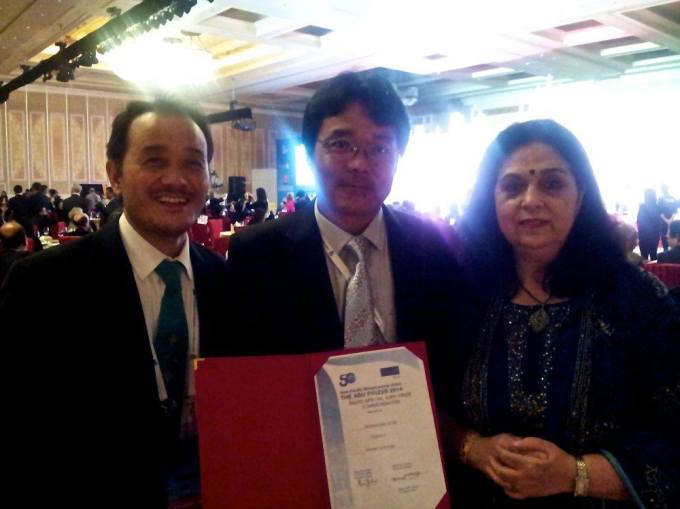
    A radio documentary by two of my students in Sherubtse picked up an international award in China in 2014. But it went unnoticed (photo – with the organisers). One of the students couldn’t even get a job in Bhutan.

    Bhutanese students are, by any measure, no less. I have read, assessed and graded test papers and assignments here and back home. I feel proud of what I actually used to read – especially in Sherubtse. An expatriate colleague who now works in the American University in UAE confirms this too. Given the right conditions our students can perform at par with anyone – and will make our country proud and a better place. In fact, one Australian diplomat once told me (and this was also echoed by a Dutch professor) that they were very happy with Bhutanese whom they considered as top performers, hardworking, rarely creating problems and heading home when they are done with their studies.

    ~~~~~~~~

    I have also written on the same issue many years back. On my previous blog. http://dorjiwangchuk.blogspot.com/search?q=education

China: So Far So Near

20160929_203435
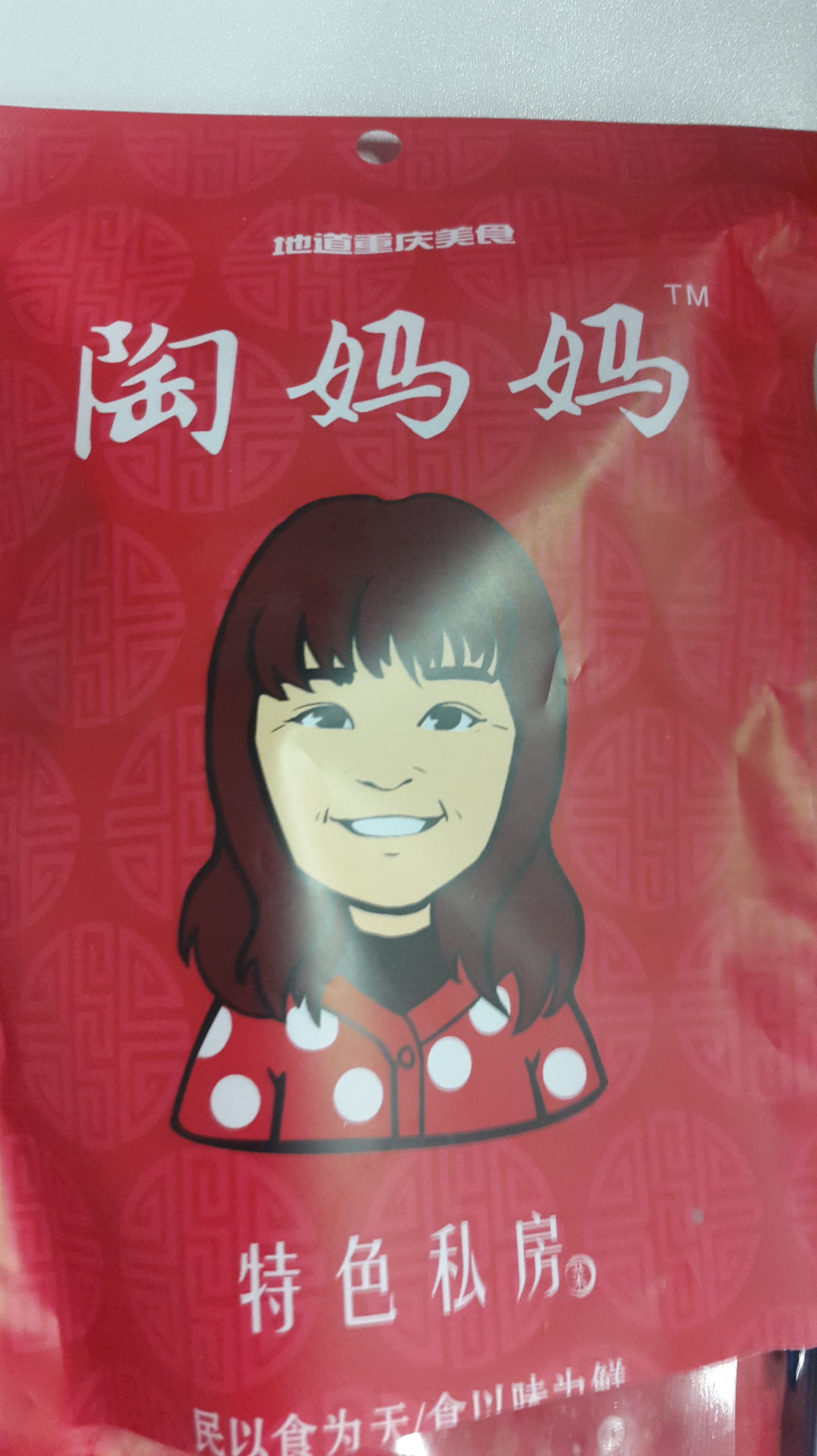
Chinese “shakam ezay” packet

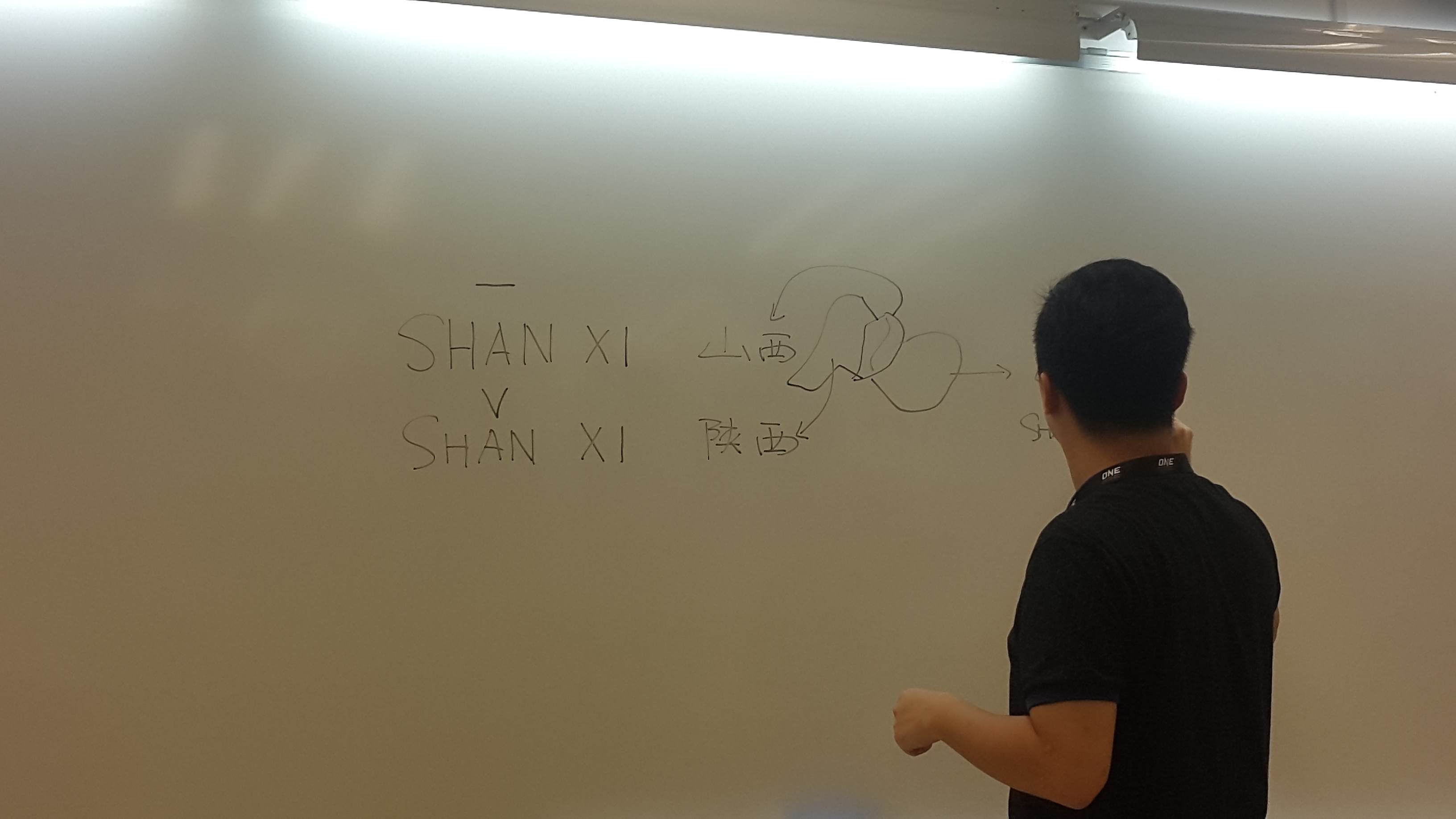
It is the Academic Writing class and we are going through a journal article by an American woman who taught English in Shanxi province in the 80s. “The provincial capital is Xian, right? Which was also the capital of a medieval Chinese empire,” I offer my comment to the class. My knowledge of China is quite limited and also superficial. “Not that Shanxi. Another one,” my professor replies. “Oh! There are two Shanxis in China?” The class (just three of us) laughs at my latest realisation. Jay offers to explain the difference between the two Shanxis. “This is Shanxi, pronounced as Shaan Xi, meaning “Land west of Shan mountain”,” Jay writes in Chinese characters and also the romanised version. “Then why couldn’t we call “East” of Shan Mountain the other Shanxi?” I propose with the inquisitiveness of a child and refusing to admit defeat. “Oh, east of Shan is Shan Dong, another province, Dong means East. This is where Jojo comes from,” Jay continues. I burst out laughing again. Amused by own stupidity.

Ok. To summarise: there are two provinces with same name (but romanised as Shanxi (west of Mountains) and Shaanxi with double a, which means Land west of Shan for the benefit of sentient beings like me who cannot read Chinese). There is slight variation in how they are pronounced but to an untrained ear they are both identical. Obviously, they are totally different when written in Chinese characters. The writing system is not alphabet-based (meaning phonetic) but pictorial and ideographic representations.

The class continues. The topic for today is contrastive rhetoric – the difference between Anglophone and Chinese academic writing styles. A paragraph, in particular, from the journal article catches my eyes:

All Chinese know the standard procedures of Chinese courtesy: 
"This food is not very good, we are not good cooks, you must eat 
more." "This is Chinese candy, Chinese candy is terrible, this 
is especially terrible Chinese candy, you must have some." 
Certainly, all language-users rely upon idioms, clichés, and 
set phrases, but the Chinese seem always to rely upon them...

My face brightened as I noted the astonishing similarity to my own culture. If I just execute the “Find” and “Replace” function on my Word document of just one pronoun, it will be a valid description of popular courtesies we followed back home. I just translated them in my head in my native language and they fitted word by word. I smiled even more.

This is what I like about learning. A discovery such as this. First of all, in a place that is so far that I didn’t even know the existence of two similarly named provinces and yet to find out a similar tradition of basic social norms as mine.

It just reinforced my confidence in my own culture.

NB – “This food is not very good, we are not good cooks, you must eat more” are widely said in Dzongkha as Zhego tshuebchi ga nay ya bay matshub. Zhay may la and in Sharchopkha as Toh tshutpa thur hangraang drangmay may la. Zhey na la.  


~~~

20160930_150931
Jay explaining the difference between the two Shanxis


Leaving your comfort zone

14463036_185958378508199_8294682208825321234_nJourneys take you out of your comfort zone. You land up in strange places where you feel you have nothing. And where all your egos, fame, preconceived notions, assumptions and accomplishments vanish albiet temporarily. You feel vulnerable. You feel naked. You don’t know how to behave; you even don’t know what to eat (I am a veg) or even how to eat (the sequence or combinations). What to talk about? In the sense what is permissible and what are the social, political or religious taboos out there? How do you dress yourself appropriately? All in all, you are thrown into a whole new world, new culture and new social reality.
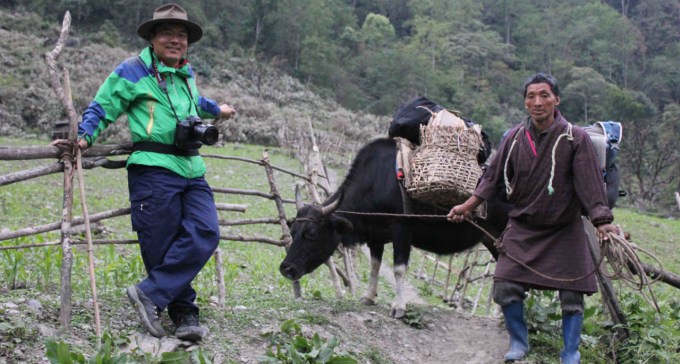
Once you tide over these initial apprehensions and challenges, you start connecting to the new world around you. You start assimilating, adjusting, making new friends, creating acquaintances, learning the social norms, etc. The result: you come out a stronger person – confident, proud, knowledgeable and with more wisdom. You have accumulated more over your previous achievements. You have new notions and loads and loads of fresh experiences. And, of courses, a bigger network of friends. You rediscover yourself – a new self. It could happen whether you land in Los Angeles or Lunana. But the further you stray from your comfort zone, greater is the feeling of vulnerability and bigger will be the sense of satisfaction.

So you want to travel to distant lands, to a distant culture in future? Yes?

img_8344
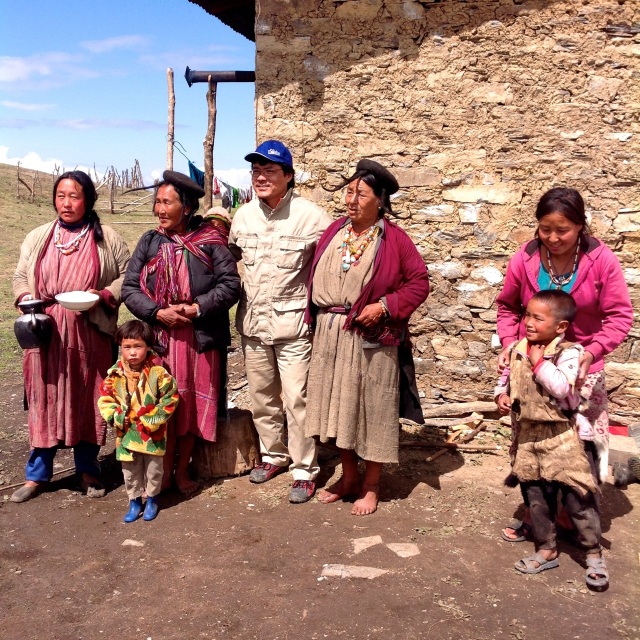
This is my favourite picture from all my travels. This is in Kheng Silambi (lower Monggar)

Then start now. Today.  Move out of your comfort zone. Train yourself in your own surrounding first. Visit places you haven’t been and meet people you didn’t know. Like, take a weekend trip to Nub Tshona Patra – on your own. Or to a nearby place if you are not living in Thimphu or Paro or Haa. Try get yourself to spend a night in a temple, or in a hut or in a simple monk quarter. Negotiate. Interact.

That’s what I did. I traveled to every part of Bhutan in my life. I was fortunate that I also had jobs that allowed that. But, again, I chose the job. I slept in a cowshed in Dagana, ate with locals everywhere, begged for food on our way from Singye Dzong (our ration ran out), nearly died at Gangla Karchu between Laya and Lunana, risked getting buried inside Tala tunnels, nearly got gored by a yak at Pelela, suffered a food poisoning in Kengkhar.

Then slowly you can venture further. Become bolder! Get yourself transferred to a remote school, BHU, Extension Office or a Range assuming that you are either a teacher, health worker, agriculturist or a forester.

Face the hardship. Cherish it. Take pictures. Keep a journal. This is important because when you write them down, they magically turn into beautiful memories immediately. Try.

Those who are already there (remote places), start looking around with a different lens from today. Objectively. Without prejudice. Can you see this as an “opportunity”? As a training ground for yourself for a greater role in your life? You should, if you just open your eyes – if you reflect on or see the beauty around you. But if you think that you are getting punished or that Thimphu is a better place, then you are in misery.

img_8670
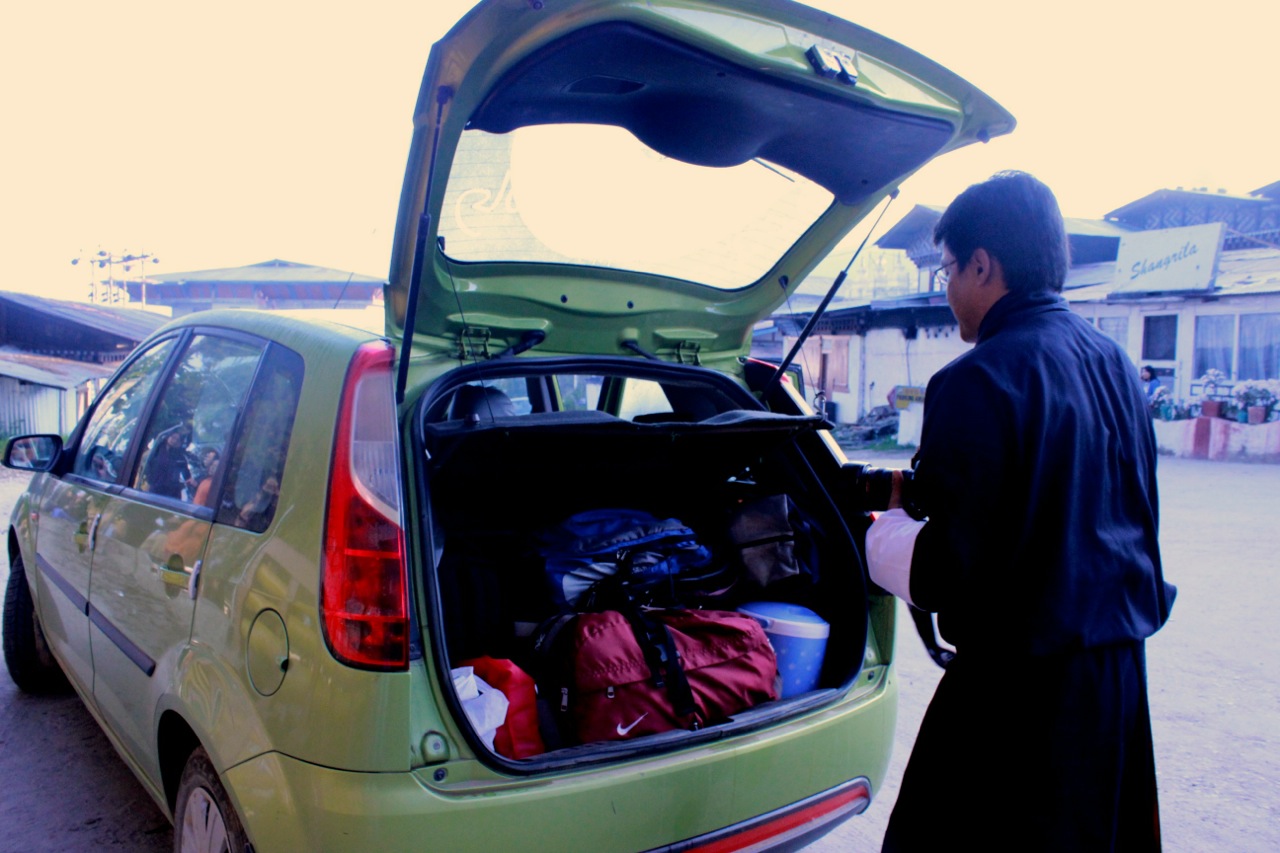
In 2013 after I was relieved from the Palace, I packed everything I needed in a car and took off to Kanglung. Taught there for a year and half.

When I left Italy in 1995, where I could have easily landed a job (some of my Bhutanese colleagues did stay back), my Italian friends thought I had gone crazy. Now 20 years and loads of experiences later, they think little better of me. Bhutan is to Italy, what Lower Kheng is to Thimphu. Same analogy.

But don’t think of jumping straight to China when you are homing in towards 50. It won’t be just hard. It will kill you.

~~~~~~~~~~~~~~~~~

my-group
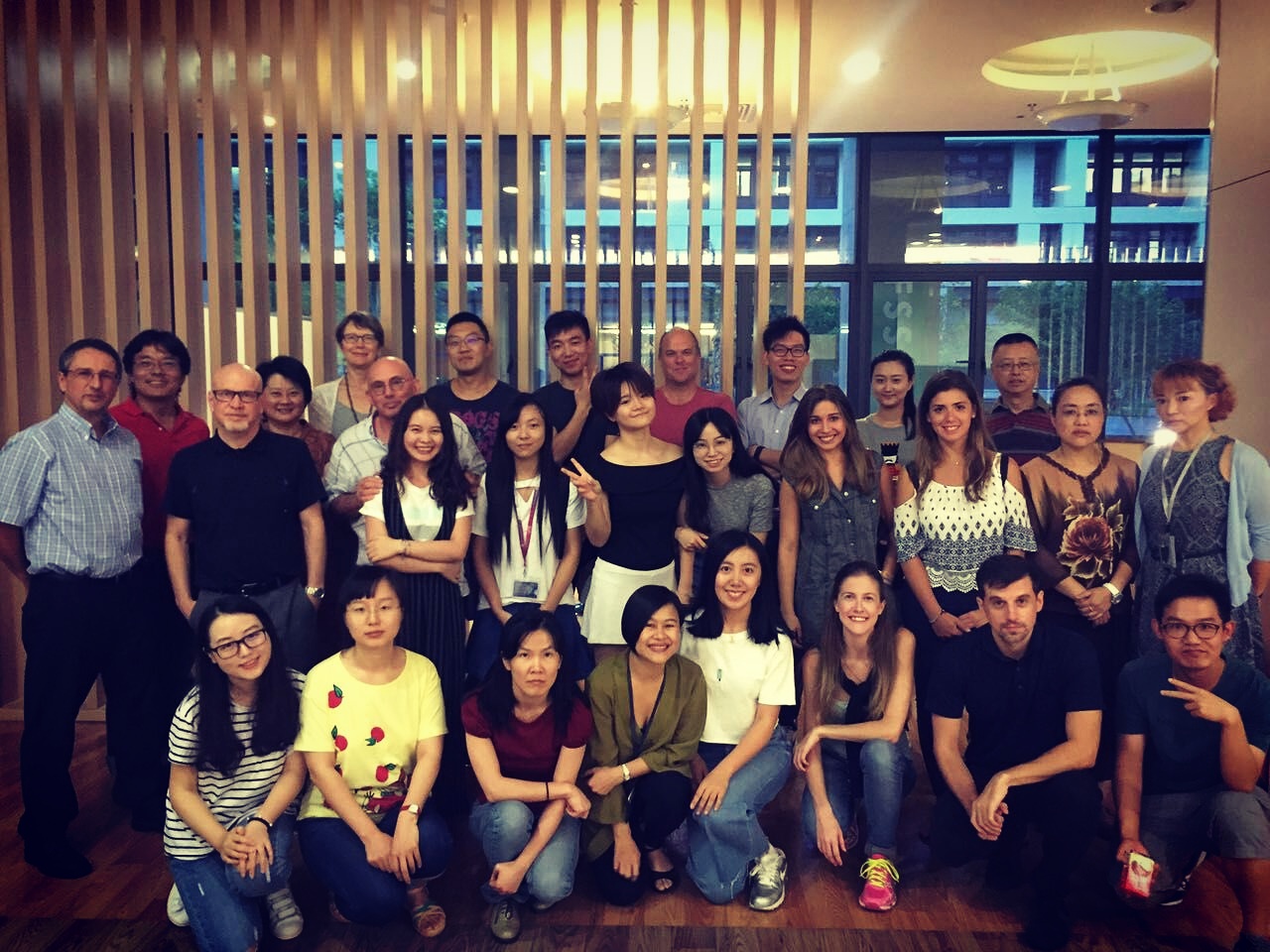
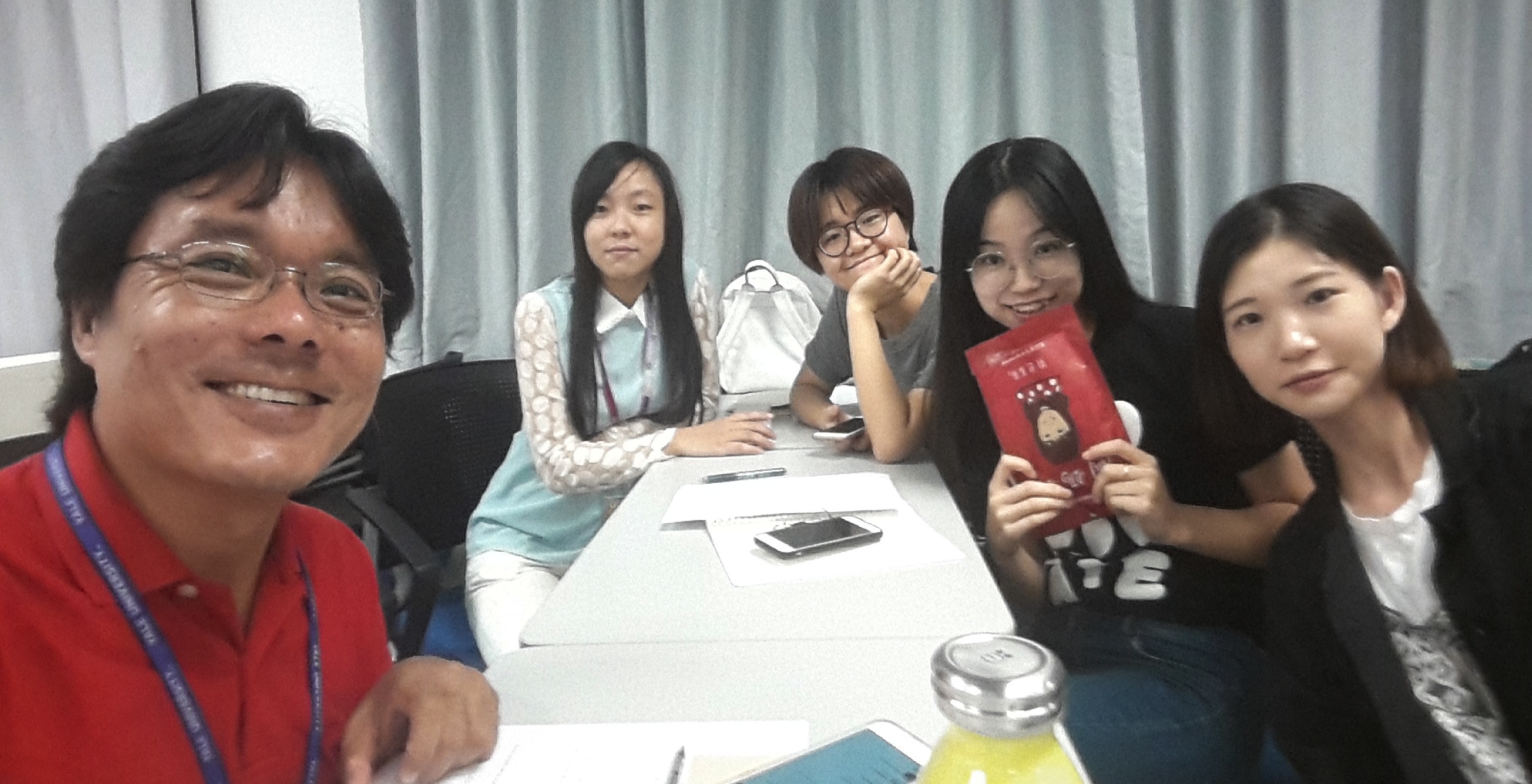
Two of a Kind -My group from the masters course. They are all from Hunan province and found out that they also grow chillis like we do in Bhutan. Two of China’s 34 provinces where chilli is a vegetable. Their favourite snacks – shakam ezay


img_20160921_210159
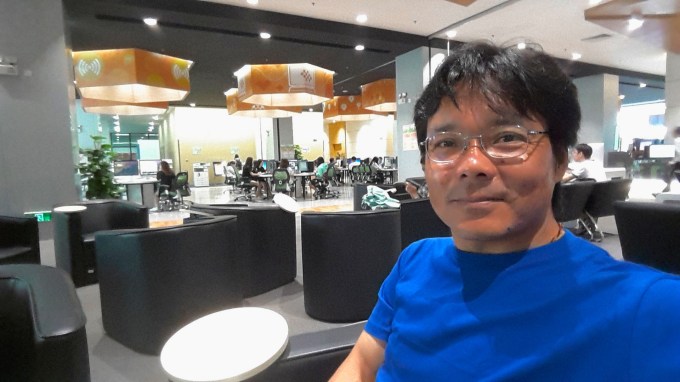
Where “East” meets “West” – What a joy to be here and rubbing shoulders with the best minds from the two “worlds”.  Can’t ask more from life.  I already feel wise.


20160913_175543
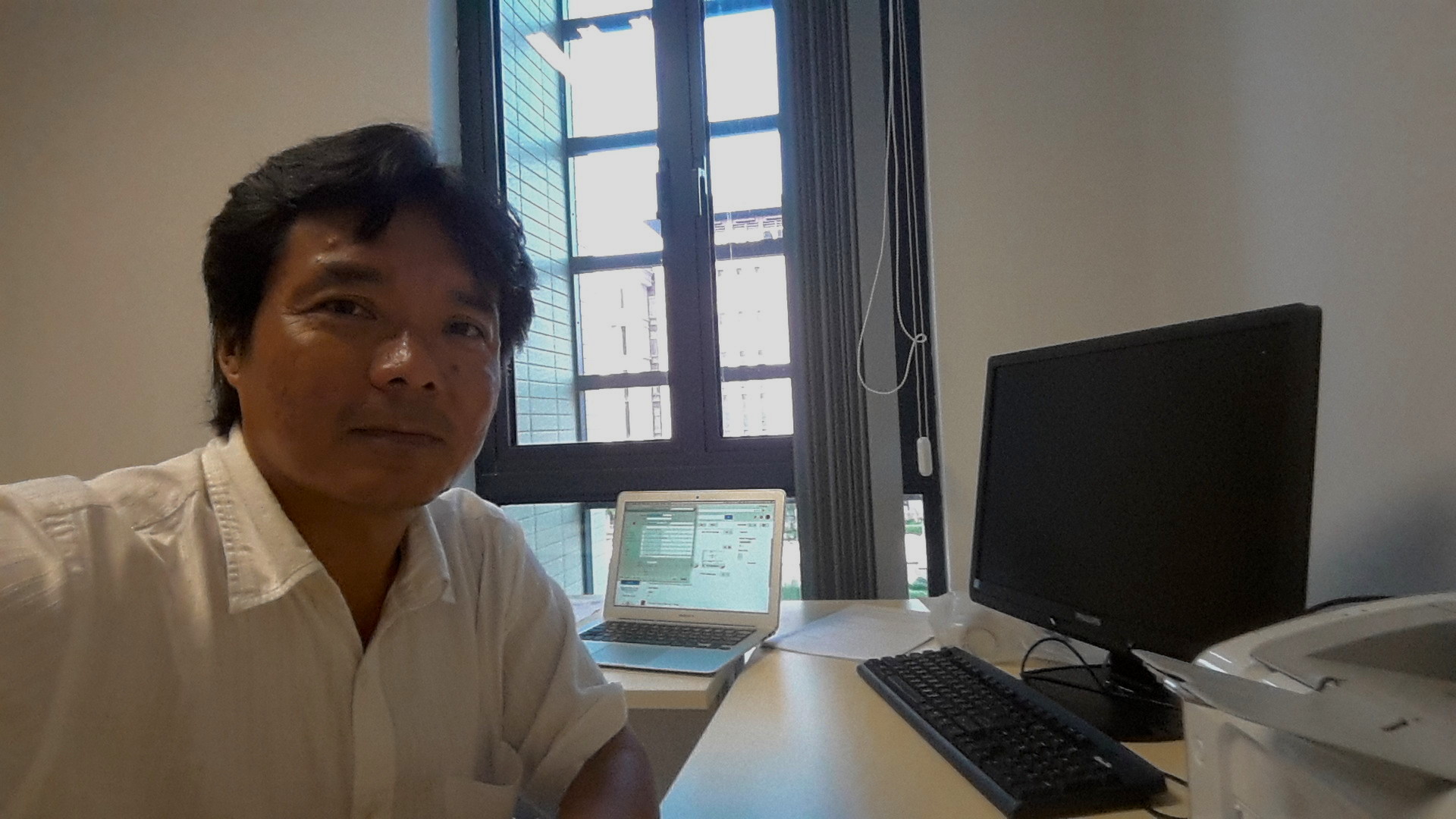
Special student – Thanks to my age and some experience, I am considered a special student here. I study, deliver lectures sometimes, assess students’ assignments, I get a office. What else?


classmates
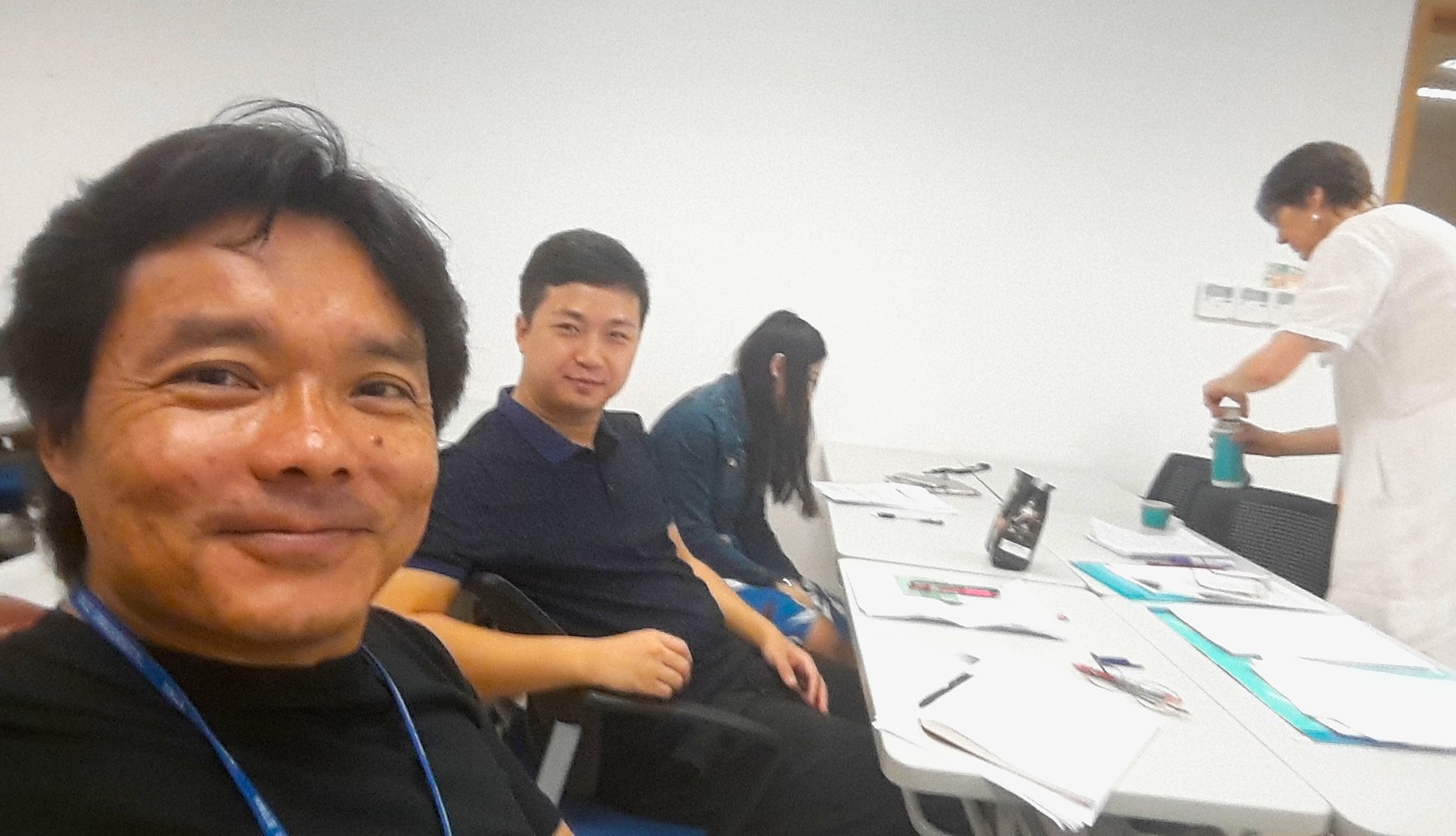
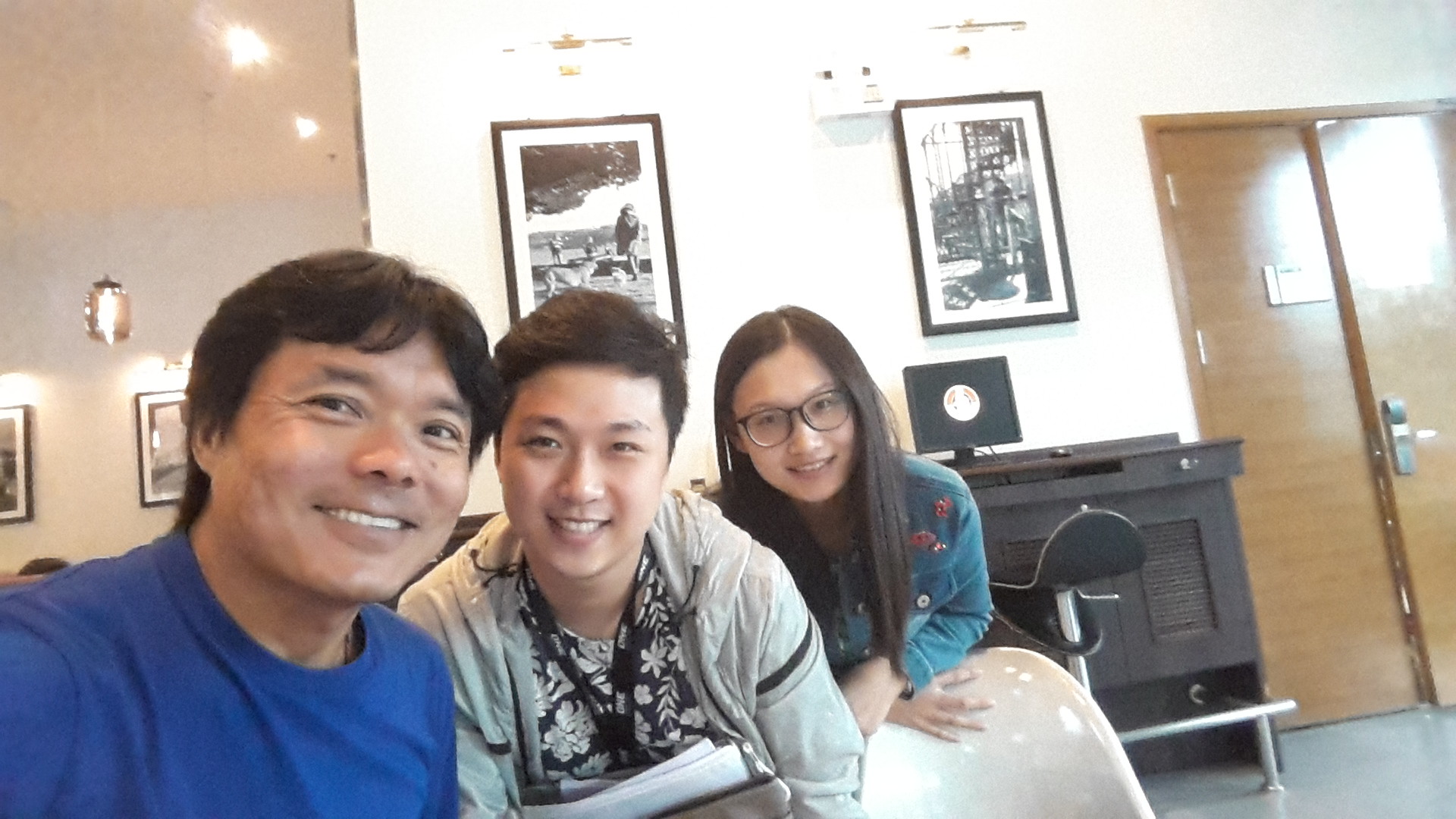
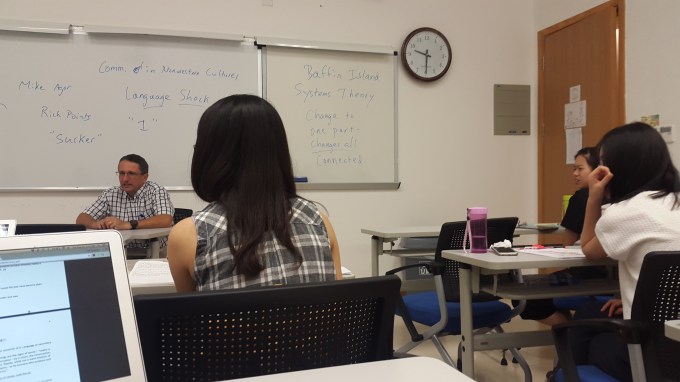
The department of communications took in only 3 students this year – me, Jay and Jojo. So our class is more a “meeting” with superb professors like Mary Roberts from New Zealand


Learning all over again

Going back to school is fun. You get to relive your life – the so-called “golden” student life all over again. However, it becomes more difficult as you age because you have to cope up (and sometimes put up) with other realities. In this article I will lay down some key issues and skills and chills of going back to college.

  1. Zeal For Learning

    20160915_201512
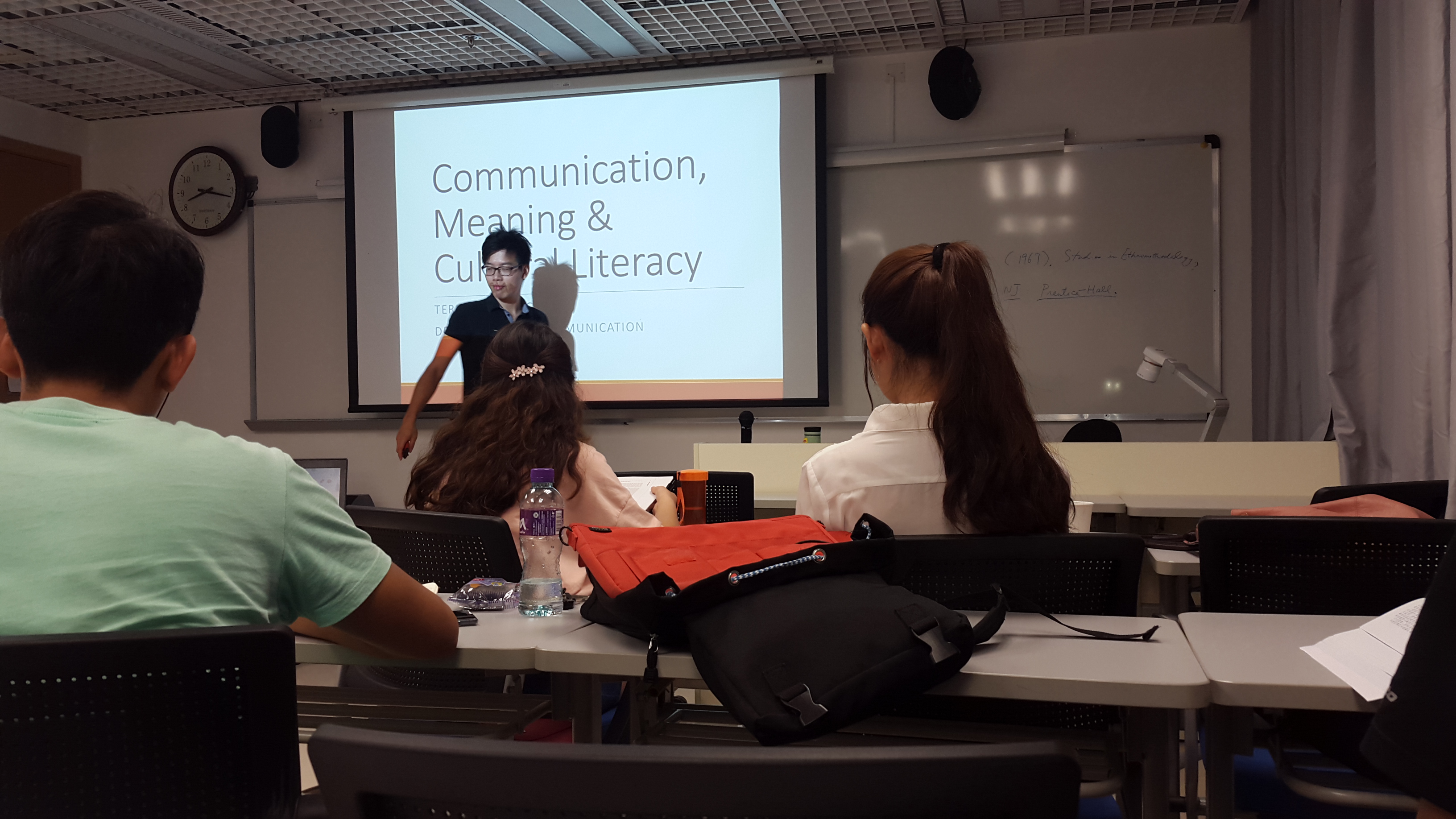
    I practiced media and communications for 20 years. Now finding out what I was doing. Better late than never. Terry, who is little more than half my age, taught us how to read an academic paper.

First and foremost, you got to have a genuine zeal for learning. You have to look at yourself and ask, “Do I really enjoy learning? Or was learning just a part of an ambition that I pursued?” You need to answer
these carefully because if you have made learning a MEANS and not an END in itself, you will suffer. Learning itself should be the end goal and not something that you do expecting a better job, career, money or fame.  I am not saying that this is wrong. But this is something you do when you are much younger – when you are, as the Italians say, in your primavera (spring season).

  1. READ? You. Can. Kill. Me. Instead

We (especially Bhutanese) don’t like to read. Not even something that we sign on. It is a national disease. We would rather be killed than be asked to read, for example, Bill Clinton’s 1008-page autobiography, My Life. I am not a voracious reader but I would easily pass the national average. Post grad studies requires you to read, read and read. In communications studies we are made to read even more – and on a variety of subjects – philosophy, anthropology, sociology, psychology, mass media, religion, history, politics, economy, current affairs, public relations and many more. If reading is your nightmare, don’t even attempt the post grad dream. But if you DO read, you are already a step closer.

  1. Shed off your ego

Ego is in our blood. I wish it showed up in our complete blood count (CBC) reports so that with another prick of a needle we can bring our ego level down just like we do with blood pressure. You should HAVE pride – but not ego. Pride gives us dignity. Ego destroys them. Now going back to school, can you rub shoulders with people half your age? Share a room in a dormitory? Get lectured by people younger than you? Seek help from anyone from a janitor to a gardener? Admit that you can’t even use your own mobile phone? Can you be, suddenly, nobody all over again in a strange place?

  1. Simple Living High Thinking

The increased income level in Bhutan in recent years has made us more materialistic than ever. I am amazed to see how much we pile up with stuff that we actually don’t need. In 2013 after I lived in a one-bedroom apartment in Sherubtse for a semester I decided to scale down my life. I realised I could live more with less. When I got back to Thimphu I started sieving through my wardrobe. And out came things that I never wore and didn’t even remember buying them. I returned to Kanglung for two more semesters – with 3 suitcases of cloths and 2 cartoons of old shoes that I gave away. I also gave away both my silk gho to my younger brother.

20160904_125034
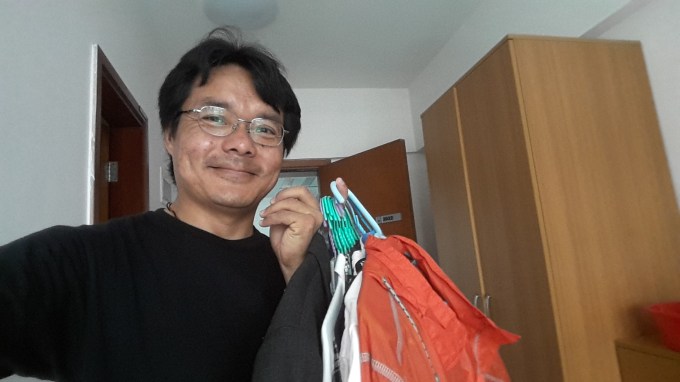
Living on a 20-piece clothing. You live more with less

Going back to school means you have to detach yourself from that materialistic lifestyle. And adjust in a modest one-room flat after living in a house (in my case, in a villa). Can you do that? Do not romanticise these things? It is not fun after the second day. There is absolutely no private space. You have to line up for food instead of being served at the table. You have to do your laundry, clean your room, wash the toilet and scrub the basins. And if your roommate doesn’t care it is even worse. But living a simple life, you have more time for yourself, time to read, moments to reflect and time to pause – especially for someone like me who has been running since I graduated some 21 years back.

  1. New place Strange Place

Being in a new place is nice but NOT if you have decided that it will be your home for the next 3 years. You are not on a paid-holiday or a romantic honeymoon but for a more serious stuff in a strange land for an extended period. You have to make yourself at home – and quickly. Of course, there are services and supports centres. But unfamiliar surroundings can be dreadful. No friends to support you. No family members to rely on.

20160909_130515
My two ‘classmates’ whom I rarely meet

And in my case no compatriots to even seek help. I am the only Bhutanese in this mini-country (Macau is a SAR of China and administered independently like Hong Kong). What happens if you have a medical emergency? Or if your money runs out faster than you had planned? What if you lose your passport? Or if you cannot catch up with the rest of the class? And fall behind with assignments? And like in my case what if you have just two classmates whom you don’t even meet? Yes, you could be lonely. Being away from your family, friends, comfort zone could be terrible. The social, cultural, physical and mental challenges are big. If you are not up to it, you will collapse.

Now having given you all the “bad” news here, from my next blog entries, you will only have the best of being back to school, I promise. I will also share about how YOU can also do whatever you want to do when you grow older (which everybody will). A sneak preview to that: at the core of everything you do or you want to do in life is your health. Take a good care of it.

My friend, Ugyen Tshering (former Paro NC member), used to tell me, “Stay fit. Your chance of your lifetime may come when you hit sixty.” I followed his advice.

Eleven years to go for my chance at sixty.

~~~~~~~~~~~~~~~~~~~~

20160907_152336
Following Bhutan Standard Time with assignment submissions. 🙂

20160914_105615
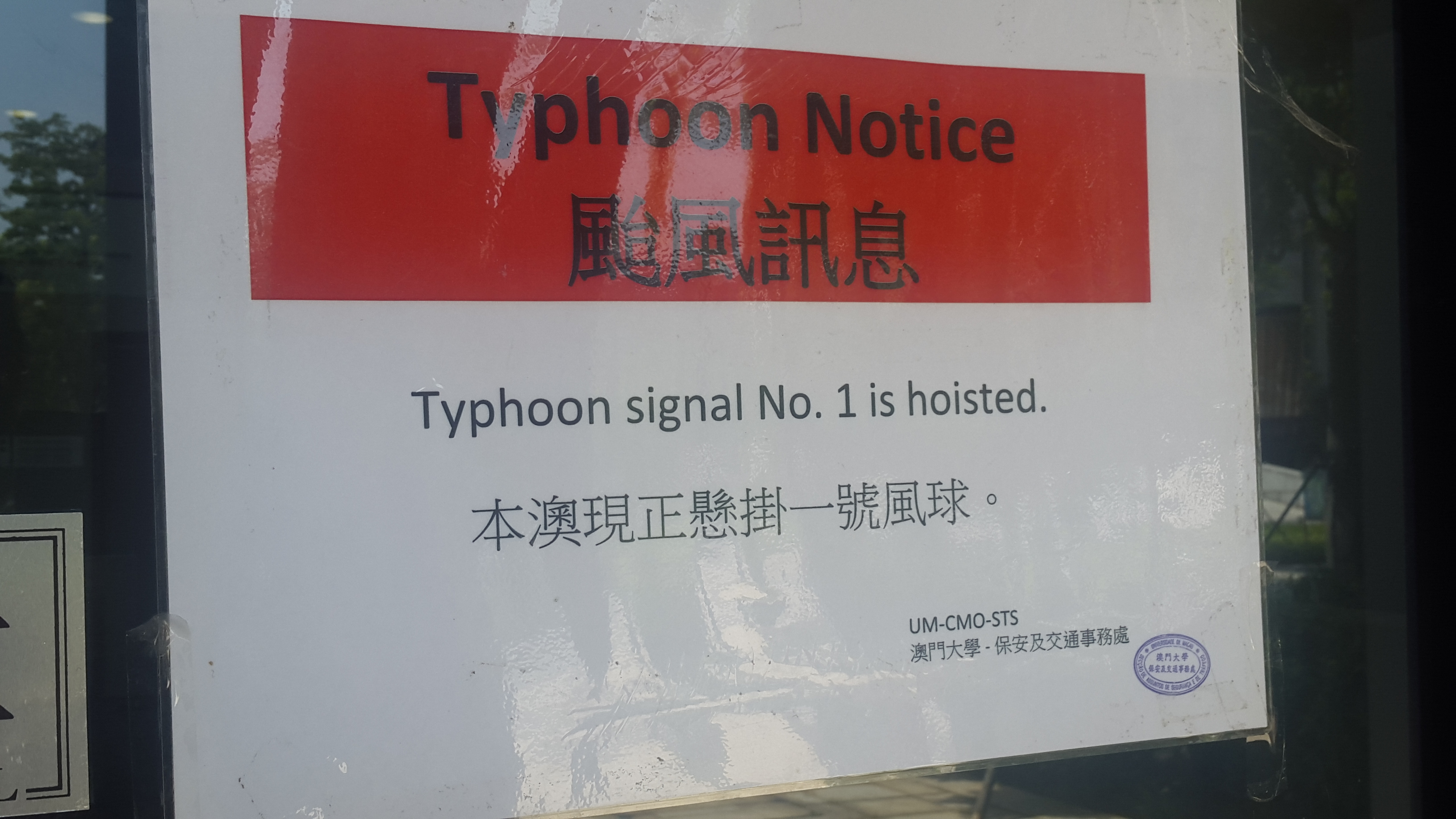
No earthquakes like in Bhutan but a different type of natural disaster


mix method.jpg
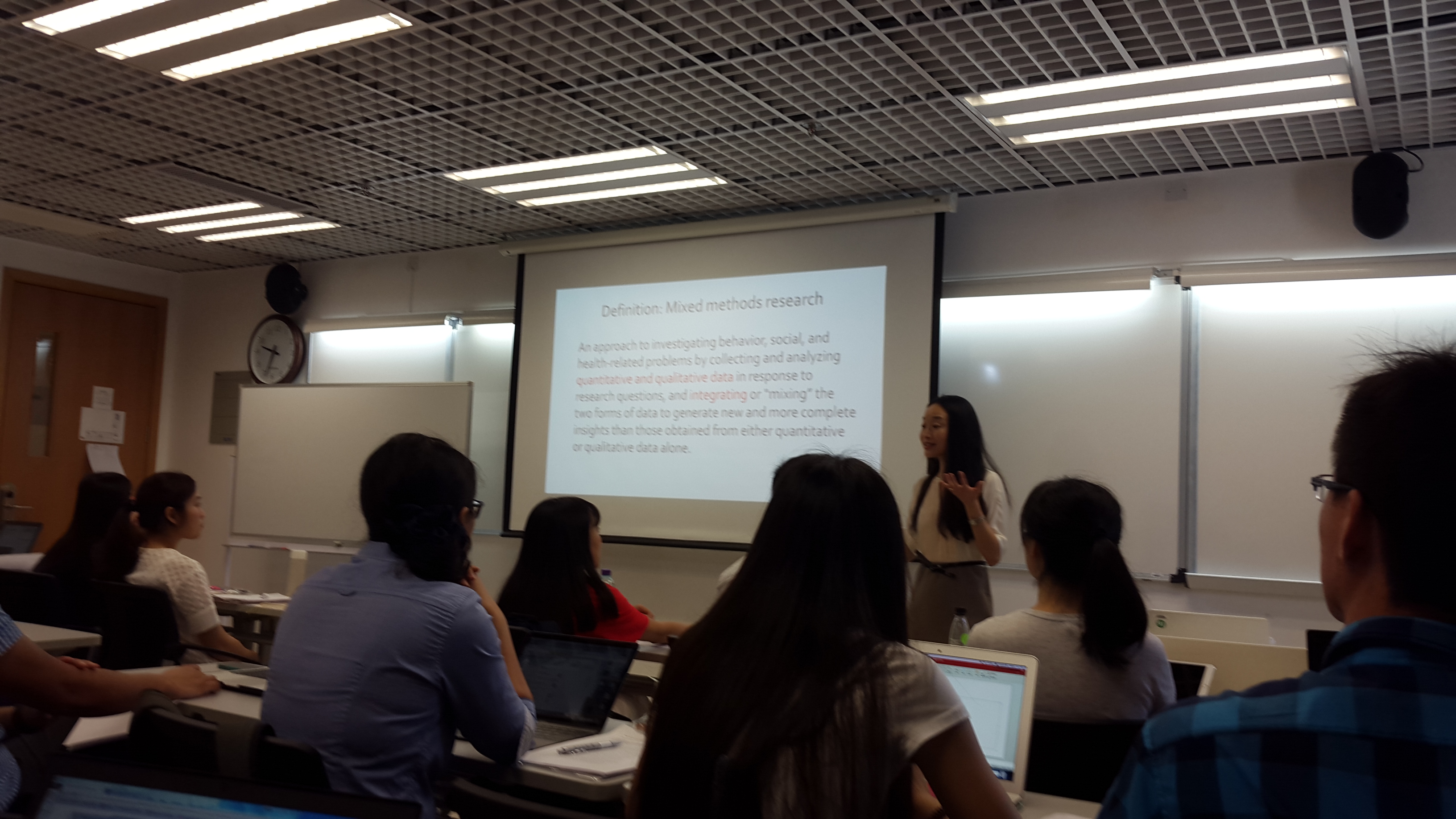
Visting professor Su Lee from John Hopkins speaking on mix method approach in research

Back to school

In this blog entry I try to explain why I decided to go back to school at this stage in life. From an off-the-cuff bucket list to a short stint as an adjunct professor with the Royal University of Bhutan to a research trip to Kheng Silambi with a team of social scientists from University of Berkeley, some things are simply meant to be in life.
20160830_161635
Going to school.  Books, water bottle and smiles

“Where is the original for this?” Jennifer, a very beautiful young lady, whose age was impossible for me to guess, asked me as she flipped through my academic transcripts. “Well, I graduated many years back, changed couple of jobs and so I really don’t know till which office the originals followed me,” I replied with a timid smile. “Yes, it’s been a long ago,” she added smiling back, “You have mentioned that you had asked your university to send a copy?” she went again. “Yes. But my university doesn’t open until the end of the month. They are on summer break,” I told her. She went back and forth her office desk and the counter for a couple of times and then closed my file with utmost care and handed it over to me with, “So you can enrol in your course while we wait for the certification from your university,” she went. And she gave all the things that I needed to start off.”

Unlike in Bhutan where we are told to come tomorrow if anything were missing, people here work based on trust. Nothing is denied or stopped as long as you speak the truth.  You keep going and you keep attending to the issues. Verbal commitments are honoured. People’s words are trusted.

I walked out of the building towards the library building, looked for an espresso coffee to wake myself up fully and got some lunch. My next appointment was the police department where twelve of us were shepherded in a university van to go over and renew our Stay Permit. After filling up two forms and after turning in our fingerprints I faced an official at her desk who went through my papers. “Oh. You made a mistake here,” she said. I got little worried. “Just overwrite it and put your initials,” she added.

20160830_133403
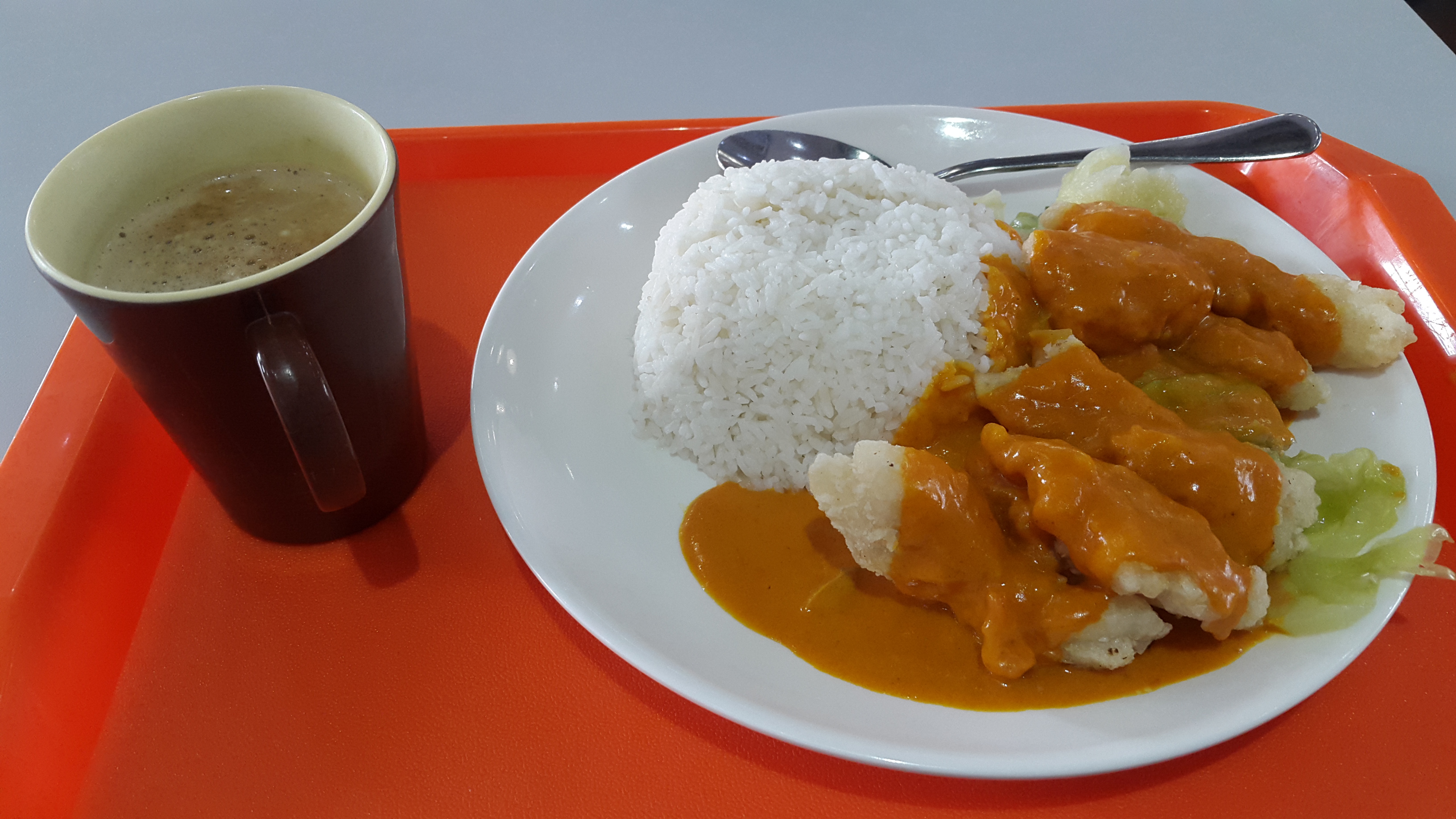
Mess food.  Cheap.  Good.  Healthy

Everyone here has been so helpful from the moment I landed in Macau. There is no doubt that things ARE as bureaucratic but here the civil servants believe, and take pride, in what they do – public service.

I could finally meet my professor towards the end of the day. He passed me a list of required courses that I had to take, an undergraduate course that I had to help teach and a course that I could apply for an exemption. I looked at the paper and my first class was just few hours away. On the very first and the same day! “Welcome to the student life,” I said to myself.

It was getting close to 7pm and I was having some trouble locating my classroom. After I gave up I sought the help of a janitor who was mopping the floor of the long corridor. “You go straight. Take the elevator to first floor,” he said with perfect Chinese-accented English that instantly reminded me of Russell Peters. I walked away forcing myself to keep a straight face.

20160830_212751
It is 9.30 PM and not AM.  Great for an owl like me.

Finally I found my class. The professor was about to start the lesson. I bowed down to him in Bhutanese style and found an empty chair in the forth row. The class began. “Welcome to this course. I am professor Tony Schirato. You can call me Tony. And this is Terry, my teaching assistant.” Tony is Australian of Italian origin and is a full-professor and head of the communications studies. I met him on my previous visit and I was looking forward to his class. As he spoke I looked around to find myself with some twenty people. The oldest one was probably half my age. I started wondering if I was in a dream. I even poked my palm with my pen to check if I had died and gone to heaven. Pain. No. It was real. I was back to a classroom. After twenty-one years. Who would have imagined that?

As I was juggling between dream and reality the class ended. Fortunately it was called off “early”. It was still almost 9pm. We just had the course outline. I walked out with few new friends that I made for the group works and presentations – Charlotte, Ocean, Angel and Hala – all from Hunan in China.

The evening air was cool. There were still many students walking up and down the campus. I look around with my face beaming – partly because of the pride of having made it here (my first degree was in engineering and had nothing to do with communications studies) and partly giggling at myself for undertaking such a stunt at this age. “Why am I here?” I asked myself. Moment of reflection. “Because you made that a bucket list when you were 40,” I replied.

20160830_112645
The library.  Books for oldies like me.  Digital for others.

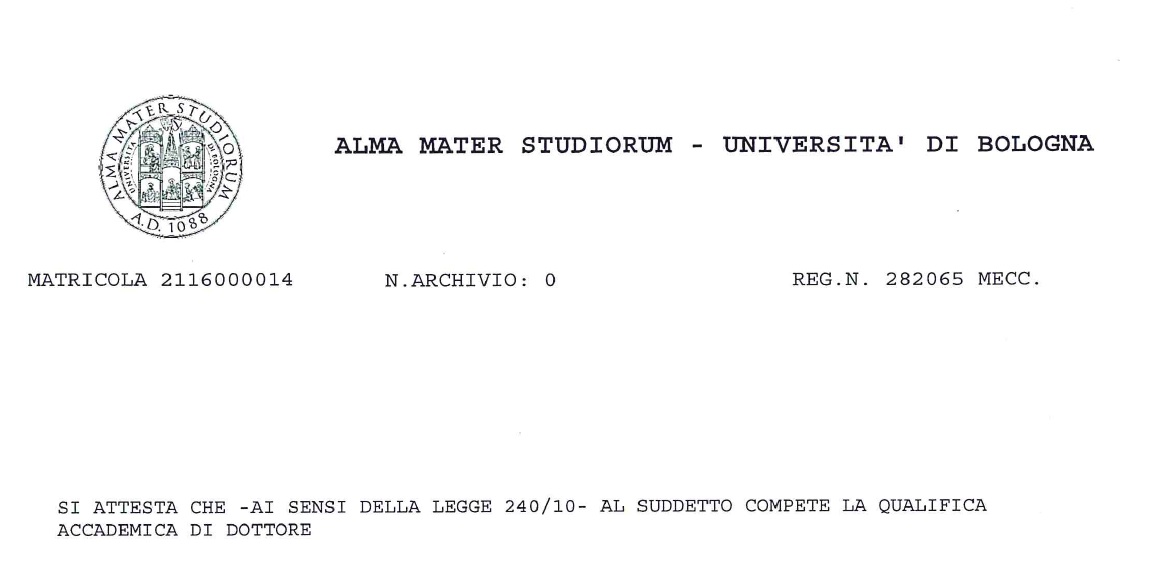
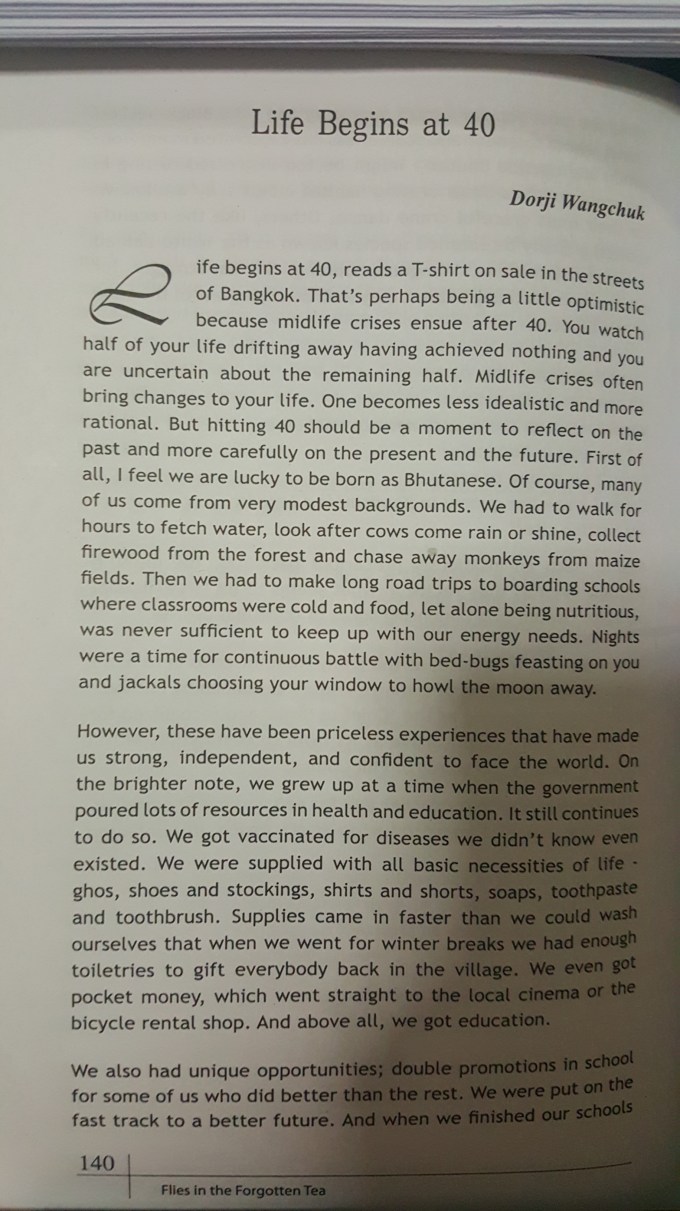
Yes. Some time back when I was homing in to 40, I was scared of entering into a mid-life crisis. I wrote a chapter, Life Begins at 40, for a book A Fly in a Forgotten Tea to cheer up. And to keep myself excited I also made a bucket list – of things that I wanted to achieve by the time I turned 50 (not very far away). First in the list was to meet Nelson Mandela; second – to fly a plane and third, to go back to a university for a PhD. It was not a well thought-out list but something that came out instinctively. Now I am here and as my Chinese friend asked, why do I need a PhD? Well, in the conventional sense of its usage such as furthering a career or making more money, I really don’t need one. I have already come long long way in my life and I am content with that. And I can still go further with my degree from Italy. Besides, I don’t need a PhD to add the fancy title of “Dr. “  in front of my name. I am already entitled to that having been conferred by my previous university and I never used it even once.

The idea of doing a PhD, however, gathered steam in recent years. First, my short stint in Sherubtse as an adjunct professor opened a new world to me. While inspiring our younger generation there I also discovered a fascinating life of research where I thought that it would be wonderful if I could bring together my life’s rich experiences into some scholarly works in the field of communications. I have seen, lived, built and experienced the development of modern mass media in Bhutan. From the first radio transmitter to setting up the Royal Office for Media, I have seen a lot. So, to put in purely academic format, I have all the anecdotal experiences, which many can just dream of. Therefore, I decided to pursue a third career in the academia. And if you intend to hang around in a place, you got to be the best. I have also understood something about our higher education system – and education in general – along the lines of where we are going wrong and what kind of catastrophe we are heading towards – as a society.

20160830_132937
Getting some food.  This is the general canteen.

Secondly, we really need to understand the media in Bhutan – the social media, in particular, and mass media in general. Mass media is now a reality especially that Bhutan is a democracy. Nothing will be more defining or damaging to our country than our failure to create a healthy relationship with the mass media. Ultimately we need to develop our own media model that is tailored to suit our history, culture, social circumstances and political evolution. I have called it the middle-path journalism.

The most important reason, of course, is what I always believed in, practiced and perfected over the years – the lifelong learning.

You don’t stop learning – because once you stop learning, you stop living – you stop growing.

One should learn new things, acquire new skills and absorb new knowledge every day. In a world that is changing so fast one could get stagnant or redundant very easily. When my generation finished our high school we (the so-called top students) were almost bullied by our government to go for engineering or medicines. Now I meet lots of engineers who cannot even get a decent job. My Chinese roommate says that in China no one studies after 30. I told him that in Bhutan people stop learning even much earlier.

So here I am. And coming back to my bucket list and the other two things, well, Nelson, sadly, passed away before I could meet him. I met his son through whom I sent my greetings. I was saddened but, at least, I feel, I can still fly a plane.

Life begins at 49? Possible.

~~~

doctor-certificate
The degree from my earlier university entitles me the use of Dr., which I never used.


20160830_120550
Back to tee shirts and blue jeans.  Bring it on!


20160825_122933
Will be getting an office soon.  Yaaaay!!!!


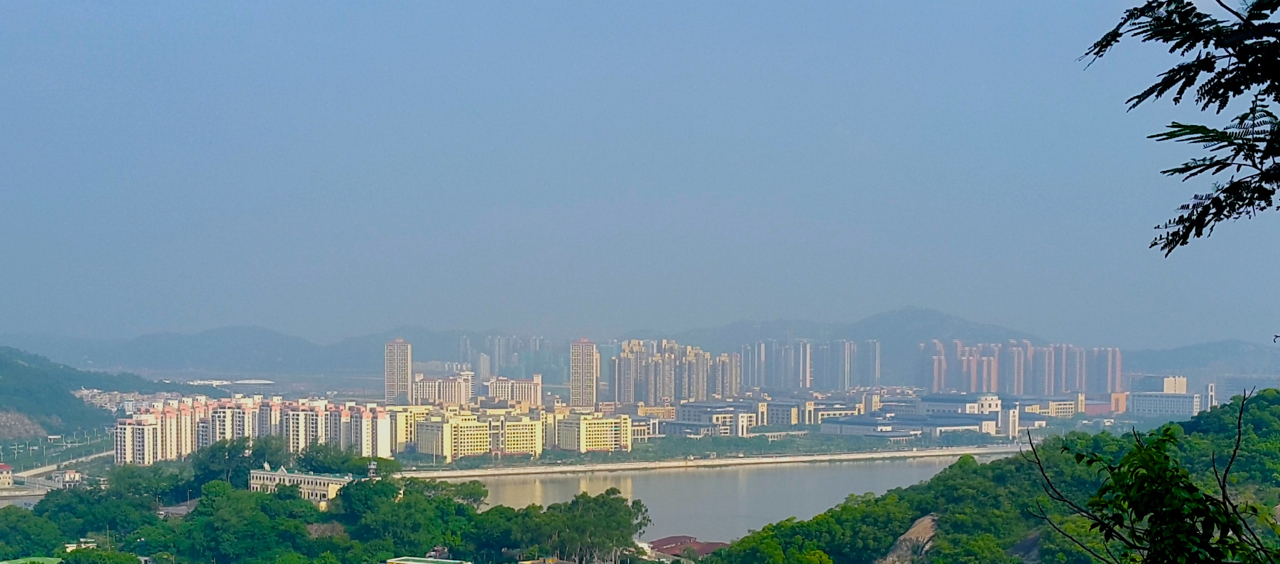
20160827_082220Macau University is inside Mainland China connected by an undersea tunnel. 
book1