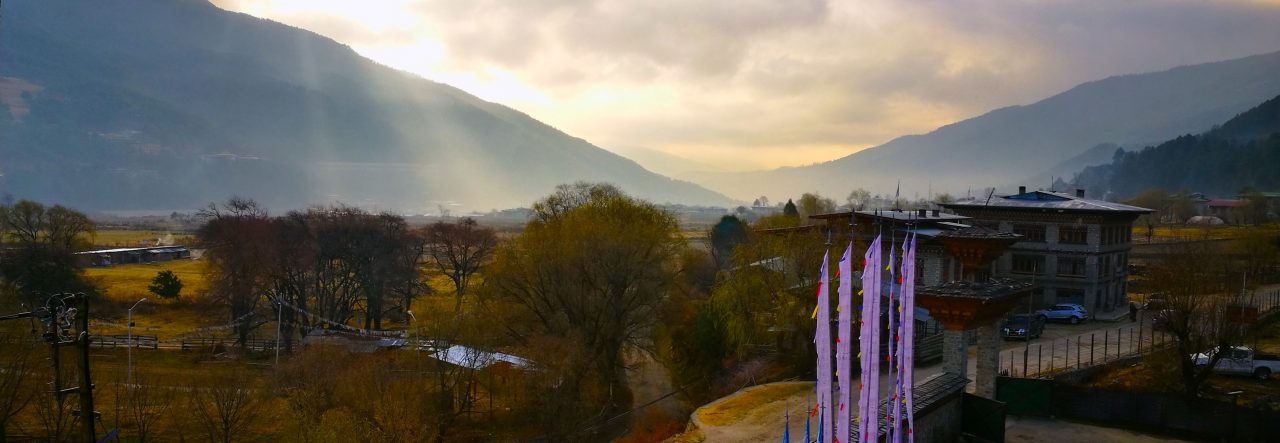
Twenty five years ago yesterday (June 2), TV finally came to Bhutan. It was launched as one of the Silver Jubilee celebrations of His Majesty the Fourth Druk Gyalpo. While there were many great things done as a part of the celebration, including the introduction of the Internet on June 1, the arrival of television to Bhutan was the much-awaited moment for just everyone in the country for various reasons. Someday, if I feel, I will detail them out.
As many would know, I led that historic project, which I am still immensely grateful for the opportunity of a lifetime – something that I am still proud of and will remember it forever. I recall one morning in January of 1999 when the late Lyonpo Ugyen Tshering, who was then the Cabinet Secretary, called me and another colleague of mine, also Ugyen Tshering (who later became a parliamentarian) and conveyed to us the Royal Assent. In his simple misdemeanour he told us, “Even if you have to take the Druk Air aircraft to get it done, do it! Now it is a royal command.”
Running up to June 2, 1999, there are a few cute little details, and a secret, that I want to share here today. More in future.
The TV project, while it was proposed for months preceding to 1999, was given the final green light only 4 months before the actual launch date. So, it felt quite impossible to build a brand new TV channel in four months. When I started enquiring with the companies around the world for the essential equipment everyone just declined. One even told me that I was crazy. I was, actually. However, a French company agreed and I flew over to Paris to check the company. The deal was done.
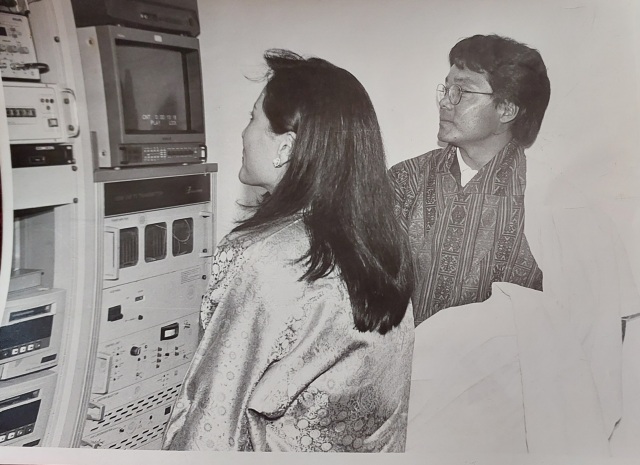
In telecommunication engineering we also have something called redundancy – meaning we cannot depend on one set of equipment, since we are dealing with the public service. We need a back-up. And so, since it was impossible to get a second transmitter within that time period I stopped over in New Delhi and I requested my good friend, RK Gupta, who was then the Chief Engineer of Doordarshan to lend me a used transmitter. RK Gupta (he used to refer to me as “my Son”) sent a full set of equipment – all packed in three jumbo trucks from his branch office in Lucknow. Fortunately, I later realised that I had made this personal request, because the main transmitter from Paris came only on May 30th evening with only 60 hours to go on-air. We were literally counting hours and minutes, sleeping in tents at Sangaygang to get the job done and going home only for quick showers.
While my team was unpacking the main transmitter I immediately assembled the back-up station sent by Doordrshan and then got it working. This took away a lot of pressure from me. It was also because I was the only TV engineer back then. My team had not even seen what the TV test signal looked like before that. So I felt the whole national TV project on my shoulder.
June 2 came and the celebration kicked off in Changlingmithang and, at Sangaygang, which overlooked the whole Thimphu city, we briefly stopped to listen to the Royal Address. When HM made a mention of the introduction of TV, I was super proud, but deep inside I was still grappling with the fact that we had still not fully tested the equipment. We were making the last few connections to put the full power from the main transmitter through the antenna. I kept that a secret, because if people knew we were not fully ready, it would have panicked everyone. In a crisis you just keep your cool. We achieved the full power without burning any equipment just two hours before the actual launch at 4pm.
People will remember that the first historic transmission came 20 minutes late, but that was due to another last moment issue we had – and it was not from the technical side, although it is normal to hear the announcers say it is.
All in all, 25 years later here we are. Was it good, or bad for the country that we brought the TV? All I can say is, it was inevitable. In the years and months running up to 1999, I faced the Planning Commission and the powerful Cabinet (ministers were like gods those days) and I remember sternly repeating this same message.
1999 and beyond
BBS TV was not just about BBS. I can proudly say that the BBS TV, thanks to a technology called the DVCAM that we chose from several others, later gave birth to what we now have as the Bhutanese film industry. Norling and Tashi Nyencha were the first to jump in. DVCAM was a digital technology that made equipment affordable to small markets with shoe-string budgets. I designed a whole eco-system based on DVCAM, which was later adopted in many small Asian and African countries, for which I was conferred the Asia-Pacific Engineering Award in 2000 in Manila.
More than the award, these days I feel a deep sense of satisfaction seeing young artists and actors and our filmmakers – and thousands of jobs created by that single decision I made back then.
On the broader side, I would like to believe that BBS TV played a huge role, and continues to do, in our collective journey as a nation towards democracy and public discourse – and everything that came out of it. Both BBS and our Film Industry played a vital role in Dzongkha promotion and pop culture, which are strongly elements of national sovereignty. We reduced our dependence on foreign culture and entertainment.
Other than that, as I said, I only feel gratitude for the opportunity bestowed on me from the high above – for the trust and confidence in a 30-year old man – who was almost a one-man army. I felt, and I still feel that I owe it to my country (and not the other way around) for feeding me, clothing me and sending me for higher studies – and making me who I am today. My parents on their own, would never have afforded anything close if I was left to them.
Yesterday as I drove to Jaigaon and back my memories took me to all the mountains and peaks on Dagala, Takti, Ganglakha, Saureni and the southern foothills – among leeches and mosquitoes and occasional snows, to search for the perfect spot to place a TV & radio relay stations to serve our people better.
Wishing everyone a nice week of contemplation as we head for the last few days of the holy month.
🙏🙏🙏
Picture: The Guardian (newspaper), UK


 Radio – Back to the Future III
 Second, the prophets of technocracy have promised that the world would be more connected. Physically I cannot refute the claim. Yes, we are connected to everyone in multiple modes – phones, Facebook, WhatsApp, WeChat, etc. We are even connected from 39,000 feet when I am cruising in a jetliner. However, just as there is a big difference between having information and being informed, there is also a difference between ‘being connected’ and reals connections. It is not very unusual to see these days groups of friends gather for dinner or coffee and, instead of talking to each other, would be on their respective phones or gadgets. Where is the connection?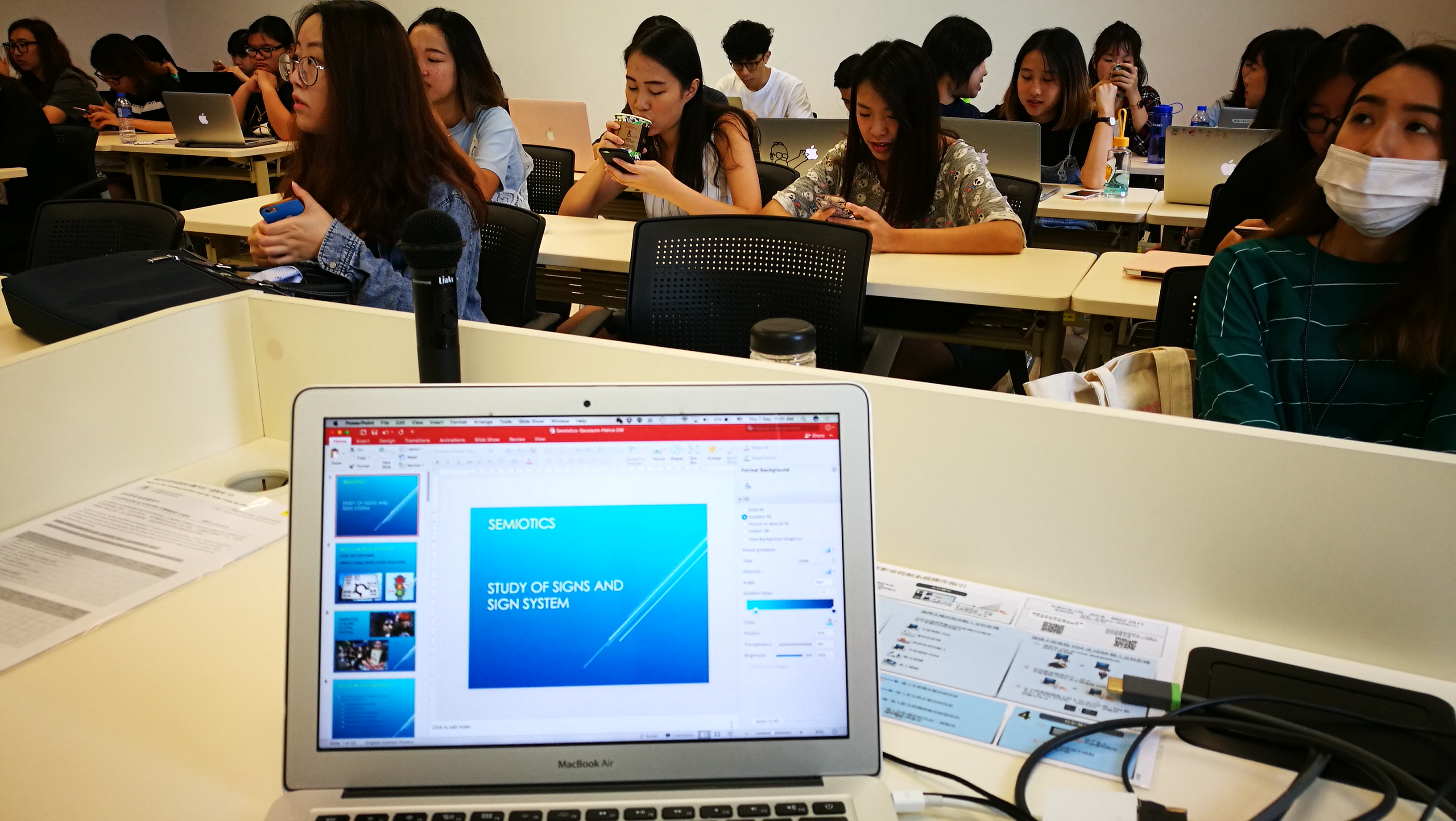
 Dorji Wangchuk