The Last Losar

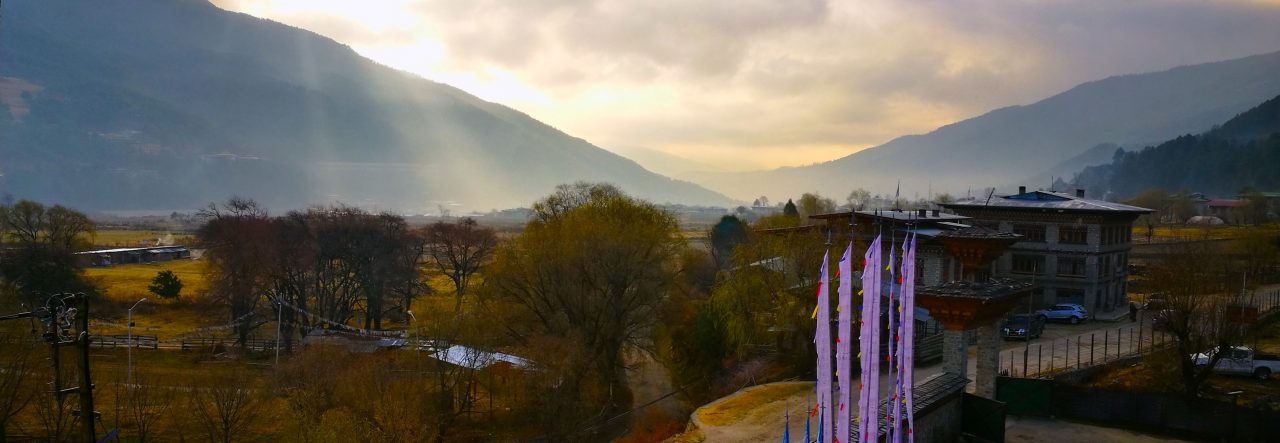
Kyichu, Paro

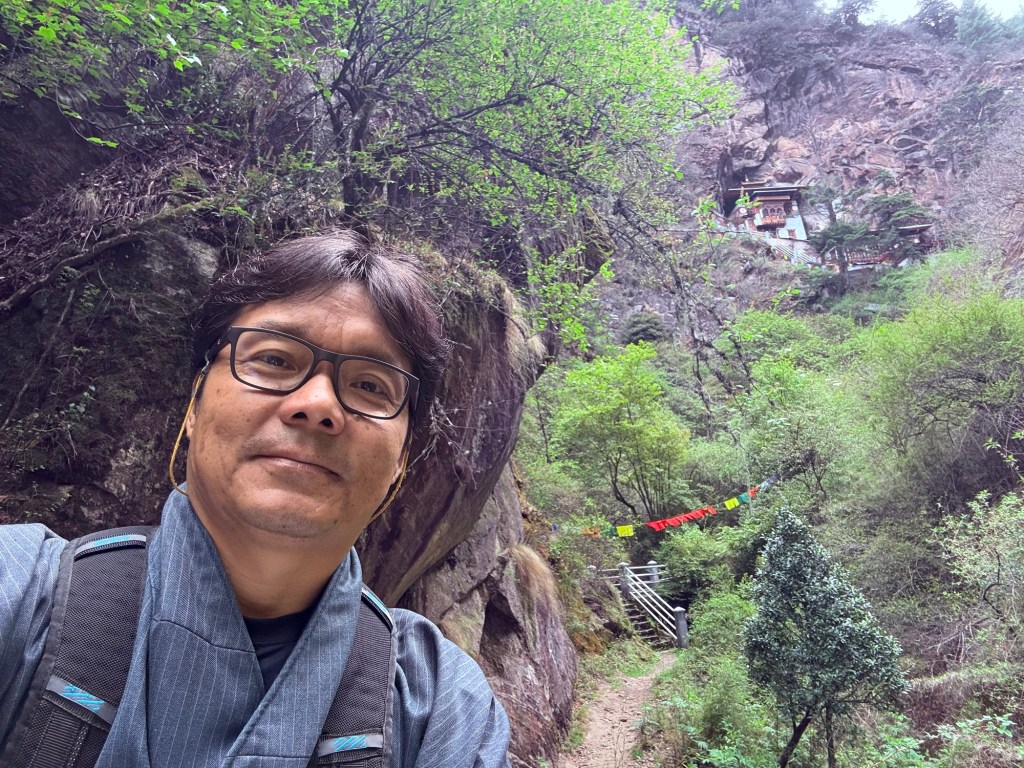
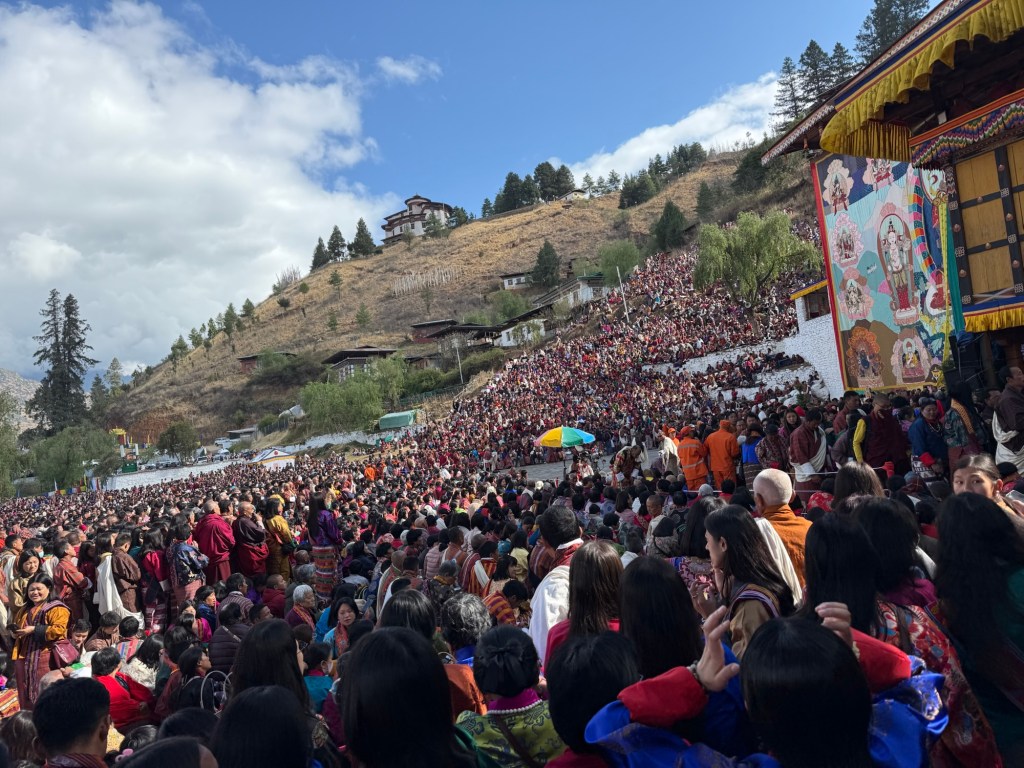
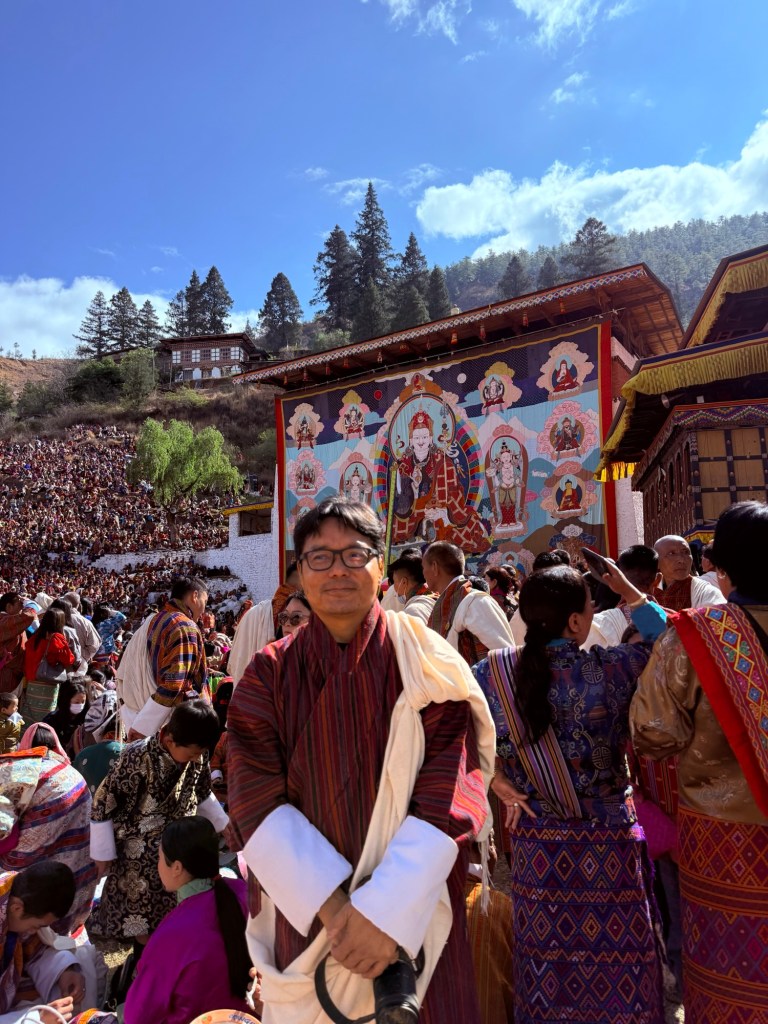
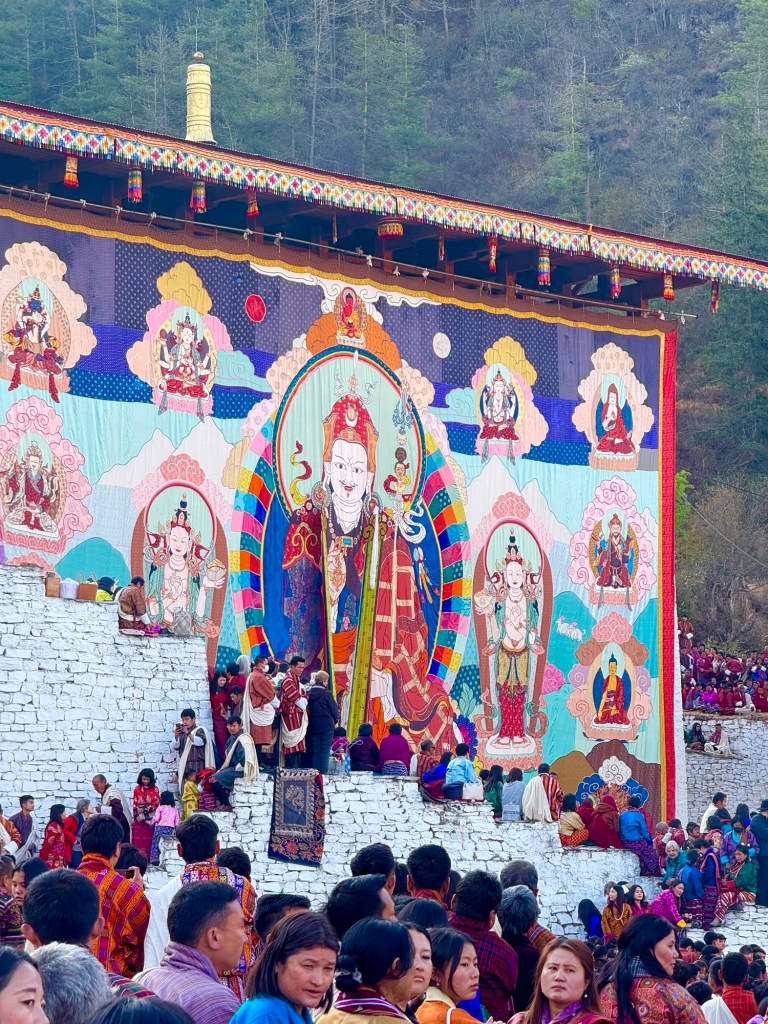
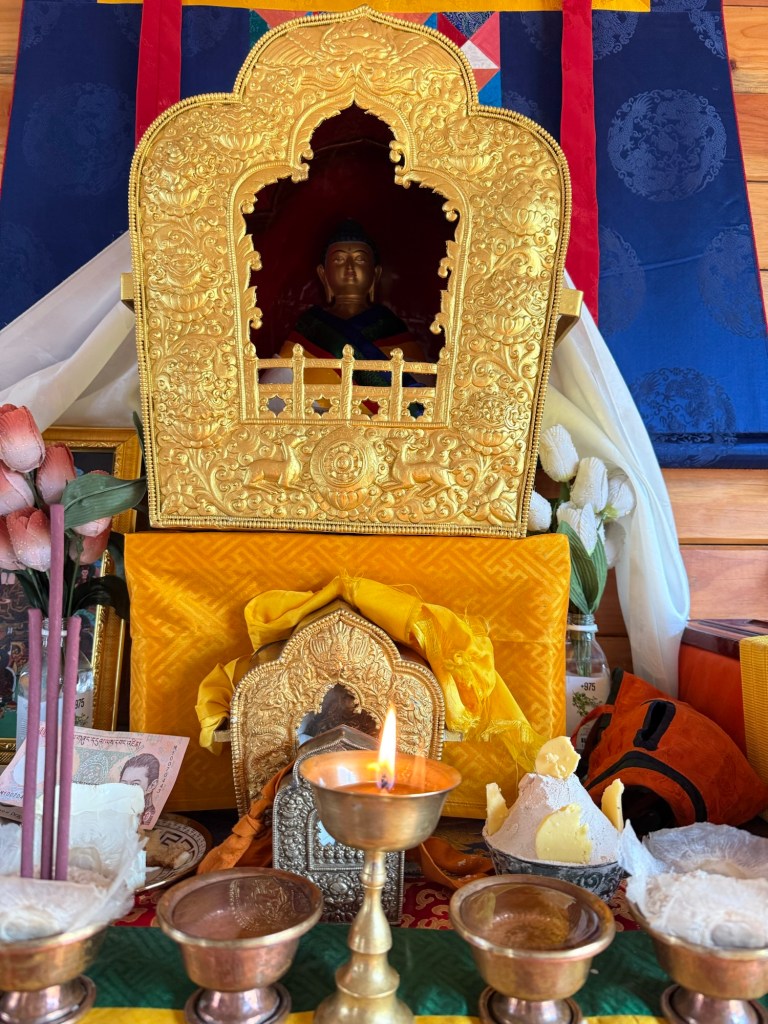
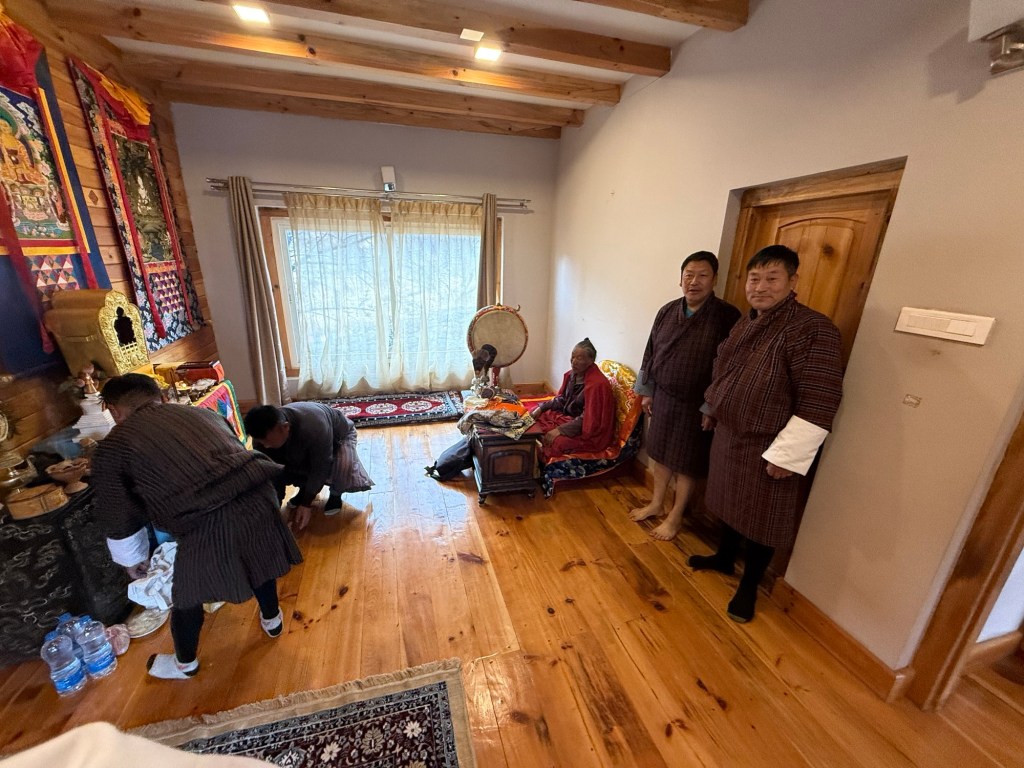
Kicking off the first day of the Lunar New Year – known as Dawa Dangpa, with a lhabsang of a rental in Paro that will serve as my office as well as guesthouse/residence for my local support team.

The “last” New Year.

Interestingly, for Sharchop traditionally this Losar is somewhat a “sad” moment because it is the last celebration before the tough farming season.

The Sharchop people of eastern Bhutan are a happy-go-lucky community that finds every excuse to have a good time.

Starting from the Blessed Rainy Day in September the people in eastern Bhutan engage is a series of celebrations, happy days lasting for six months, such as Ngenpa, Nyilo, Dawa Chunipa, and finally Dawa Dangpa. Coinciding with this celebration the people would go on an overdrive and do merrymaking for a mininum of 3 days.

Time and traditions have changed with urbanization.

👍👍👍

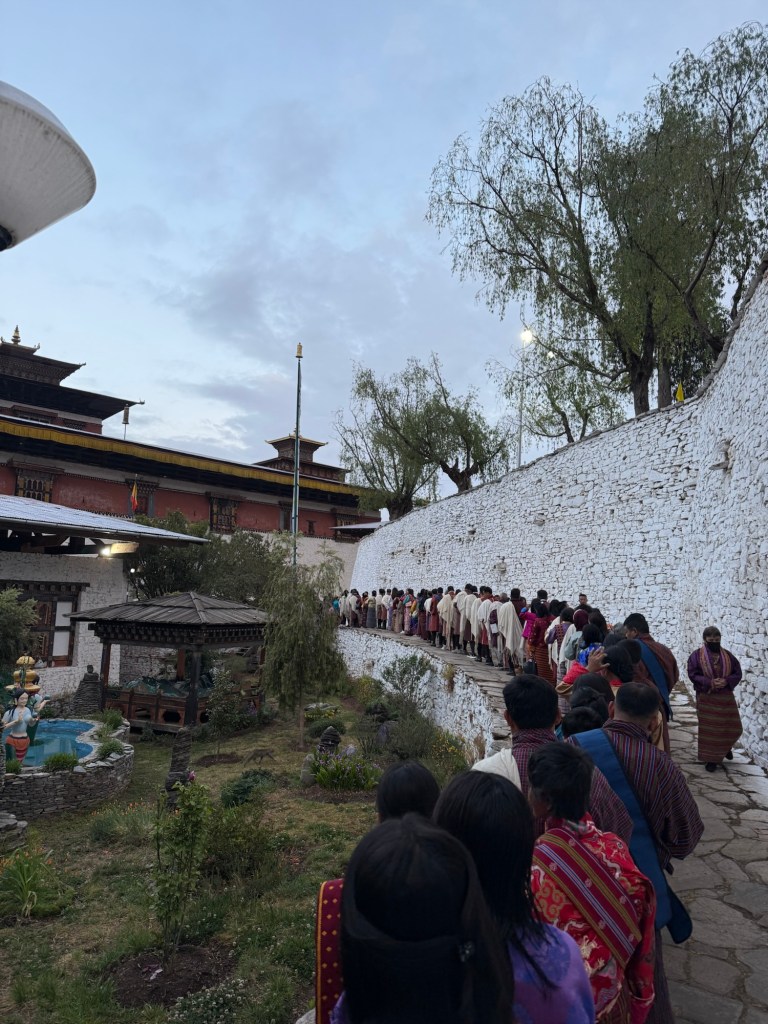
NB: I also visited Kyichu temple (my new neighbour in Paro) to offer gratitude and prayers to Jowo Shakyamuni and to my friend Za Rahula (asked him to take care of my stroke patients).

The Surrender

High society for a day
‘Surrender’ was the word that was popping on my head yesterday as I attended the annual polo match between Thailand and Malaysia. The trophy is known as the Queen’s Cup and all proceeds and donations go to a cancer initiative patronised by Her Majesty Queen Sirikit.

Anyway the point is, my new-found friends from Columbia University New York texted saying they were going for this. I had met them only a day earlier but I instantly connected with them after a brief convo that went like, “You are from Bhutan? My best friend is close to your King”, “I know him. I was chatting with him this morning”, ” Oh my God!”, “Let’s take selfie snd send it to him” and so on.

And so I went after another one encouraged me with, “Oh! You must come. They would love to see you there”. In fact the owners of the club, who were organizing this noble event, welcomed me like a VIP and even included me in their official photo of the award ceremony. What an honour!

Yes. The surrender.

Since Covid-19 killed all my plans for my third career in the academia as a tenured professor, I stopped planning my and I just let the universe take me – putting my faith in myself (to adapt to any new situation), in my Gyalwa-goms (whose blessings and generosity I can always count), and the protection of my lama and my dharmapala – to whom I continue to serve to further the Buddha Dharma.

They say everything happens for a reason. Well, I believe one must actually go beyond and uncover that reason and not just leave and resign with ‘there-must-be-a-reason’. You do it by being open, broad-minded and genuine. “What is the universe trying to tell me here?” One must ask. This way you discover the greater meaning of the reason of every encounter and every moment passing by you.

And yes! I found why I was pulled there. I have had a eureka moment there for my works in compassionate leadership research and education – a field that I am currently working in.

The thing about surrender (there is a book by Michael Singer on this) is you MUST show up authentically – with no ego, with no prejudice, without laziness (I drove over 200km yesterday), without being a miser or mean, and without expectations. And then let the things be revealed to you. Amazing things have happened after I adopted this philosophy of life.

I shared some photos to a couple of my friends and one guy texted, “Damn! From building stupas and making pilgrimages to polo clubs that’s a big jump. What a progress!”

Well, it is because I just surrendered.

😁😁😁

(NB – Gyalwa Gom is another local term to refer to enlightened monarchs and fore-bearers)

We run our own race – fight our own demons.

I read this post by His Eminence Namgay Dawa Rimpoche, one lama I have begun to respect.

I read it again, and again, and again. Thank you, Rimpoche, for sharing this and for the vulnerability. Learning about your health struggles was humbling, and made me grateful for my own health and life, which as you say some people take for granted.

“We all face our own battles, often silently. We don’t always show the world the pain we carry, the struggles we endure.”

This line hit me hard because it is so true. We are all fighting our own battles. And yes! I have been fighting mine too. And finally, I won after 12 years. (check my earlier posts)

Courage. Compassion. Fear.

In my current line of work, I have also dealt with celebrities and hundreds of net-worth individuals – some of whom were billionaires. I must say each one of them is fighting a battle of some sort. Everyone has a demon they are up against – some are unthinkable, some laughable – but suffering is subjective.

To anyone who may be going through, or have gone through, an ordeal of your own, I wish you courage. I wish you courage to come out of it unscathed.

To everyone else I also wish you courage too because fear, I have realised, is the opposite of compassion.

The opposite of compassion is not cruelty. It is fear. We fear being judged, we fear being seen as weak, we fear being labelled for sharing our story – and we fear when we think of practicing compassion on someone. Especially when we are in some position of power where we fear losing the privileges for breaking a rule to save someone.

May the divinities protect Rimpoche’s health, and bestow him the longest a human has ever survived, for the world needs more compassionate beings like him. His humour is a bonus to humanity. His honesty is a national treasure.

This thing called success.

And to the people who feel they are struggling with their career, or life in general, please remember that your “failure” (whatever this means) is not due to someone’s “success” (whatever this means too). Each one of us is running our own race.

You don’t judge them either because one never knows what the other person is going through, have been through, or how much people have endured to get where they got.

More importantly, there is no such thing as success or failure in life. There is just.. life. And you gotta enjoy it while you are alive. Cherish every moment. Laugh while you can, and don’t be mean to anyone- if you cannot do good (my illiterate mother’s advice).

You are already successful if you are alive. For instance, one high-school student whom I have been sponsoring the studies just got diagnosed with leukaemia (blood cancer).

Think how lucky you are that you just completed reading my post in good health. Think again, and then slowly read Rimpoche’s post. Read them three times, at least.

🙏🏻🙏🏻🙏🏻

To the Altar before Self

As a child growing up with a lama-grandfather, whenever we started off our meal, I was told to first offer it to Kencho Sum (Three Jewels; དཀོན་མཆོག་གསུམ; Skt. Triratna). So, every morning it is customary for us to offer food first to the altar before the family eats. And furthermore, before we take the first bite we place a few grains of food outside the plate for the unseen spirits like the hungry ghosts. Before we drink we pour out a drop and invite the unseen beings to join in. It is others before self. Always.

When I landed my first job, I was reminded incessantly by my father to offer my first salary in entirety to Kencho-sum – through our family lama, Rangshikhar Rimpoche. He believes that the divinities and the universe will root for my success and happiness if I did that. I think he was right. I did have a fair amount of success – whatever that means.

Later, or in the past decades, I changed a couple of jobs and every time I received my first salary, or the first contract money, I offered it to Kencho-sum without spending a ngultrum.

So, in line with this tradition I have offered my first paycheck this time too for a full-time gig that I have started last month. My modest salary was divided and offered to the temples of my birth place in Tashigang, and to my lamas, who represent the Three Jewels. Besides, I invoked the blessings of Semtokha Dzong in my current city of residence, and from my personal yidam, Palden Lhamo, in Rukha, plus from the deities and divinities of Nyechen Dongkala and Tashigang Dzong. I sent offering to all these places from my first salary.

I also shared with the little nuns of Dorje Phagmo dratshang in Zhemgang (No pictures to protect their privacy).

In the process, I have also received the annual blessings from my three Perfect Teachers, and so, I am all set for a successful year of travels and teaching life.

I have often been asked how to teach compassion to children. Honestly, I have not thought about it. However, compassion is about empathising with someone’s suffering and taking an action to alleviate it. Empathy starts with recognising the presence of others in our lives and in everything we do. It is about thinking of others all the time before self.

May all sentient beings find their way towards realisation with this small act of goodness I learnt from my father and my grandfather.

(Most photos are from my lightning trip to Zhemgang, where Dorje Phagmo is preparing for the annual Phurpa Tordok rituals for the wellbeing of the country. You may donate if you wish)

Traditional Day of Offering

In Bhutan a popular national holiday is the Traditional Day of Offering. Locally known as buelwa phuewi nyim (འབུལ་བ་ཕུལ་བའི་ཉིནམ།) it commemorates the day when, during the medieval era, the three regional governors of Bhutan paid their homage and tributes to the central theocratic government that was headed by Zhabdrung Ngawang Namgyel in Punakha Dzong.

With a day late (I am always late) I paid my homage and tribute to our founding-father in Machhen temple and invoked his blessings for a super successful year for our King, people, and country.

A few months back when I was teaching the courses on Buddhism and iconography to the Dessups who are training to be cultural guides, I urged them to visit the sacred Machen Lhakhang once a year – irrespective of their faith or religion – and simply by the virtue of being a Bhutanese. For, he is the founding father to whom we must express gratitude.

May we be blessed into usefulness for all sentient beings.
🙏🏻🙏🏻🙏🏻

Keep Giving. Keep living

My traditional New Year got off to a nice start with this post from somewhere – helping bring a little less suffering to someone I have never met from a place I have never been.

Actually, I had forgotten about this. It happened a month back. I was into something busy, when a social worker I know texted me to help acquire a wheelchair.

I could call up somebody in our health system and get one for free but that might deprive another person of the free service, and really how much does a wheel chair cost? Somewhere in the region of 10,000 I was told.

“I will send you a little more. Get the best one.” I told her. “And please keep doing what you are doing.”

These people inspire me. They do, because as much as my heart went out to this unknown person who needs a wheel chair (life must be hard), my rational mind told me I should keep supporting people like Goldy who are giving something we all have – time. For, generosity is not just about money. You can share your time, knowledge, skills, wisdom, and many more.

Thank you, Goldy Layo Rai and all the people out there who are giving away your time and energy to make the life of another sentient being better.

All our collective works and thoughts make our own lives worth living. It brings immense joy and fulfillment. In fact there is an old Bhutanese saying – You don’t only do good to others. You do it for yourself.

Losar Tashi Delek to all.

Keep giving! Keep living!

🙏🏻🙏🏻🙏🏻

Life in a fast lane

Back home for Bhutanese Losar (New Year) after dropping a VIP guest and after a couple of business meetings in Bangkok.

Came back home with a heater. It is so cold in Thimphu these days 🥶🥶🥶

Happy Losar to all – especially to the other half of Bhutan from Pele-la and beyond.

Life has moved in the fast lane again for me. Yup! After listening to the National Day address I decided to come out of my early retirement and self-imposed isolation, and do what I can and when I can.

Lots of travels, a couple of new countries, 3 conventions and two academic conferences in the calendar.

#lifeonthefastlane #bangkokthailand

To Gelephu and back

Our youth may be the future but we – my generation, are currently the leaders with the power, experience, resources, networks, wisdom, exposure and knowledge. How about we channel them to help fulfill this royal aspiration of the world’s first mindfulness city? How about even if we as private citizens come together?

So, I am on a chartered flight with some potential investors to the Mindfulness City. My second such flight. This time I also took the opportunity to fill up the plane with my teachers, and with few ordinary people who work for me and who have never flown before.😀😀😀

Fortunately the flight was smooth. Otherwise some of my Bhutanese guests would have passed out. This aircraft does not fly enough to avoid the mountain wave gushes. This flight was very ably piloted by the first father-daughter pilot duo of Bhutan – the veteran, Chenda Wangchuk, and his daughter.

A huge gratitude to the newly-appointed Governor Dr. Lotay Tshering (he even humbly drove us around) and the Thrompon and his team for hosting us from the moment we landed to the time we took off again.

Thanks also goes to my old friend from gokha days, Dasho Dubala, for the Riwo Sangchoe rituals which he had organised right on the day we visited. What a beautiful coincidence! It was not planned at all. This type of synchronicity (madribi tendrel in Dzongkha) augurs well. I was told that as we were setting there for a reception tea, a vulture circled over us three times and then flew away.

😎😎😎

(NB – My next article on GMC is titled: What is this “mindfulness” in the mindfulness city?)

Palden Lhamo torma for Rukha

Ever wondered what is behind the closed doors of the sacred Goenkang (chamber of the tutelary deities). Well, there are many religious objects, and the most important ones are the tormas that represent the particular protector deity.

Torma (གཏོར་མ་) generally refers to the dough and butter sculptures, which are made during and for religious sermons in Buddhism. The word, torma, comes from two words tor (གཏོར་) which means ‘casting away” of impurities, defilements and negativities or giving away selflessly to all sentient beings with the kind of motherly love, and hence the second word, ma (མ་), which means ‘mother’.

A legend goes that the Torma tradition was started by Ananda – Gautama Buddha’s cousin and attendant. Story goes that he was once meditating in the forest when a ferocious hungry ghost appeared to him and wanted to eat him. Ananda ran to the Buddha and told him what happened. The Buddha advised Ananda to make an effigy of himself and offer it to the hungry ghost with prayers and compassion. Ananda did that and the hungry ghost was appeased. The tradition of Torma was then established.

As Buddhism flourished and took different forms and sects, so did the shape and scope of torma evolve to embrace the local traditions, cultures and beliefs. Today in Vajrayana Buddhism world, there are many types of torma such as lütor (གླུད་གཏོར་) or the torma with effigy, chutor (ཆུ་གཏོར་) or torma with water, lenchag torma (ལན་ཆགས་གཏོར་མ་) or torma for karmic debtors, lutor (ཀླུ་གཏོར་) or torma for nāga serpent spirits, or gektor (གེགས་གཏོར་) or torma for the obstructing evil forces.

A type of tormas is the representations of the devas and the deities. The shape of these tormas vary from one to the other depending on the deity the torma represents. These types of torma includes the yidam torma (ཡི་དམ་གཏོར་མ་) representing enlightened deities, chökyong torma (ཆོས་སྐྱོང་གཏོར་མ་) representing protector deities, and zhidak torma (གཞི་བདག་གཏོར་མ་) representing local territorial deities. Some of these torma, especially when they represent the tutelary protector deities, are kept hidden in the shrine.

The one in the picture is of Aum Palden Lhamo (Sri Devi) – one of the Eight Great Dharmapalas in Tibetan Buddhism and her retinue, and which I commissioned for Athang Rukha (abode of Palden Lhamo).

These tormas are made from incense powder and water collected from holy places around the Himalayas. Today on the post-ngenpa guzom day, coinciding with Tara Day, I offered it to the temple there. May our supreme protector deity guard us, as we embark on an ambitious venture as a nation.

JO RAMO JO, RAMO JO JO, RAMO TUNJO, KALA RACHENMO, RAMO AJA DAJA, TUNJO, RULU RULU, HUNG JO HUNG

Buddha’s barber

It is not every day that a National Medal winner does your hair, but here in this Country, you can, because the medallist is back to his work. Nothing much has changed in him, except he has become more motivated in what he was already doing.

Today I took the opportunity to congratulate a fellow Tashigangpa and an old friend from Tashigang street football days, Mr. Ugyen Deepak, on being honoured by His Majesty the King with the prestigious National Order of Merit on the National Day. His recognition is a testament that you don’t have to hold a high position or status to be recognised, or to serve the nation.

Deepak was born in Trashigang, and spent more time there than me. Our fathers were friends. Now, he knows more of my relatives than I do – all my distant nieces and nephews. He is an institution in Trashigang, but now he is also a national figure – a role model and a teacher to many young Desuups. 

He misses being in Trashigang but says, “duty calls”. So, he is taking a short leave soon to go there to report to protector deity Gara Wangchuk, because he has been away for a long time. His wife understands “but the local deity may not. You know that!” he adds. We planned to cost-share the appeasement rituals he would conduct to our common birth deity.

Today, as we were chatting and catching up with our lives and families, and how he felt being bestowed with such an honour by the Highest Office of the land, I remembered an earlier conversation we had. 

I once asked him what was one golden piece that his father, Thakurji, gave him. Without a second thought, he replied, “My father told me whether I wanted to become an engineer or a doctor, it was my choice, but as far he was concerned, I should never abandon the scissors and the comb. Because that is what our forefathers did. That is where our yang (fortune) lies.”

He chose to honour his father’s advice despite being a brilliant student. 

The story goes that his ancestors were barbers to Gautama Buddha. Maybe that’s why his father insisted. I am sure he must be smiling down on my friend.

Joining everyone in congratulating him and wishing him a long, healthy life of service to our King and youth.

🤩🤩🤩