The Wisdom Keepers Club

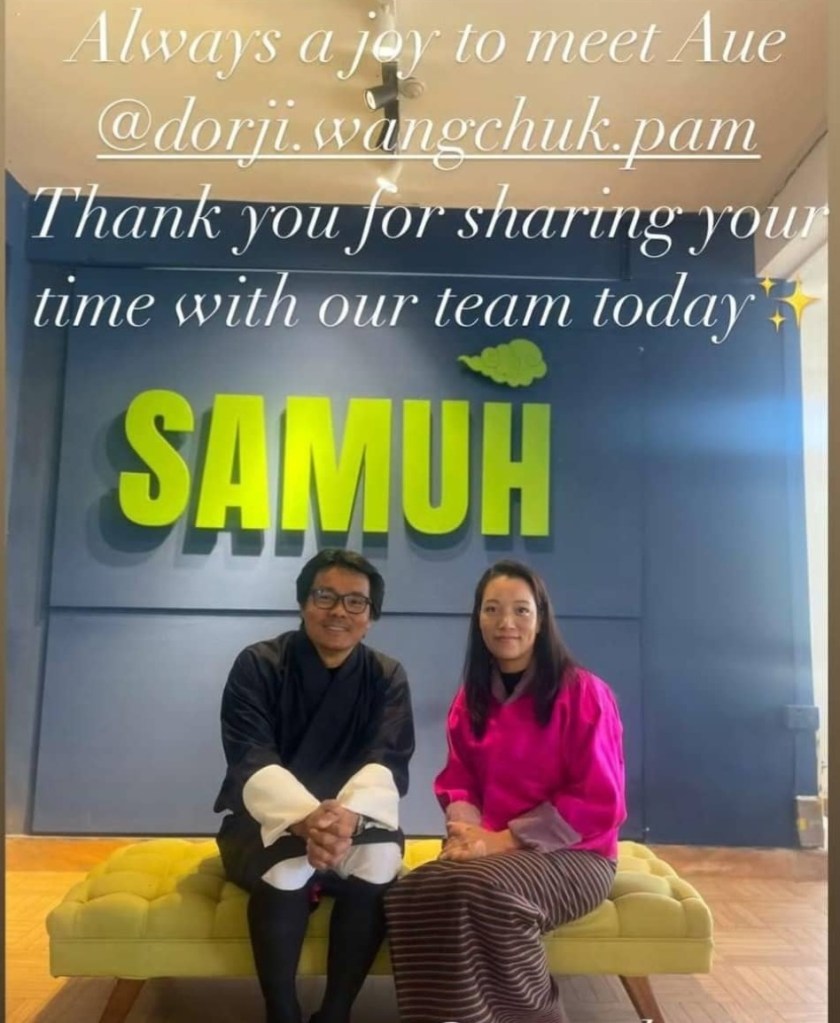
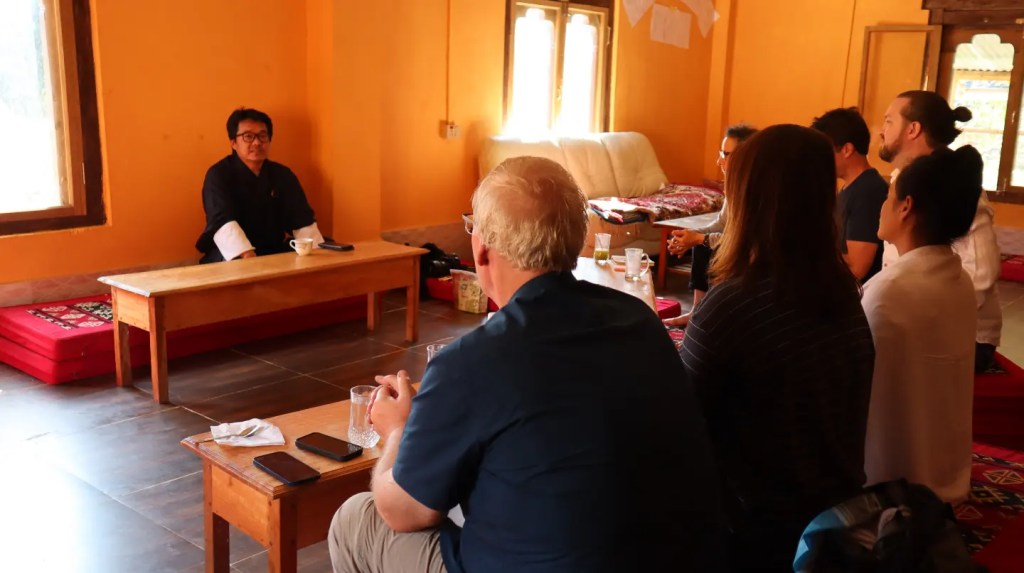
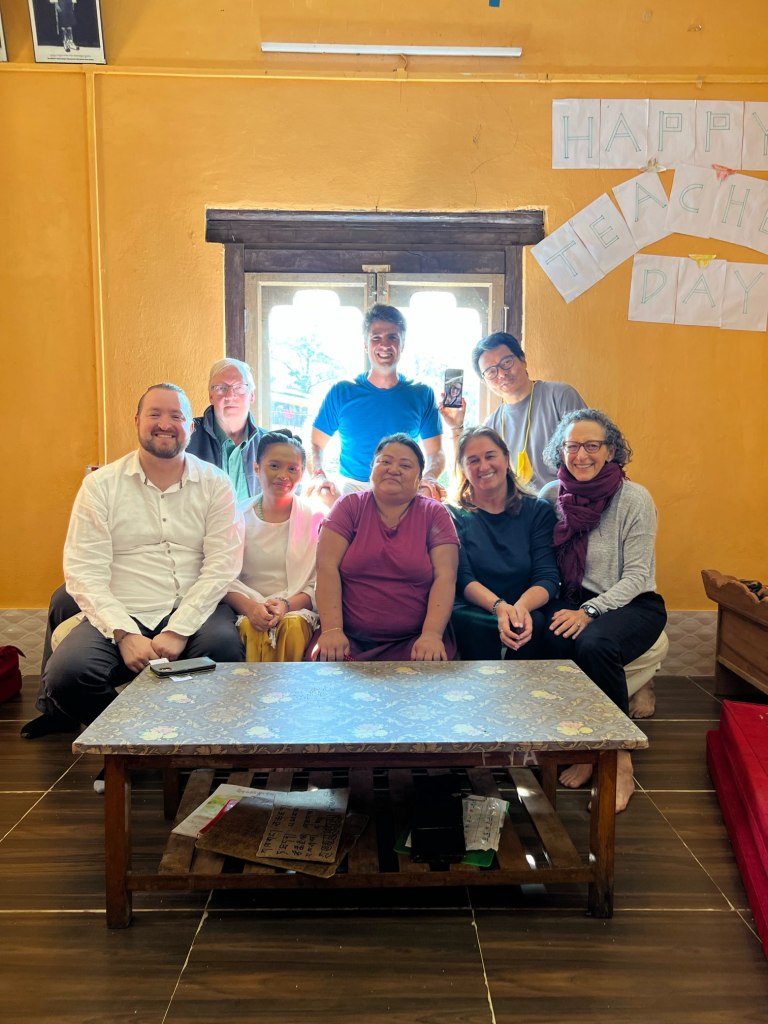
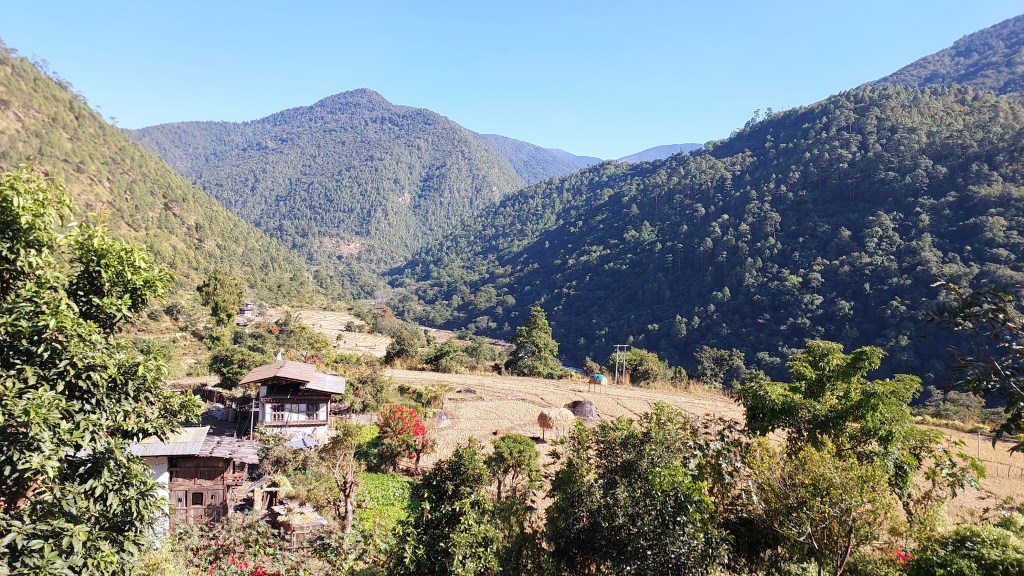
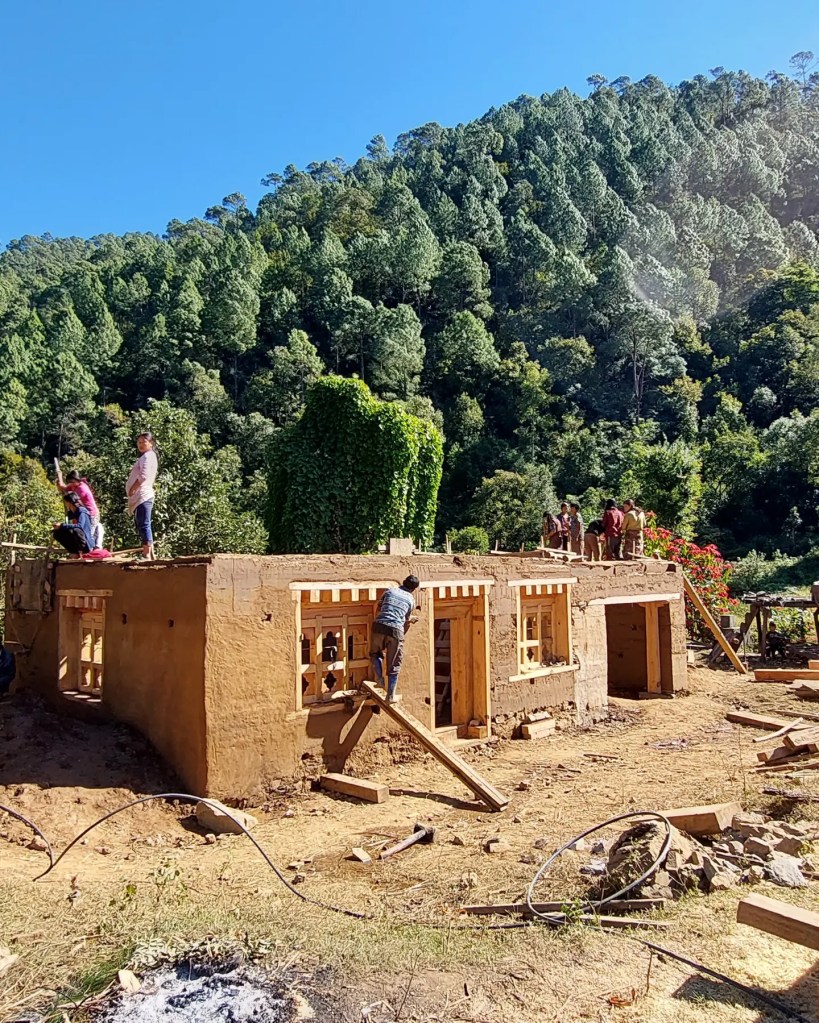
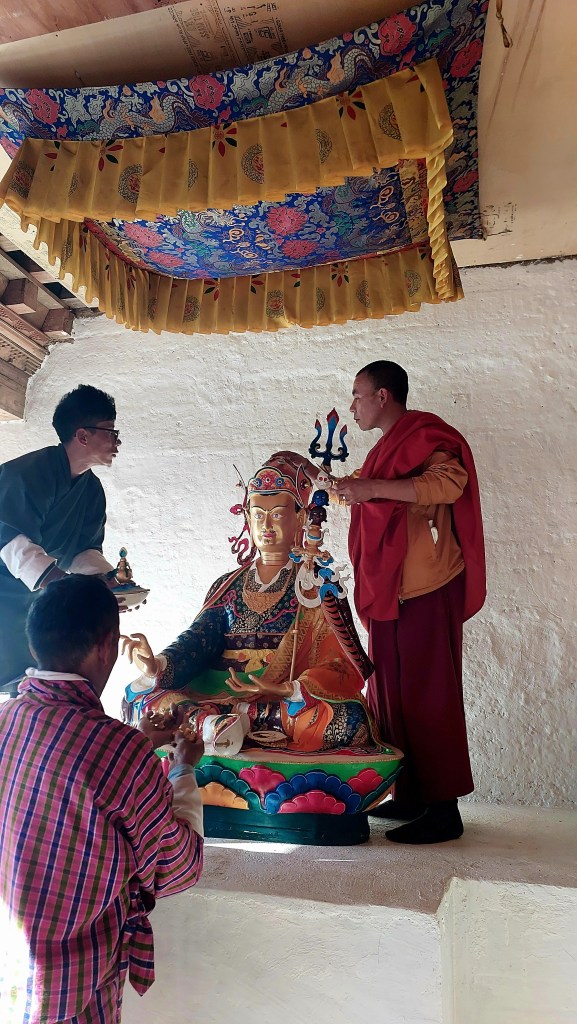
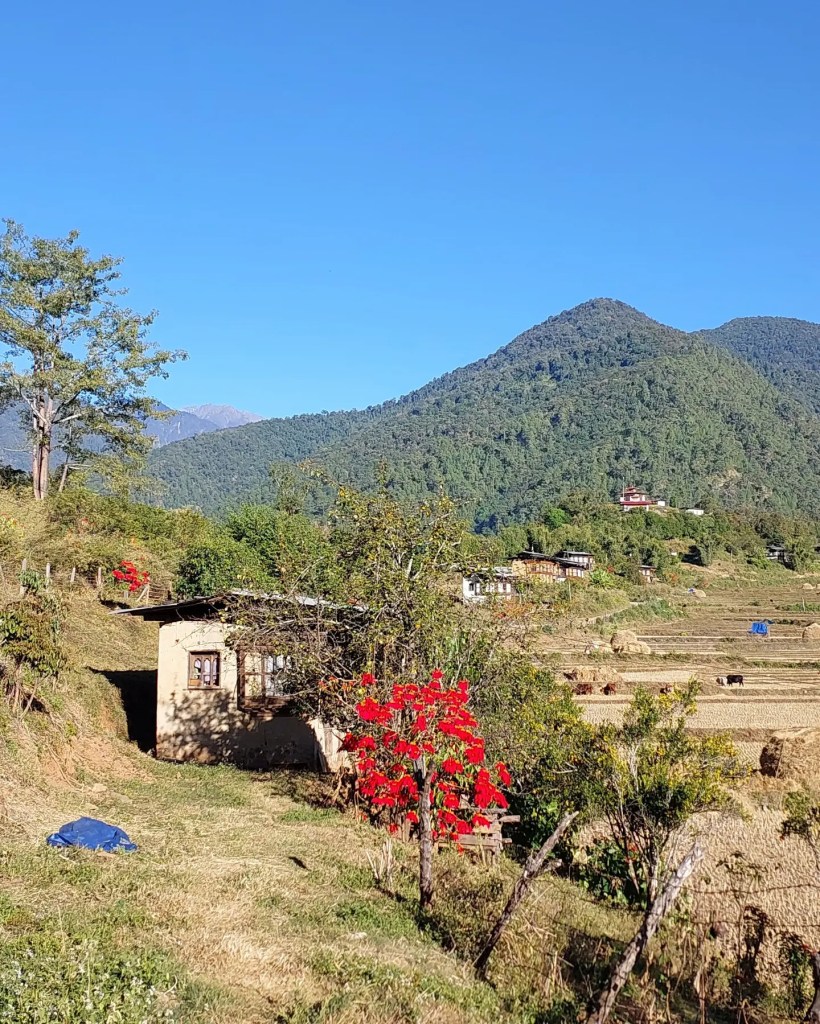
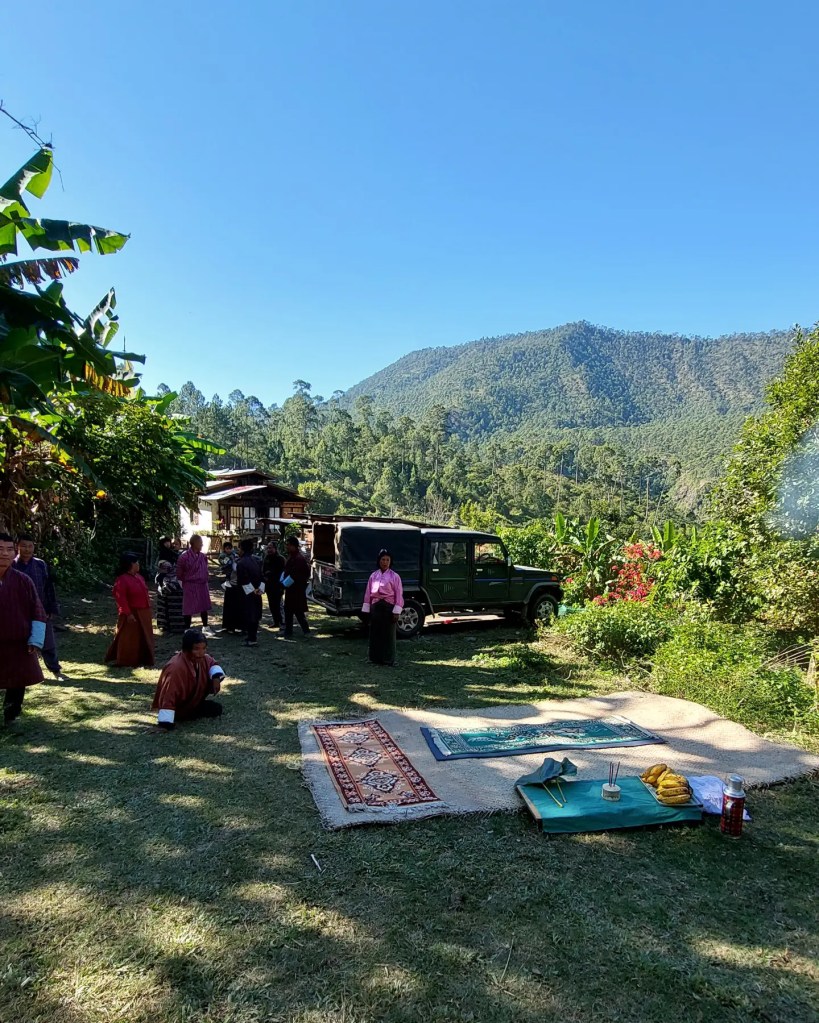
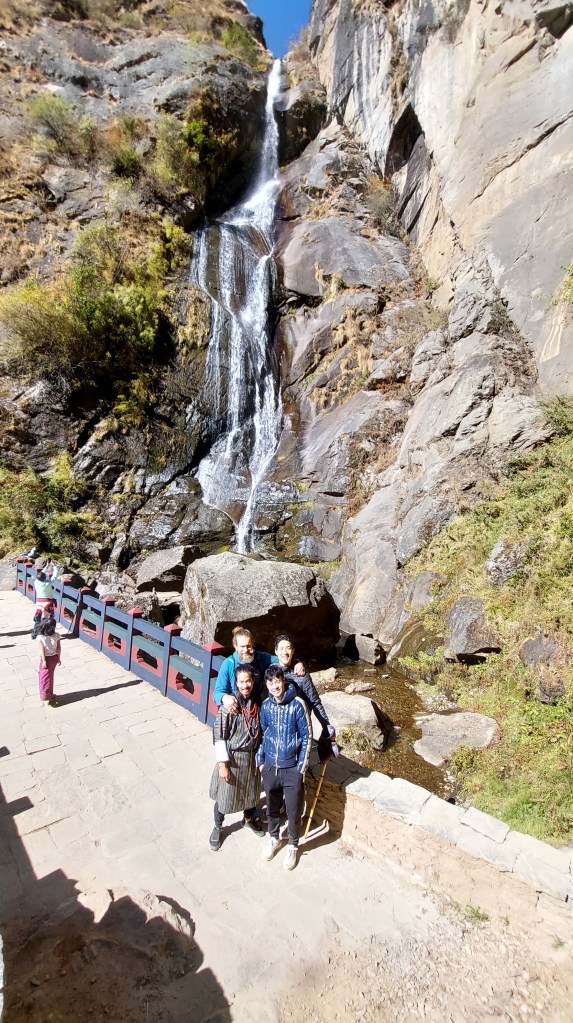
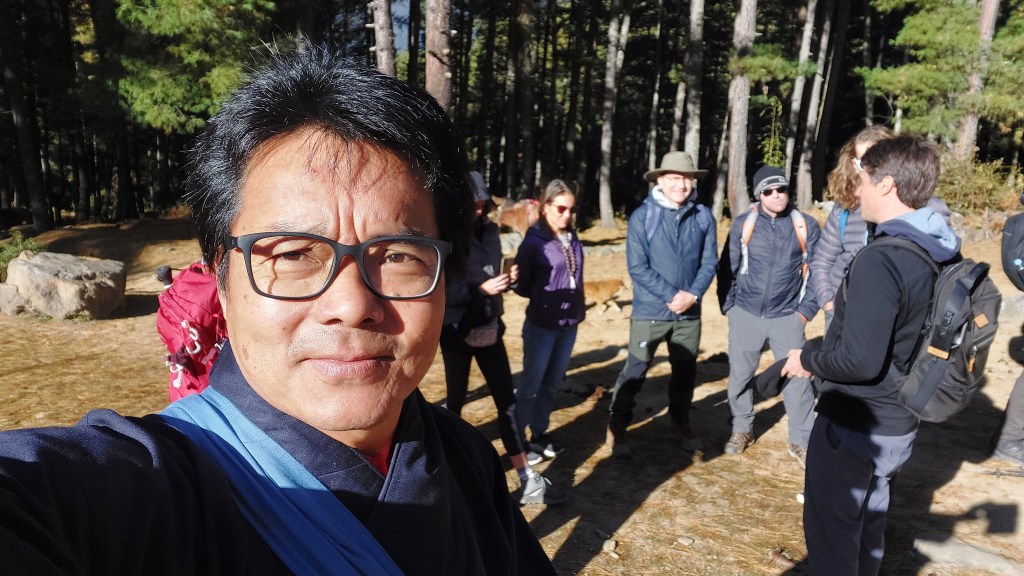
In the picture are half of the self-appointed wisdom keepers, a club of friends from five countries who believe in the importance of ancient and traditional wisdoms for the present and for future generations.

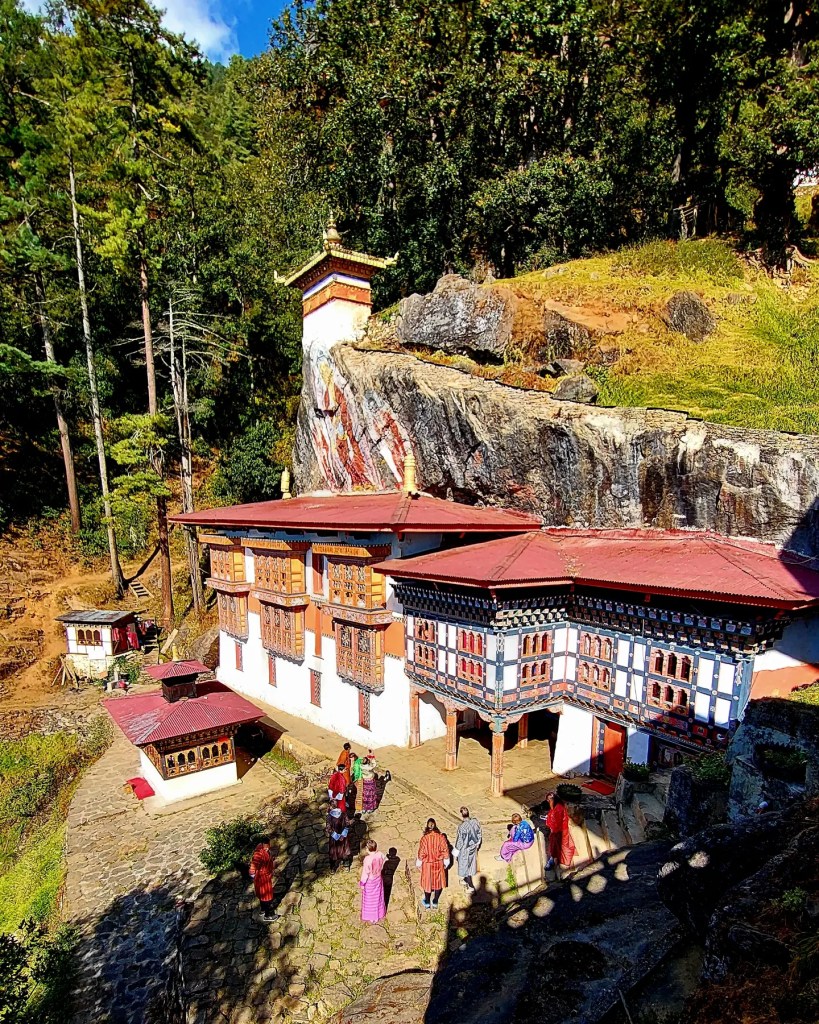
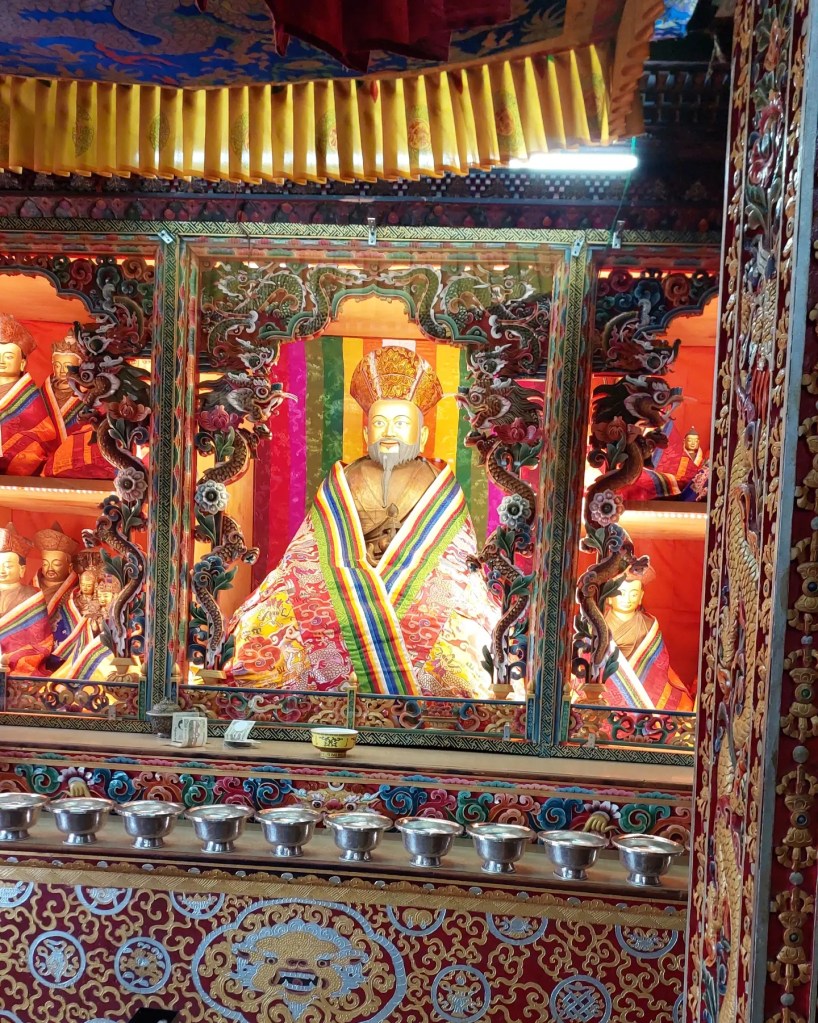
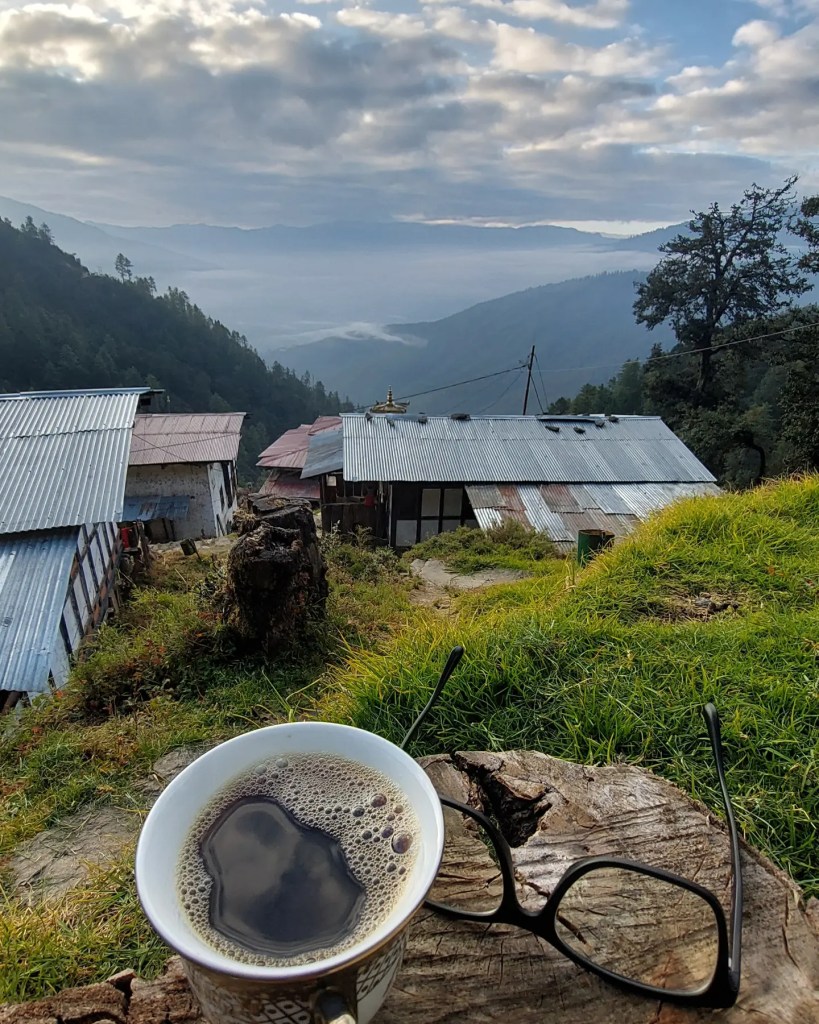
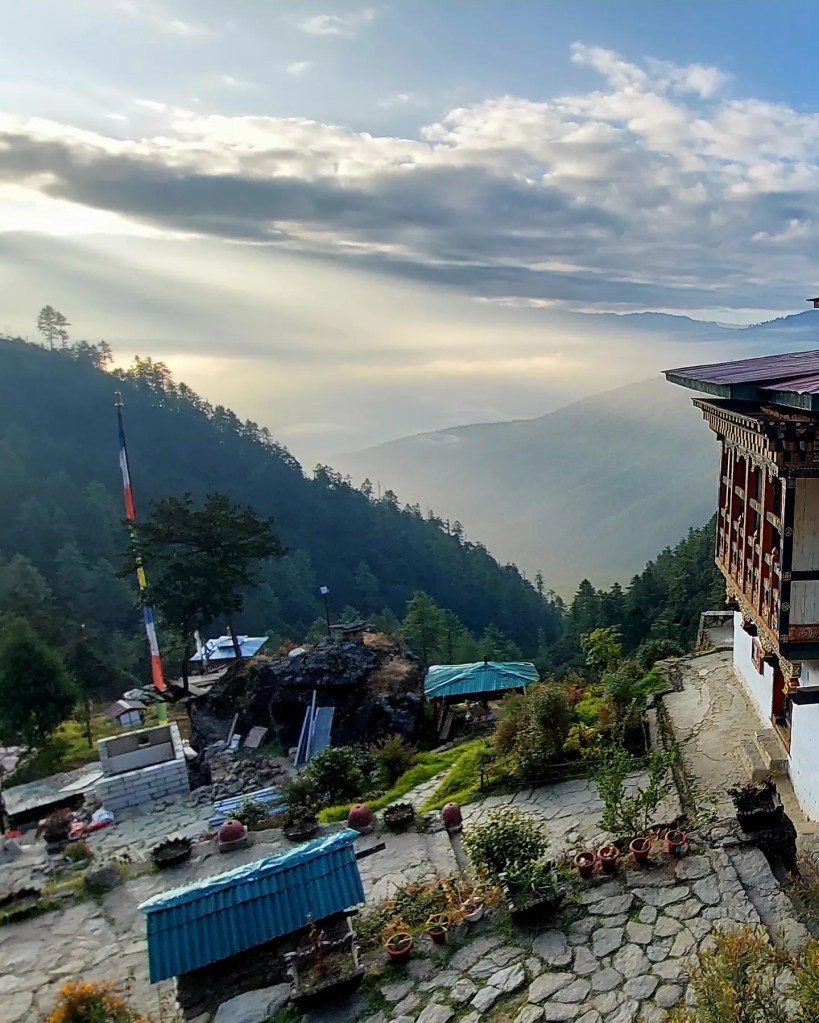
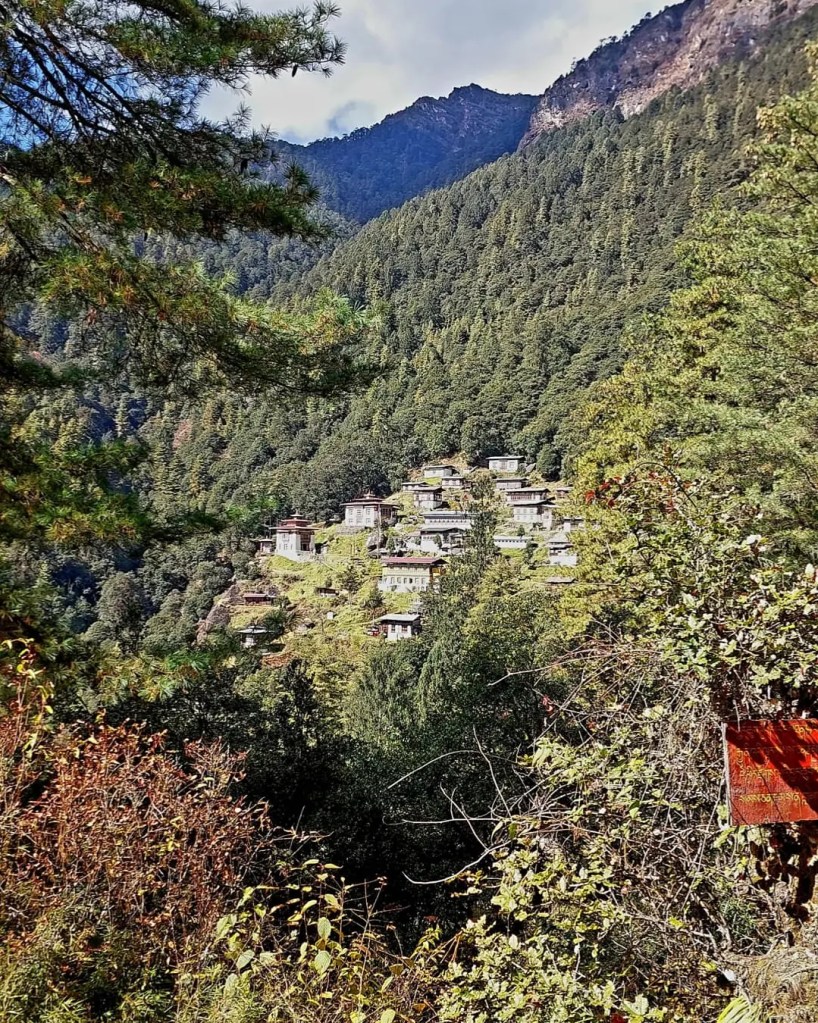
We just had an amazing first meeting in the wilderness of Zhemgang – in a 8th century temple complex. It was my idea to host it there and not in a 5-star hotel in Thimphu or in Paro.

Now we are absorbing the power, blessings and wisdoms of Bumthang. Of a nyeb (territorial deity) that stole the life force of a king, and of a stone pillar that served as a seal by Guru Rimpoche to subjucate a tshomen (lake deity). Or of speaking statues, fire burning inside lakes or temples built in one night. It is through the interest and curiosity of those who don’t have such rich stories and legends that we also learn to appreciate what we have.

Homo sapiens survived because they used stories to create shared beliefs, so claims Yuval Noah Harrari in Sapiens. The story of fairies building the statue of Guru in Tamshing, of Bhutanese forces defeating the Tibetan invaders in Batpalathang (mispronounced from Baep-lepthang, which means where “Tibetans were crushed”) are stories that united and defined us as Bhutanese communities.

Every story carries a theme, a moral or a wisdom from our ancestors – of cooperation, commitments and of compassion. Myths and legends encourage to find the balance between the good and bad, between the light and darkness, and between the Yin and Yang – and not the vanquishing of the what are perceived to be bad or evil. They make humans as interdependent and integral part of the six realms – and not as the undisputed masters or as unscrupulous exploiters. These wisdoms are something that we need to preserve and pass on to the next generation.

May the legends and the stories live on.

#ancientwisdom #traditions #storieswetell #identity #bumthang #guru

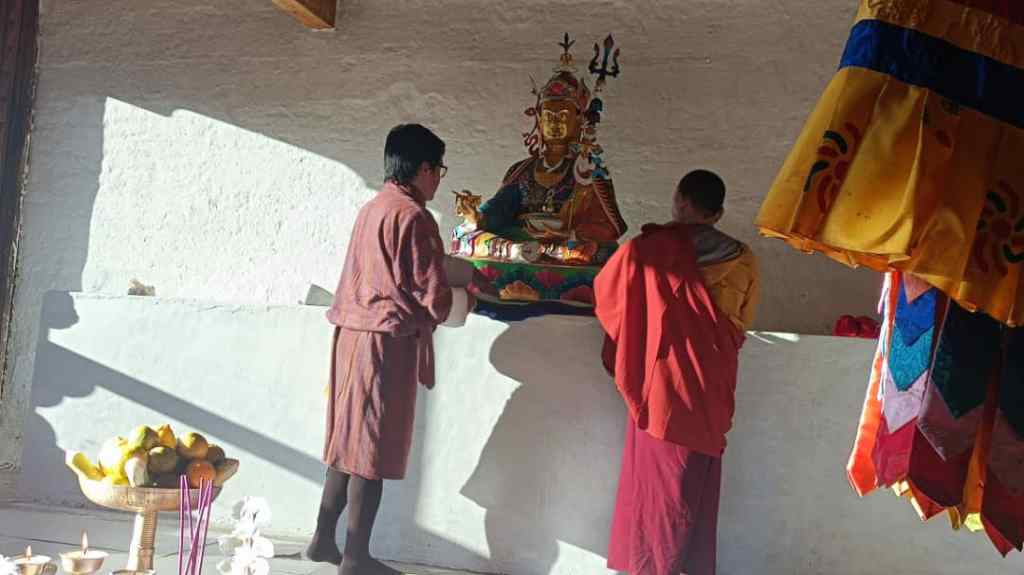
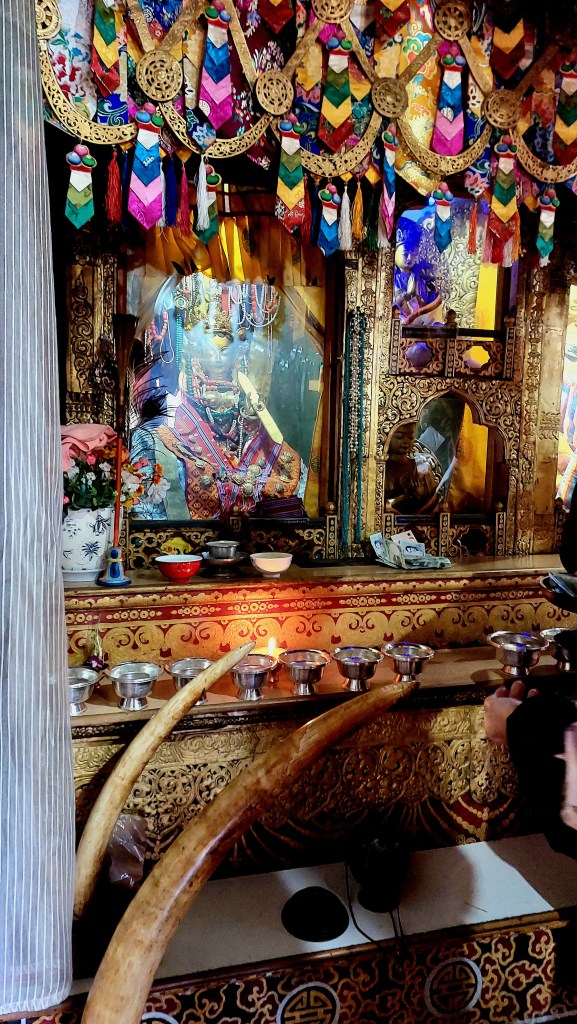
The wisdom keepers receiving blessings and Buddhist wisdoms from Dorje Phagmo Rimpoche
The Wisdom Keepers with Dorje Phagmo Rimpoche in Zhemgang

King’s Sacrifice

Sampa Lhendrup Lhakhang, which literally means “intentions fulfilling temple”, in Kurjey was built between 1894 and 1900 by the first King of Bhutan, Ugyen Wangchuck. It contains the biggest statue of Guru Sampa Lhendrup – the wish fullfilling Guru Padmasambhava.

Story goes that at the time of consecration, King Ugyen Wangchuck, who was still Trongsa Penlop (Governor) then, conducted a special ritual that involved generosity and loving kindness practice.

During the 3-day ceremony all attendees, even ordinary farmers, were invited to enter their palace (read as residence), Thinley Rabten, and take away anything they liked from the house. One item per person, was the only rule.
At the conclusion of the ceremony, it is believed that the palace became empty, and everything was taken away. The King-to-be and the consort, Ashi Rinchen Pelmo, subsequently went without proper food for a couple of days. When the servants served a broth of some rice salvaged and collected from the floor of the store and the house, the defacto King and Queen of Bhutan are believed to have said that that was the best meal they had.

Thinley Rabten, that residence is also no more. Probably it got depleted and abandoned thereafter. It appears only in the oral history of the locals as having been connected by the first motorable road from there to Wangdicholing palace.

Stories of such sacrificed by the Kings of Bhutan are plenty, and the Bhutanese tend to take it for granted.

The Sampai Lhendrup temple, as the name would have it, is a wish-fullfilling one and prayers and moelams made here are believed to be answered. In fact there is also a large statue of Guru facing the door, and facing towards the North, which was commissioned by the Second King of Bhutan to ward off possible invasions from foreign forces during the Tibetan Uprisings of the 1950s.

Source: Late Dasho Karma Gelay to the author

(Picture – Monks returning from lunch break in Kurjey.)

Guru Sampai Lhendrup Temple is the one in the middle

Towards Kheng Rig Namsum

Beyond the golden ricefields and the last ridge is Khengrig Namsum.

Literally meaning The Three Mountains and Three Skies of Kheng the region is also called Zhemgang. While Zhemgang is the district centre, Kheng is still the name of the area, and the people are referred to as Khengpa.

The remoteness means that this region was slow to stay attuned to the modernation process that the rest of the country got into. This is, of course, a paradox because Zhemgang is centrally located but totally god-foresaken.

But maybe that’s a good thing. Afterall if development is creating a concrete out of the lush green forests or golden ricefields, I would prefer the latter. If modernisation means living in a house where you don’t know your neighbour, I would prefer a place that has nothing but at least a care and concern, and sharing.

“Get out of Thimphu once in a while”, I tell just everyone since over 20 years, “That’s real Bhutan”. This advice is only getting wiser and current as modern ills such as traffic, pollution, road rage, materialism and hypocrisy catch up with the country that was once called the Last Eden, at the United Nations.

But the last Eden there is. Actually Bhutan minus Thimphu is still the last Eden. And Khengrig Namsum definitely is.

#Bhutan #LastEden #Zhemgang #Trongsa #Langthel #ricefields

Jowo Durshing – and the genesis of Bhutan

The imposing mountain that you see in central Bhutan, south of Trongsa, is called Durshingla. It is home to the powerful deity, Phola Jowo Durshing. So the peak itself is simply referred to as Jowo Durshing.

Jowo Durshing is invoked by the Monpas of Trongsa, Bertips (originally Monpas) of Zhemgang, Rietips of Sarpang, and Oleps of Wangdue – and other ethnic groups living in and around the Black Mountain area. Jowo Durshing is visible from these four districts of Bhutan.

Since the Oleps and Monpas are the earliest, or the orignal inhabitants of Bhutan, Jowo Durshing is probably a Bon/Animistic deity that was later inducted into the pantheon Vajrayana Buddhist protector deities.

According to Lhoi Choejung by Lopen Pema Tshewang, Durshingla emerged as the Indian tectonic plate collided with Asia, 50 million years ago. Our sacred country was subsequently formed around this peak. In fact, a lower peak, to the southwest of Durshingla, in Athang gewog, is Tsendaygang (Cypress Peak), which gave the country its medieval name, Lho Tsenden Jong (ལྷོ་ཙན་དན་ལྗ྄ོངས་), which was later named as Drukyul by Zhabdrung Ngawang Namgyel in the 17th century.

Durshingla is part of the Black Mountain range. The word, Black, is derived from black granite stones that makes up the whole mountain range. Granite stones were used as tools and implements during the Stone Age, which lasted until 3,300 BC. Does that mean that the earliest settlers lived around these area because of the availibility of the raw materials to make their implements? Probably yes.

Although no major archeological studies have been done in Bhutan, as far as I know, few neolithic stone implements and monoliths have been found in this region that evidence the area to be inhabitated as early as 2000 BCE. Some of these implements were on display in the National Museum, while some are in personal homes and possessions.

Many rural folks in Bhutan, however, confuse between the Stone Age implements and meteorites. The latter are considered sacred in local beliefs, as they are worshiped as weapons of the gods and demigods that fall on earth during their battles. They are called namcha (sky iron) in local languages.

Jowo Durshing, therefore, holds many untold stories and facts of our past. Hopefully one day someine can unearth them – literally and metaphorically.

#bhutan #jowodurshing #bhutan #trongsa #zhemgang #durshingla #monpa #olep #reiti #berti #sarpang #phobjikha #athang #wangdue

Palden Lhamo’s donkey and hoofmarks

Trongsa Dzong is associated with political figures such as Penlop Jigme Namgyel uniting the Bhutanese against the British and defeating them in the Duar Wars. It is also associated with his son, Gongsar Ugyen Wangchuck, who became the first hereditary king of the current Wangchuck dynasty.
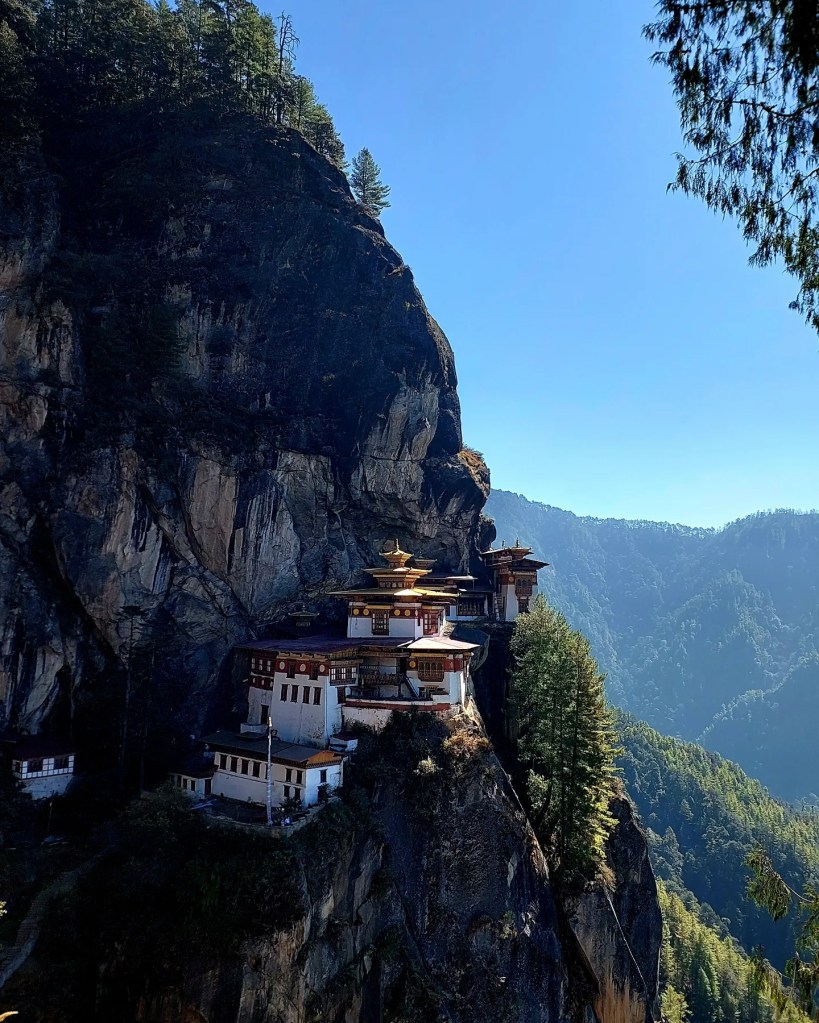
However, Trongsa Dzong is also a very important religious monument. It is considered as the abode Palden Lhamo (Sri Devi in Sanskrit), one of three supreme protector deities of Bhutan.
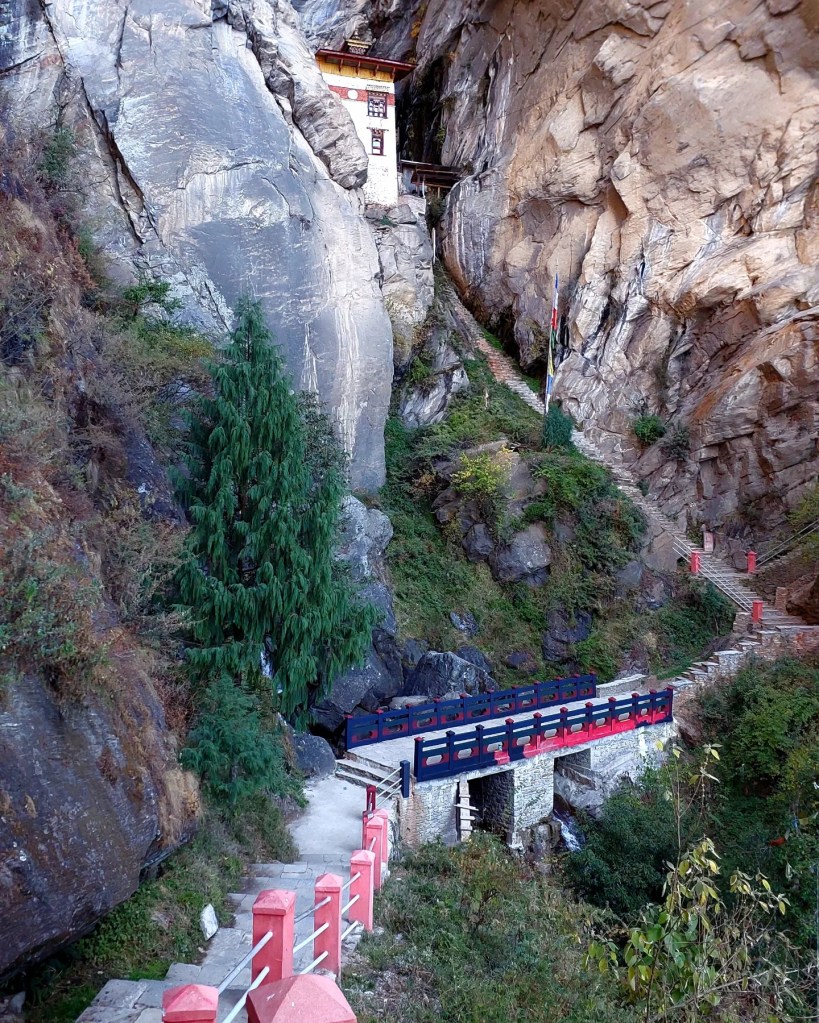
Legend has it that the first temple of Dzong, the Sangye Mithrupa (Buddha Akshobya) Lhakhang, was established by yongzin Ngagi Wangchuk (1517-1554), the great grandfather of Zhabdrung Ngawang Namgyel, who was guided here by the deity.
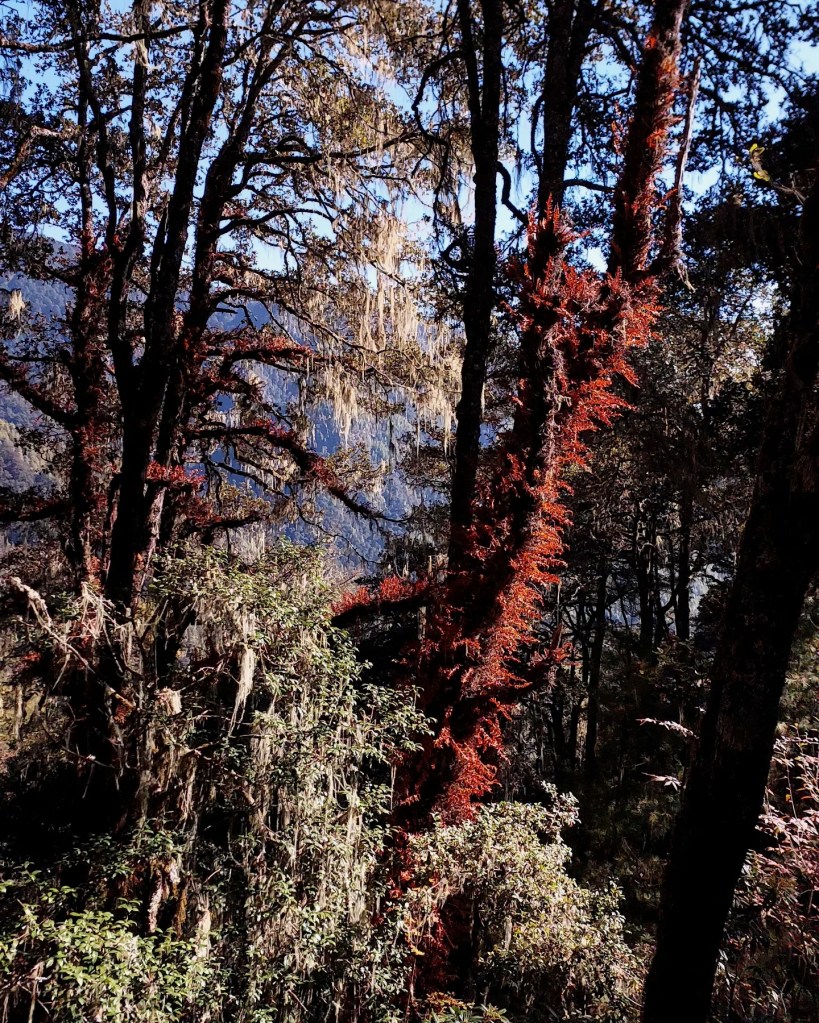
When he arrived at Willing village, a hamlet towards the north, overlooking the Trongsa Dzong, he saw a flickering light at night emitting from this place. He checked out the next day to find some hoofmarks, which he believed were of the donkey of Palden Lhamo. It was as he saw in his vision. He then established a retreat centre in 1543, out of which grew to what we see today. The hoofmarks are still visible today – right at the main east entrance.

Trongsa means “new village”, a term that was used to refer to the retreat centre that quickly grew into a village of meditators and yogi, under the guidance and patronage of Ngagi Wangchuk.

As usual, I had dropped by the Dzong to just visit the Nyekhang, but stumbled upon the most-sacred and annual propitiating rituals to the eight protector deities of Trongsa happening. The ritual requires the respective mounts of the deities to be brought to the dzong and filed in the courtyard. Palden Lhamo’s mount is a donkey (in the picture).

My point of contact there, Lam Dorji, was very pleased that I showed up on such an auspicious day without prior knowledge. “It is great tendrel, as we say, that you just dropped by and came across this being conducted,” he kept saying as he whisked me from one temple to another. “This time I also want to show you where Chojey Minjur Tempa lived,” he said. And he showed me a small chapel near the main prayer hall. And then the kuenra of the Buddhas of the Three Eras.

Trongsa Dzong has some 27 temples and it is impossible to visit all at one go, especially if I am just dropping by to pay respects at the temple of Palden Lhamo, and resume my journey.

“It is good you do that, though. While there are other places in Bhutan where Palden Lhamo is also believed to reside, or invoked, Trongsa Dzong is more sacred for two reasons,” says Lama Dorji. “First, there is separate chamber for Palden Lhamo unlike anywhere else. Second, since the time of Ngagi Wangchuk, the soelka has been offered without interruption for over 500 years.”

And, of course, without doubt it is one of the most visually stunning dzongs of Bhutan, built like a castle in the air.

#paldenlhamo #mahakali #deity #trongsa #bhutan #vajrayana

The hoofmarks of the donkey
Trongsa Dzong

The Story Behind The Sacred Springs of Tsheringma

Right on the Wangdue-Trongsa highway before you hit the village of Tshangkha in Trongsa is this Tsheringma Drubchu (holy water of Tseringma).

The site was revealed to a tsipem (lead singer) from Tangsebji village singing group when she was preparing to journey to Kuenga Rabten, having been summoned, to sing for the Second King, Jigme Wangchuck. She was obviously terrified by the royal summon.

However, in the dream, the story goes, a lady dressed in white instructed her to visit the source of the spring called Ba-Khey-Thong-Sa, literally meaning “place where the cows drink water”. There she was told to wash her head with the water, and drink few sips before starting her journey to the palace. She did as she was instructed in the dream and set off on the one-day journey to Kunga Rabten with her troupe.

At the palace when they performed the Tongsebjibi Zhyem her melodious voice is believed to have pleased the King and the courtiers, and even made them tear up. As a reward for her melodious voice, she and her troupe were given lavish gifts. The tsipem herself was gifted with ricefields, which was big in those days.

In the months that followed the whole story became legendary, which caught the attention of lama Pedseling Trulku, who was visiting the village from Bumthang.

He listened to the story of the lady, visited the source of the spring, and after meditating for few minutes concluded that the lady in white from her dream was Tashi Tsheringma – a wish-fulfilling worldly deity.

Wordly-deities, unlike the Wisdom Protectors, also assist the people with mundane requests and desires, such as charm, success and wealth, to lead a peaceful and even prosperous life, so that ultimately when one’s basic needs are taken care people can practice dharma. Tashi Tsheringma is one such deity.

Coincidentally the villages of Trongsa, which was known as Mangde Tsho Zhi, produced some of the best contemporary folk singers, such as Aum Nimchu Pem of Bji village, which many attribute to this Tsheringma Drubchu.

During the tunneling works of Tangseji Hydropower Project, the source was destroyed, which rightfully irked the locals. It was later restored by the project authorities.

Sacred places, from my research, are sources of not only power and blessings but also are social spaces that bring people together. They are important unifying forces, which should not be underrrated or underplayed.

Ultimately these places and the stories, irrespective of whether they are true or not, whether there are any scientific evidences, construct our identity, and who we are as individuals.

holywater #sacredspring #tsheringma #trongsa #mangdeyzhey

The legends of Ratsawog

Ratsawog, Wangdue
When you drive along the Wangdue-Trongsa highway,  just before Nobding, if you stop your car and look down you will see this small hamlet. It is called Ratsawog (mispronounced from Raja wog where Raja means King, and Wog means lower village)

The place is believed to be associated to King Sindhu Raja, the eighth century king of Bumthang who invited Guru Padmasambhava. Not much is known or wriiten about it except that the king remained there hiding from his enemy, King Nawoche.

Another important fact about this hamlet, is that the little stupa behind that tall house comtained one of the Buddha statues which was crafted by Zhabdrung Ngawang Namgyel (1594-1651). Zhabdrung had made and commissioned one million tiny statues of Buddha Shakyamuni in the memory of all those killed during a series of Tibetan invasions between 1616 and 1644.

One of those statues was believed to been placed inside that stupa on the orders of Zhabdrung.

Sources say that the mini statue is in Wangdue Dzong. It is the main relic placed inside the Thousand Zhabdrung statues, which were commissioned by contemporary lama Tshampa Sangye Tenzin, and consecrated inside the recently-rebuilt Wangdue Dzong.

(Source: Sonam Dorji, a native of the village)

Power of prayers and faith

A friend of mine from the US sent me another message for help. Another, because it was not the first time. This time a brother of our colleague has been diagonised with stage 3 cancer. He requested me to commission prayers, rituals, and get him some blessings. He is only 45.

My friends have been to Bhutan many times and they know that if there is a place where magic and miracles do exist, it is here. Over the years they have developed more faith than, if I may say, many Bhutanese I know.

So, I rallied my network. I requested my lama, Khandro Dorje Phagmo, to bless him so that he can recover. I commissioned the life-extension prayers at Dodedra. I invoked deity Palden Lhamo in Rukha temple.

Continue reading “Power of prayers and faith”

Benefits of receiving teachings

Following my earlier post on Intents and Moelam, I had a few questions, which I share here.

I start with a story.

A lazy pig was once basking in the Sun and sleeping his day away when a pack of dogs pounced on him. The pig dashed for his life and without realising, he ran around a stupa three times. There was a teaching going on at the stupa and though the pig went around the chorten without even realising it, he was never reborn again in the lower realm.

So, first question: Is there benefit of just listening to the prayers, and teachings, even if you don’t understand it?

Yes, it does. Your mind may not understand because of the language you speak, but your conciousness, which is language-free and pure, is believed to absorb it.

It is said that when Buddha Sakymamuni spoke, every sentient being – humans, animals, devas, asuras, hungry ghosts and sprits, all understood every word he spoke.

Why am I not attending the teachings at Kuenselphodrang?
As a lay person, trapped in the BS of life, I don’t have 30 days to go there every day.

Why I don’t go when I can?
There are different types of teachings. The one currently being conferred should be attended in full. There are other teachings, which you can jump in and out. Consult your teacher, your lama.

What do you do then?
Buddhism, especially Mahayana/Vajrayana Buddhism has no meaning or benefits if you don’t practice loving kindness and compassion. So, you just don’t sit, listen to or recite mantras. You must practice them.

Make a trip to Kuenselphodrang. Make your wish. Volunteer there even for a day, or an hour. Drop some offerings (amount does not matter. Your intention and moelam do). Drop some foods or fruits. Give a ride to some old pilgrims. There are many ways to practice Buddhism. Or like the lazy pig, go and run around the big Buddha statue three times.

Stay blessed.

Addendum to the Pig Story.

The young Yangma Rimpoche, who has his center in Phobjikha, told me another version of this story when I shared with him that I was helping build a chorten in Zhemgang,

This pig was playing in the mud the whole day, and feeling tired, he dozed off when the dogs attacked. As he was running for his life, and around the chorten, the mud from his body got rubbed against the chorten at the exact point where the clay of the chorten had peeled off.

The pig, therefore, managed to repair that hole with his mud on the body. And in doing so he was released from the animal realm and reborn in higher realm.

Such is the merit of building a chorten. And yes, your consciousness – your soul, can understand the teachings, and absorb the merits of listening to the sacred verses.

buddhism #buddha #dharma #compassion #jampa #lovingkindness

Intents and views in Buddhism

Intentions, or view, is the most important aspect in Mahayana Buddhism. Whatever you do, whatever you say, ultimately one’s karmic merit or retribution depends on what is the main intention. Put simply, the end justifies the means as long as the end is noble, and the means does not violate the Five Precepts of the Vinaya. In fact, a popular saying goes something like, “If your intentions are clear, the earth and the paths will be cleared for you” (sampa zang na, sa dang laam yang zang).

Stories are abound of intents, and power of wishes, known as moelam in local languages. The most popular cliche being a self-arising statue of Buddha emerging out of a bone of a dog, because of faith, intent and moelam.

And of course, the lama who took this view to the extreme was our favourite Divine Madman, Drukpa Kuenley, who defied every convention and norm to prove this point.

There is a month-long teaching going on in Thimphu. And it is bestowed by none other than our Living Buddha, Trulku Jigme Choedra, the curent Je Khenpo of Bhutan, and one of the purest living soul of our generation. There are thousands of devotees from all over the country, and many monks and ordinary people from Ladakh, Sikkim, and other places in India.

So, today, on the advice of my teacher, I paid a visit, listened to his teaching from the woods (which I didn’t understand a word but it’s fine), made a monetary offering for the organisers, and a cake with less sugar for His Holiness. And above all, as instructed I prostrated three times from a distance, from this spot (I didn’t bother the curious onlookers) and told the Buddha that with this today’s visit I be marked present for every day of the thirty days. I promised to be better in my next life by being a monk and be a more serious practioner.

I think the Buddha said OK, because the Living Buddha kindly sent me some protection chords and blessed pills of the Medicine Buddha (Pix 3) in exchange for the cake. These gifts will go straight into my treasure box.

May all those who cannot come even for a day, for genuone reasons, but can see and listen to the teachings (Pix 2) be blessed for life.

#mahayana #buddhism #intention #buddha #dharma #bluesky #teaching