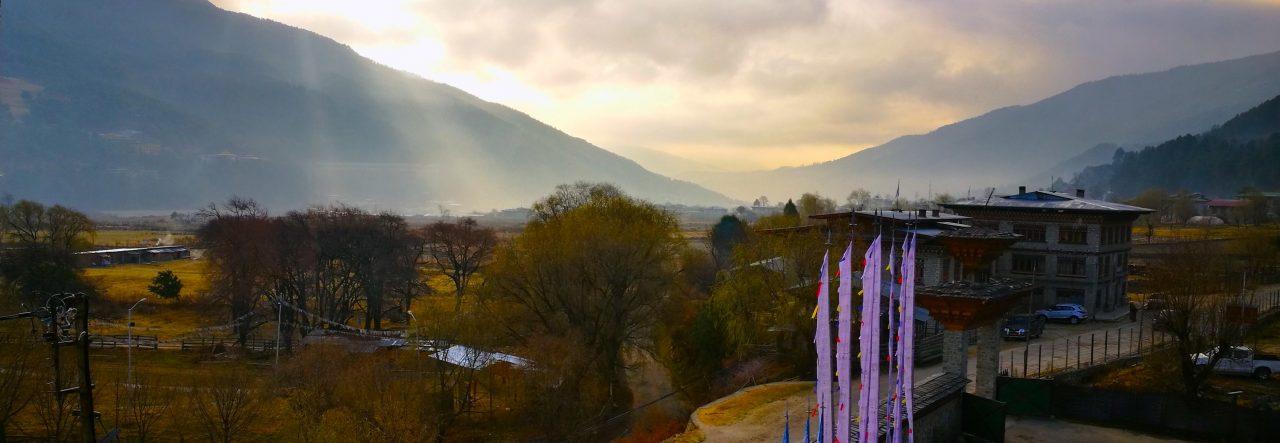
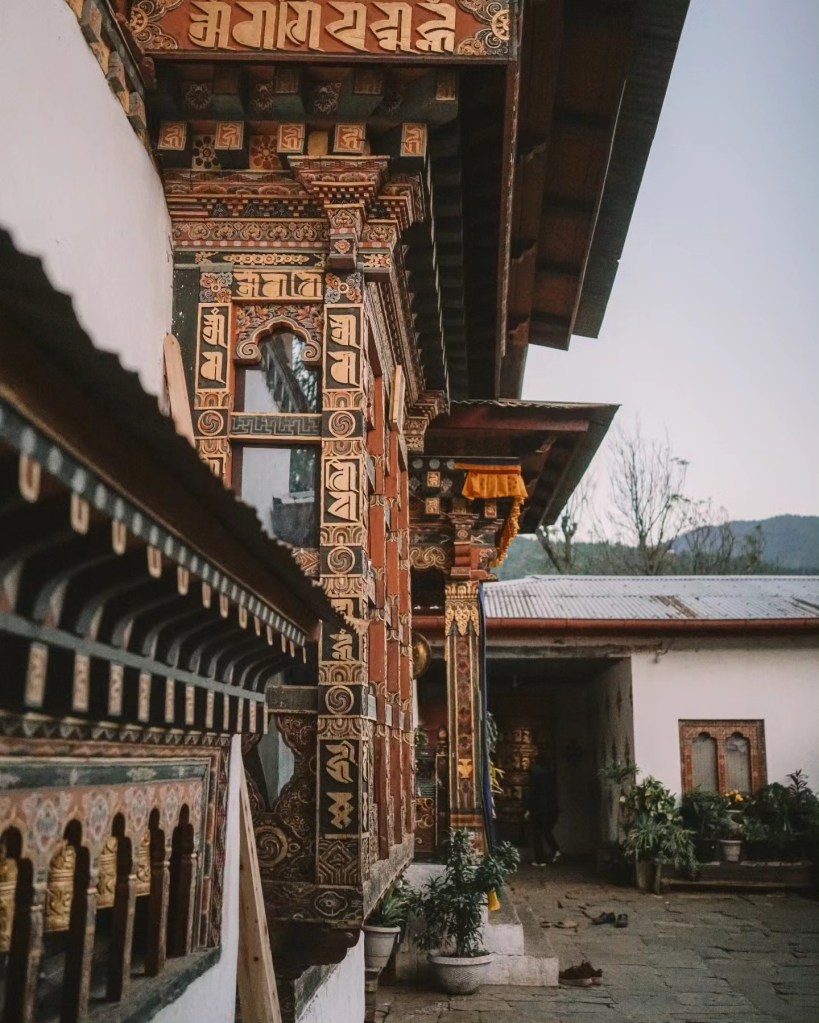
I paid my annual visit and homage to Lama Drukpa Kuenley (1455-1529), popularly known as the Divine Madman, at the temple Chimi Lhakhang in Punakha district. It was built in the 16th Century by his cousin, Ngawang Chogyel (1465-1540).
In this article, let me share Drukpa Kuenley’s profound teachings hidden under his outrageous behaviours and antics.
What was apparent – the Outer Drukpa Kuenley
Drukpa Kuenley is Bhutan’s favourite yogi. His exploits are legendary, a rather unconventional character who renounced monkhood at 25 for a carefree and fun lifestyle – of women and wine. He was nicknamed “Saint of 5,000 women”. Although Drukpa Kuenley’s methods were considered blasphemous, eccentric, and crude, there was more than what just met our eyes.
He pulled pranks on every lama he came across. His favourite target was his cousin, Lam Ngawang Chogyel, who was a great Buddhist master-reincarnate in his own right. The religious institutions feared him, women loved him, and children adored him. He peed on someone’s thangka (religious painting). The story goes that his urine later turned into gold droplets. He farted in the holiest Lhasa Jokhang where a large sermon was going on. The children laughed, and the elders frowned. The monks were furious.
He debated against every peer of his generation, including the greatest Treasure Revealer, Pema Lingpa (1450-1521), and went undefeated. Their telepathic debate, which ran into three volumes, is today revered and studied, and read in homes on auspicious days.
He came to present-day Bhutan because someone told him the most beautiful women and the best wines were in Bhutan. Although he was born in Tibet, he has become a Bhutanese saint in every respect.
What he also was – the Inner Drukpa Kuenley
Drukpa Kuenley, of course, was compassionate, altruistic, and selfless. He loved children and gave them gifts from his magic bag, which some observed was an endless pit of items. He cured people of illnesses and liberated individuals and communities from being possessed by evil spirits. He tamed demons and denizens into becoming Dharma protectors. He was one of the few Buddhist masters who could do that – the others being Guru Rimpoche and Milarepa. He used his favourite weapon – his “Flaming Thunderbolt of Wisdom” (the nickname for his male organ) to strike and subdue them.
Legend has it that Drukpa Kuenley never died. He is believed to have dissolved into the nose of Jowo Shakhyamuni statue in Lhasa. The story goes that he left his slippers and his walking stick – telling the Jowo statue to look after it while he was gone. The janitor tried removing them – thinking that some vagabond left a pair of dirty slippers. The statue is supposed to have spoken, telling the janitor, not to remove them. “Drukpa Kuenley told me to keep an eye on them”.
What he was – the Secret Drukpa Kuenley
Below the surface of the outrageous behaviours and hedonistic lifestyle of wine and women were some profound teachings and lessons for ordinary people.
Drukpa Kuenley was about authenticity, which in Buddhism means letting go of the false sense of self – based on external expectations, past experiences, norms and conventions.
Drukpa Kuenley rejected social and cultural norms, conventions, and conformity because he saw them as obstacles in our journey toward realisation and liberation. He warned us against our minds getting trapped in conventional wisdom, cultural norms, or institutionalised forms of existence, which deprive our innate and individual strengths to work towards becoming a bodhisattva.
He put out a drama – a public display to show that ultimately, no matter what you do, in essence, what matters is your view (tawa) and your intent (sampa in Bhutanese), which are the most important traits in Mahayana Buddhism – and not discipline or decorum, which are vital in other traditions such as Theravada.
Drukpa Kuenley is a reminder to avoid hypocrisy, inhibition, and materialism. His is an invitation to speak, explore, and stretch your mind. His life as a ragged yogi – living on wine, women, and as a vagabond, was just staged to teach us the transitory nature of life and all phenomena – and to practise non-attachment.
Above all, he is an example for our mind – not to be trapped in, or be limited by, the conventional wisdom, cultural norms, or institutionalised forms of existence. Our minds are bigger than these. Much, much bigger.
What do I take from him?
My annual pilgrimage is to reaffirm these commitments and to seek his blessings (bestowed with his wooden phallus and his bow and arrow) so that I have the strength and the fortitude to carry on.
It is not easy to be your authentic self, to be honest. It is easier to play along, pretend, to fit into society – and, to lift from the Lama Khyentse Rimpoche’s movie Hema Hema, wear multiple masks in life. Nonetheless, I continue to pray to him:
“May I never be a hypocrite, sucked into hierarchy and conformity, or be intimidated from saying the Truth”.
#drukpakuenley #vajrayana #divinemadman #chimelhakhang #punakha #bhutan


thanks
LikeLike
thanks Dr for this profound wisdom.
its been a great pleasure injecting my self with ur wisdom that is too valuable in our life
LikeLike