Bali, Indonesia – I have a fear of drowning. I have also realised I have thalassophobia, which is the fear of depth. As a child I watched a movie in which a sea monster attacks a ship. This must have left some lifelong fear in me. I feel something scary will jump out of the deep sea. In any case, being from Bhutan – a landlocked country where there are no oceans, and where the lakes are considered sacred, you don’t have much experience with water.
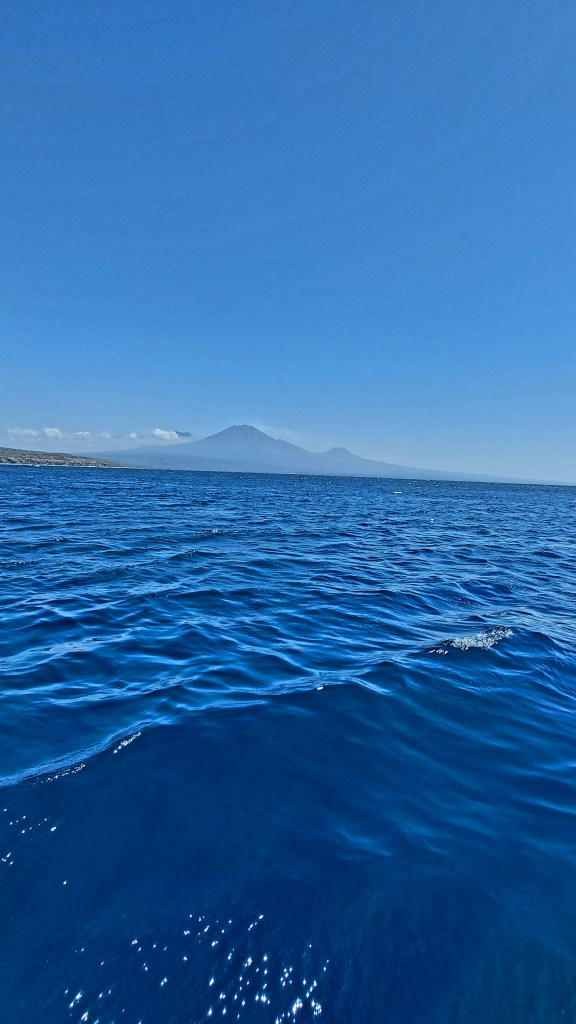
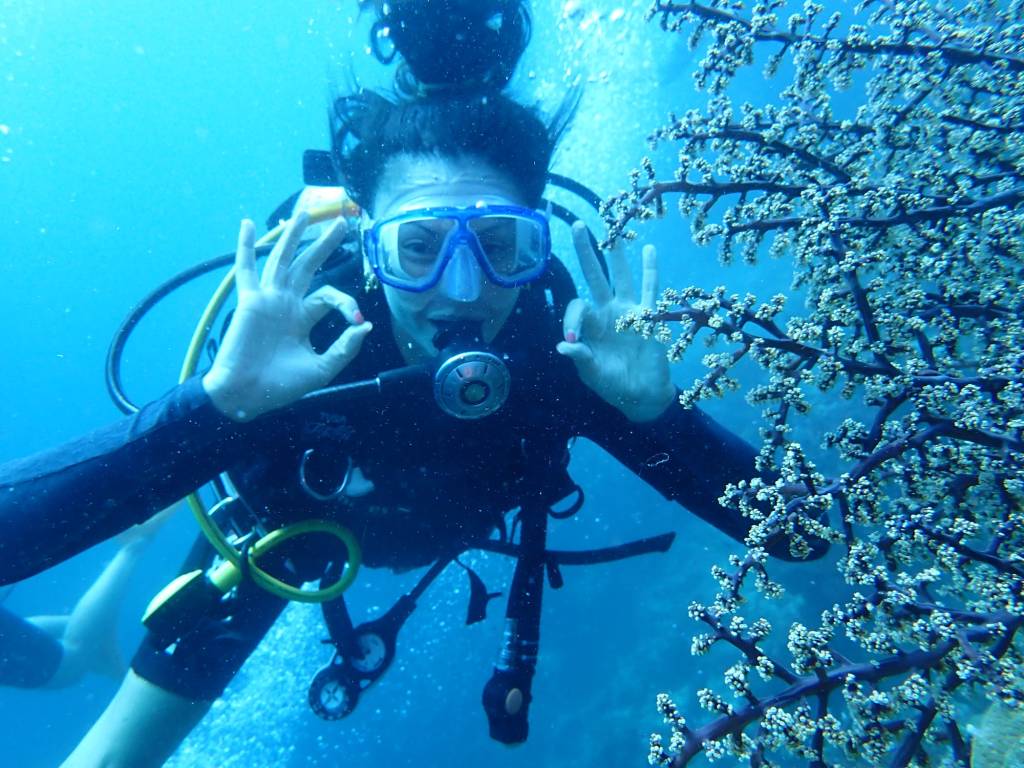
On this wellbeing retreat in Bali one activity that they had planned was snorkelling and scuba diving near the Menjangan Island. The sea around the island is a protected coral sanctuary that is guarded by the rangers. No one is allowed to spend the night on the island, but during the day one can take a boat there to see the corals.
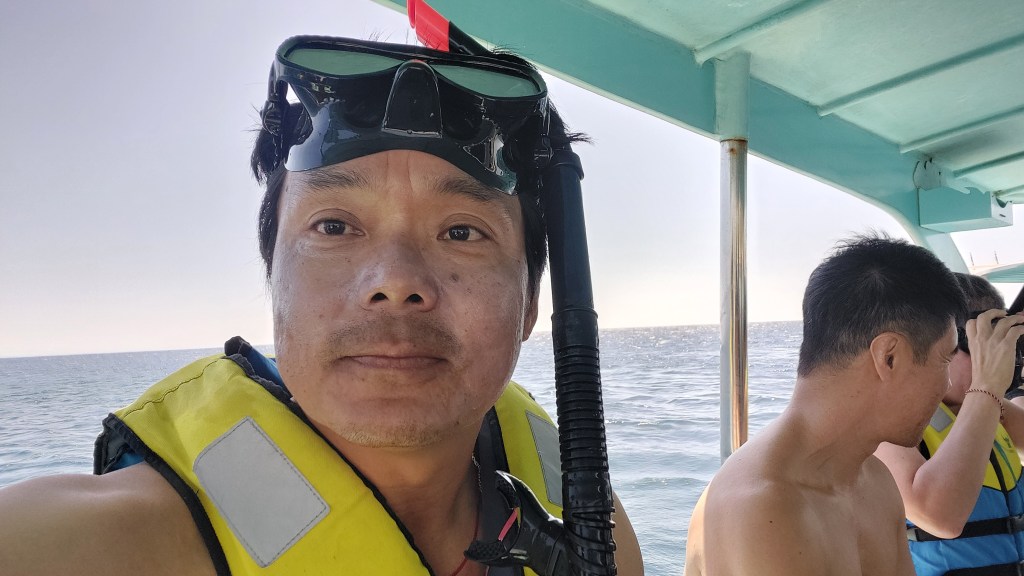
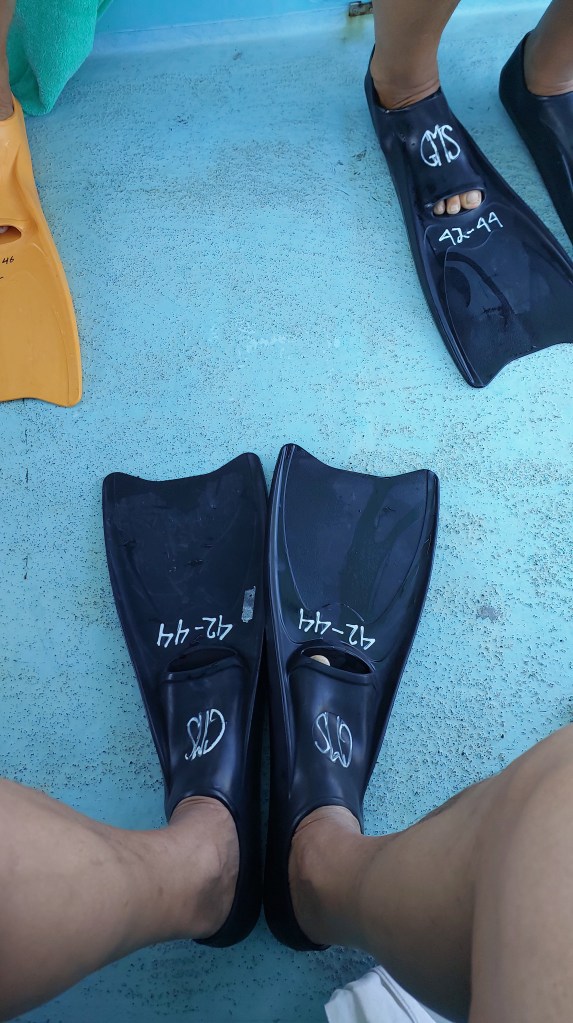
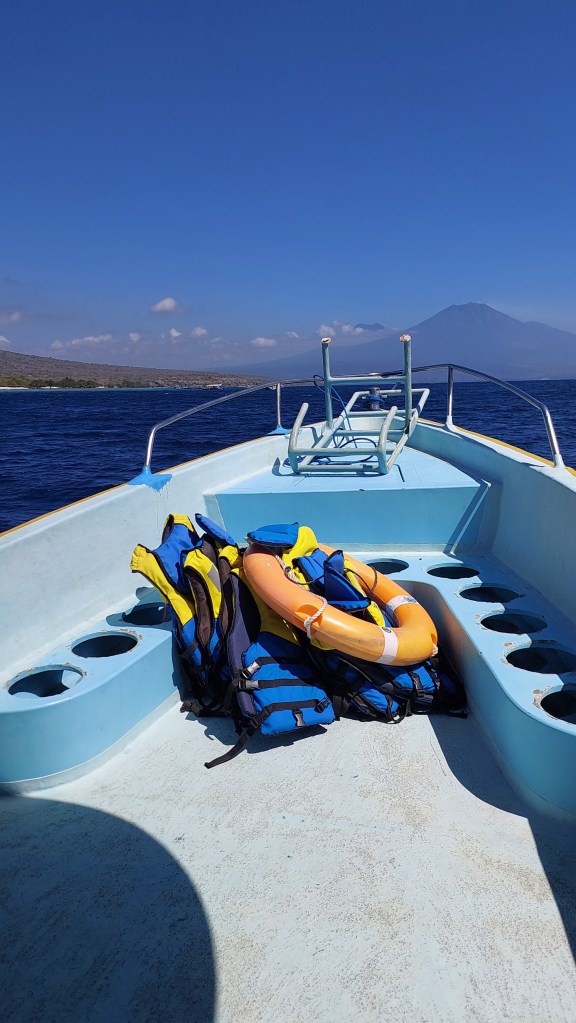
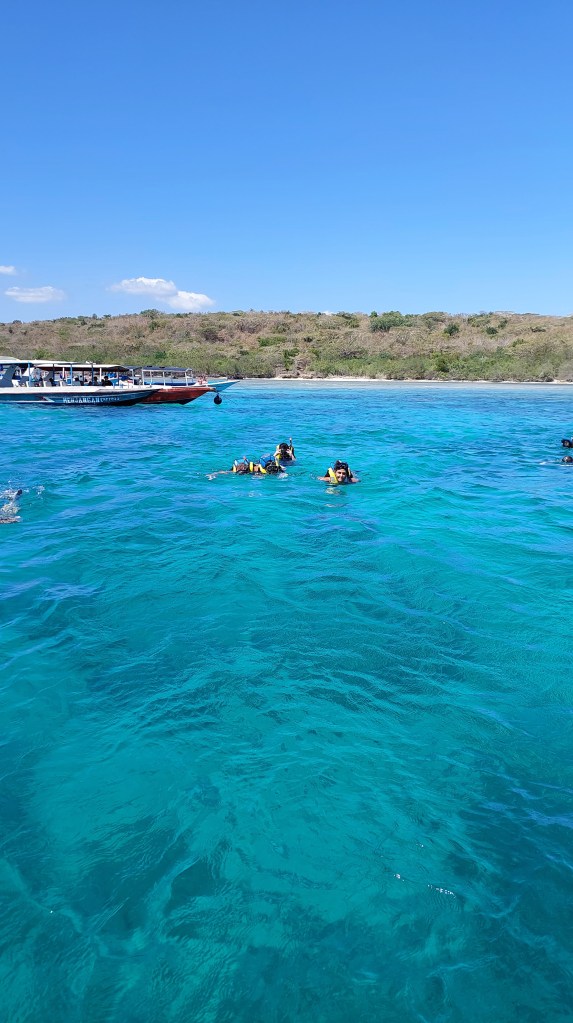
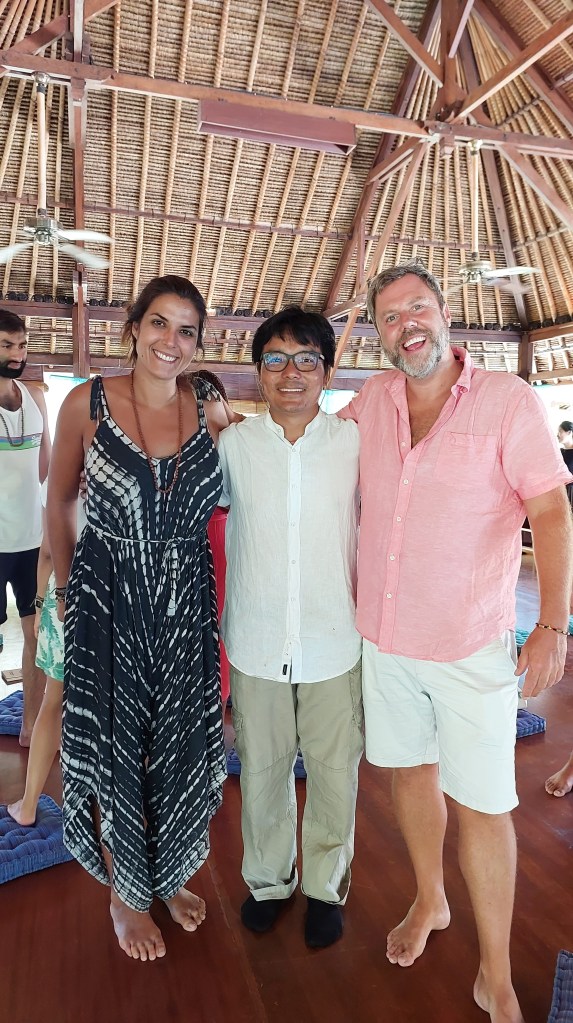
I was told that we would be taken to the island and there you can walk into this sea and look at the corals. However, I had misunderstood. The boat stopped some kilometres away from the beach and we were handed down fins, life-jackets and snorkels, and then told to jump off the boat. I had never done it before, and so I was almost giving it a pass when two participants, a super lively guy named Craig, and his partner, Carissa – both from Canada, offered to rescue me in case I drowned.
“Dead or alive,” joked Craig. “Hopefully alive,” he added with a big laugh. I had the heartiest laugh.
I felt reassured, though. It was just three days since I had known Craig and Carissa and I connected with them instantly – Craig for his loud and endless tales of survivals and success, which resonated with mine; and Carissa for her Italian descent, heart and smile. I lived in Italy for eight years. I love the Italians.
I explained to them that not only have I ever done that before, I also have the phobia of large body of water and depth – and I could barely swim.
“Trust me. You will love it,” Craig told me.
I was scared but I have also always wanted to see live coral trees. Legends and myths in Buddhism, and in our part of the world, talk about a heavenly paradise that is filled with coral trees, turquoise floors, animals and singing fairies. I thought this was my best, and maybe the only chance to visit this mythical paradise.
So off I jumped out of the boat and into the sea. I went down but was instantly bubbled up to the surface by the lifejacket. I must have looked terrified, though.
“Now relax,” Craig said, holding my arm.
He had a few tips: hold the snorkel with the teeth, close the mouth, and breathe only through the mouth. And if I find myself tired or anxious just roll over and lie flat looking up at the sky to regain my breath. And raise your hand if you are in trouble.
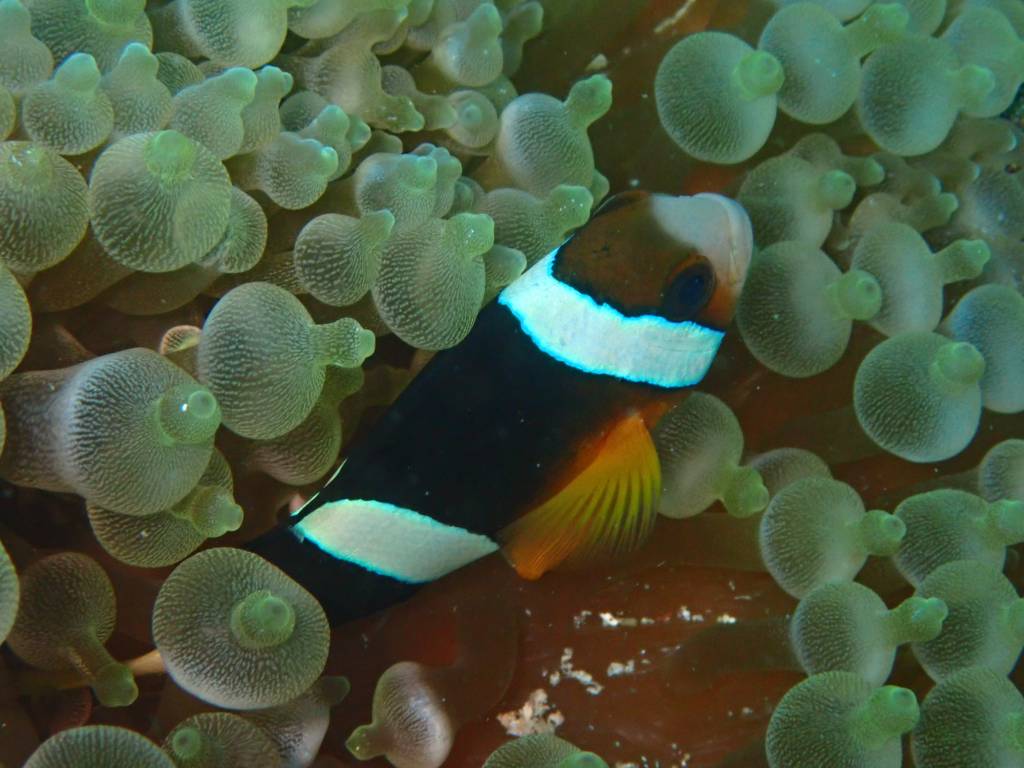
Then I was told to tilt my head down, wade my two feet and look into the depth of the ocean, which I did. And lo behold, there it was, the heavenly paradise. It was a universe of its own. An ecosystem of coral formations in a variety of colours, with vibrant sea plants dancing in harmony with fish species that I had never seen before. There were angelfish, sea horses, reef sharks, octopuses, starfish, giant clams, and eels.
I was both scared and overwhelmed with what I was seeing – a mix of several emotions, and I felt tired after some 20 minutes. I asked to be taken back to the boat. The Balinese lifeguard dragged me safely to it.
I was glad to be back to safety. Some half an hour later, the boat captain started calling back all the participants. We headed for the island for a packed lunch. It all felt so surreal. I was pinching myself to see if I was dreaming. I wasn’t.
After lunch we were told that they would be taking us to another spot where we can see the sea turtles. I really wanted to see them, as I have never seen them in the wild. The organisers thought that being from Bhutan I was not enjoying the experience and offered to take me back to the hotel, while other participants could continue.
“I am taking the second round,” I told them.
Everyone was surprised by my “courage”.
“Are you not scared?” someone asked.
“Well, I am. But this is the best chance to conquer my fear with so many divers around me. And in any case, my character is – when I am scared or uncomfortable with something, I drive straight into it,” I replied.
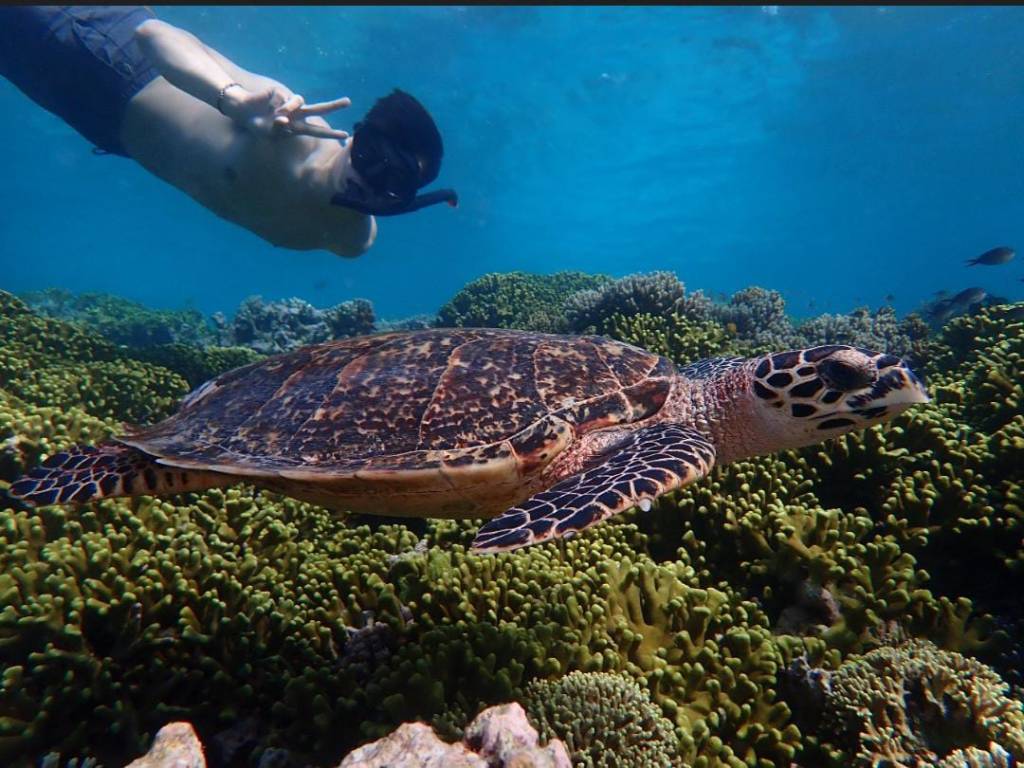
I had simply the most amazing experience in the afternoon. I loved following a giant sea turtle. And even attempted to go solo and dive down a little.
Life is scuba diving
We often stay away from exploring the world, exploring your true qualities or your potentials, and fulfilling your dreams because you fear something monstrous might pop up from the unknown. We then waste away our life in mediocrity, irrelevance, and emptiness.
Fear is natural in life. Fear is necessary for survival. It is one of the most basic instincts that comes from the most ancient part of our brain – the amygdala region. But fear can prevent you from living, and from good relationahips and self-fulfilment. Fear keeps us from fulfilling our dreams, exercising our true self, or realising our full potential. Because of fear they say you suffer more in your own imagination than in reality.
While a certain level of caution is necessary, most fears are unfounded, that are meant to control us. One of the most unnecessary fears we have is the fear of moving out of our comfort zone. And into the unknown. This is not good. Every human is endowed with abilities, talents and power to make the world a better place – for himself or for those around him.
So, jump off the boat and enjoy the wonders of another universe that may be lying right below you or besides you. Jump off from toxic relationships, from a job that is wearing you down, or from a place that doesn’t value you. Dive deeper to enjoy the wonders of the world that you may be missing. Take the plunge into the best you. Remember that you will be alright. You won’t drown.
And if you feel the need, find your “Craig” who will rescue you – dead or alive. Hopefully alive.
But. Make. That. Plunge.
Be in a community that loves you, and which you can trust. Fear is nothing after that.To jump, or not to jump?Coral tree (Photo – Megan Lim)This is where they dropped usMy legMy friend Lauren chasing a turtle? (Photo – Ryan Miller)From L-R – Lisa, Meghan and Kristina (Photo – Megan Lim)Craig and CarissaBaker and the tortoiseThe white coral tree
Bali, Indonesia – I am on my fourth day into the wellbeing worldwide retreat in Bali, Indonesia. This retreat comes on the heels of the pilgrimage around the sacred Drakarpo mountain in Paro, and the 10-day Vipassana course in Sikkim. So, it is a good landing because I am physically tired, but in a way still in the retreat mood.
On a serious note, while wellbeing and pursuit of happiness have taken a back seat in national policies and public debates in Bhutan these days, around the world it has gained momentum – especially after covid. For instance, there are over 70 friends and family gathered here from 22 countries seeking wellbeing and genuine happiness.
I often get the question, and I am also asked to give public talks, on the question: What is wellbeing?
The short answer is: it depends – from person to person and from country to country. Nonetheless, let me share what it means to be well in Bhutanese culture in particular, and the world in general – a framework to help you work towards your wellbeing, so to speak.
Wellbeing isn’t just about money. It is not about money, most of the time.
In the simplest of definitions, it means to be, and to feel, well. This is, of course, easier said than done. With this thing called life, with all its trials and tribulations weighing in all the time, everything becomes complicated.
Yet, from some research I conducted, and readings I have done, and trying to live them for the past couple of years, there are four components of life that need to be recognised, appreciated and balanced. And they are: social, emotional, physical, and spiritual wellbeings.
Social wellbeing is about cultivating a productive and meaningful social life and relationships built on gratitude, community and compassion.
Emotional wellbeing is learning the skills to regulate one’s emotions, practice self awareness and build positivity. As I always say, you will never make mistakes in life with what you know or have studied. But you can potentially blow up everything with your emotions.
Physical wellbeing, or wellness, is about learning more about your body – as in what to eat, to do exercise, and to take care of the body, and to listen more to it, so that it is in optimum condition to carry your life and dreams forward.
Spiritual wellbeing seeks to understand your spirit – as in your soul or your consciousness. Spiritualism is not about being religious. Spirituality and religions are two different things. Spirituality is about finding, understanding and enriching your soul. In Buddhism and Hinduism you also call it consciousness (sem and atma respectively).
Emotional intelligence and four-pillar wellbeing.
Of the four aspects of wellbeing, emotional wellbeing is the toughest to practise or acquire. Since I entered the profession of academia, this has been one of my core concerns, way of life and an area of research.
Wellbeing, according to this proposition, can spread across four thematic areas: mindfulness, community, self-curiosity and contentment.
Mindfulness as in self-awareness; community as in selfless service; self-curiosity as in self-care and growth; and contentment as in finding the balance.
Happy to be a part of this amazing family of international researchers and educators bringing the four pillars of wellbeing into classrooms, and into the world.
There is a popular holy mountain in Bhutan (a hill by local standards) where you walk around it for 108 times. On average it takes fifteen to twenty minutes to do one full circle, which means a good three to four days to complete the sacred number of 108 rounds. Legend has it that the spiritual merit of doing the 108 rounds is so great that one could cleanse even the worst of one’s past karma. And I just did that. It was not easy either.
After a gruelling three-day of walking, puffing, dragging myself and almost crawling towards the end, I completed the popular 108 circumambulations of this power place that was blessed by Guru Padmasambhava. This fulfils a dream that has been hanging on my mind for years after my first ever visit in 2002. During my last visit in 2019, where I just paid homage to the “talking” Guru in the main temple, I made a wish to be back to do the legendary 108 rounds. I was not ready for the challenge back then.
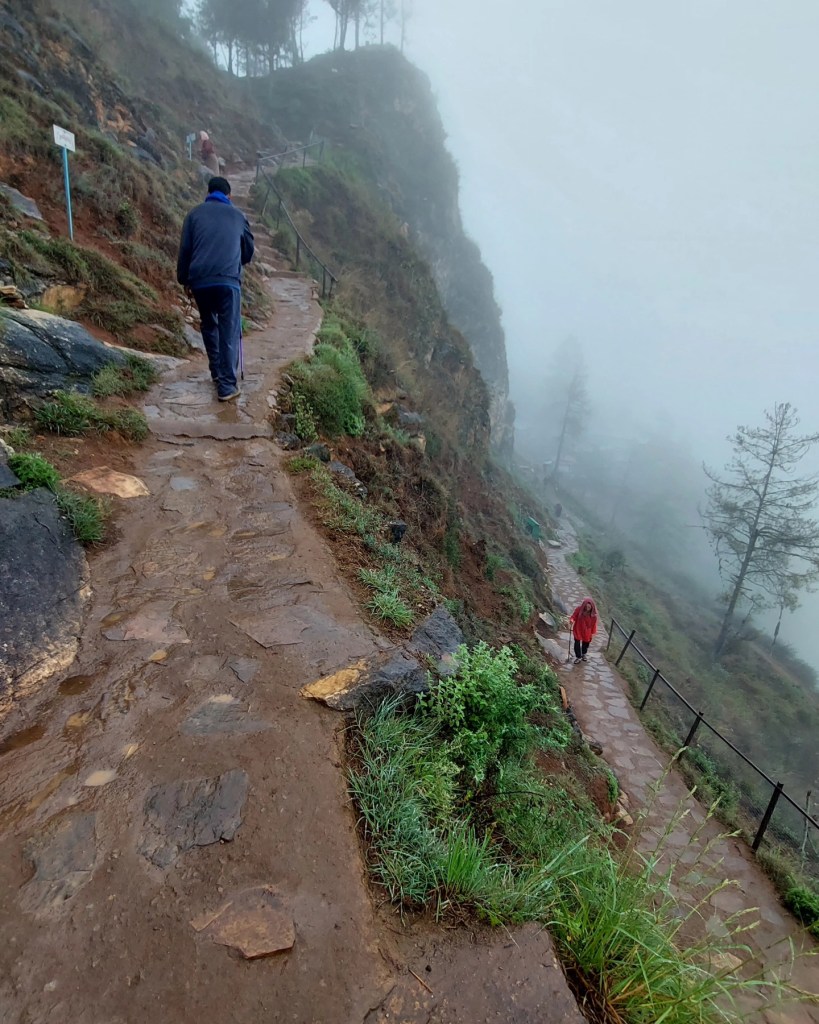
To provide some context, first, the mountain stands at almost 3,000 metres above sea level and the trail is around one kilometre long. A quick maths says 108 rounds equates to 108 kilometres. This is equivalent to two marathons back to back. Second, the trail moves vertically like a clock. You climb up from the base, reach a plateau, and then you walk down from the other side. It is not a flat walk. Both your knees and your thighs get killed in the process. When it rains, like it did on my first day, the trail is slippery – adding extra pressure on your legs.
Owing perhaps to these, and more so because of the blessings of Guru Rimpoche and all the subsequent deities and yogis who visited there, the spiritual reward of doing the 108 rounds of Dra Karp is believed to be so great that one is cleansed of all the sins as big as “killing one’s parents”. This is perhaps a metaphor to indicate the immense power and blessings of this sacred mountain.
The sacred Dra Karp in Paro
Dra Karp (also rendered as Drakarpo), which literally means “split rock”, is a popular pilgrimage site in Shaba gewog in Paro. According to some ancient scriptures, Guru Rimpoche – probably in the form of Guru Dorje Drolo, had moved from Taktshang to Dzongdrakha, and from there to here to meditate and hide a sacred ter – spiritual relics that would be later discovered by masters of destiny. The door to the ter, called ter gho, can be seen on the rocks.
As Guru was meditating in the cave, he found the space to be a bit tight and so he pushed the rock in front of him with his legs and hands and the rock was split. And thus the name, Dra Karp, which means ‘split rock’. The splitted space now holds a small and narrow temple.
As you enter the temple, there is a pagsamjongshing (wish-granting tree) near the right window, and a statue of Drak Tsen (the mountain deity of Dra Karp) on the left. As you go further the split rock is on the right and the cave is to the left. There are two statues of Guru Rimpoche – one inside the cave and one – a bigger one, on the altar to the right. The bigger one is more sacred, as it is considered as sungjoen (talking statue). For me, it is the most beautiful statue of Guru, which caught my attention during the very first visit in 2002.
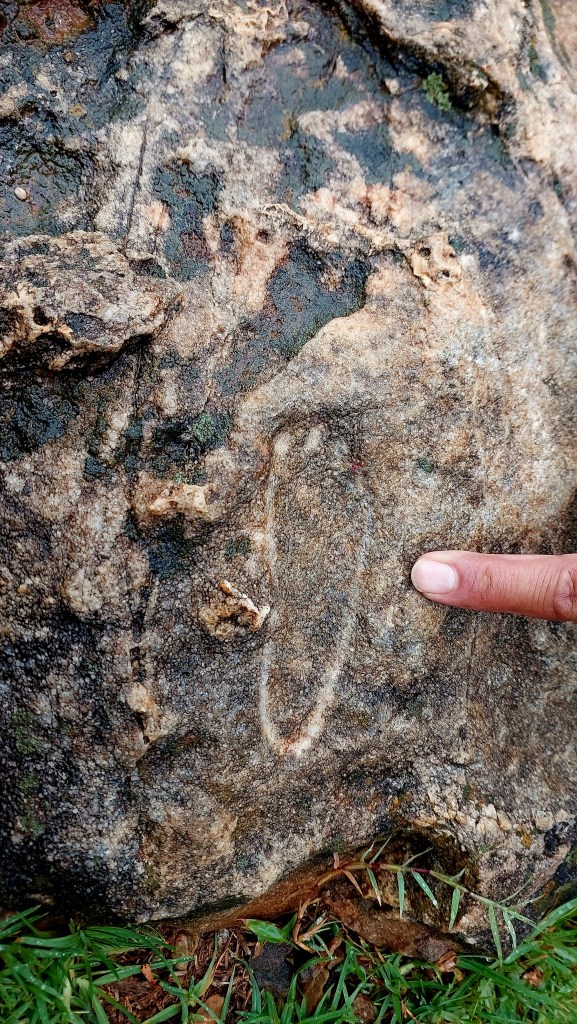
On the split rock one can see various self-arisen images such as that of Jetsun Jambayyang (Manjurshri) and the footprints and handprints left by Guru – probably as he pushed the rock away from where he was sitting.
More than the cave it is the mountain that has been further sanctified by the visits and blessings of other Buddhist masters, deities and divinities. There are countless caves – big and small, and marks left by them. The most popular ones are the caves of Yidam Tandrin, and Lama Namkhai Nyingpo. It is obvious that Buddhist masters and practitioners down the ages have visited this place following the footsteps of Guru Rimpoche, and have left their own marks of accomplishments.
My favourite is a tiny footprint of a khandro (dakini) on the top plateau of the trail. This is where one should end the pilgrimage and sing and offer devotional dances to the deities and dakinis. The walk should start at the base, where you prostrate three times. There are wooden planks donated by some people to facilitate the prostrations.
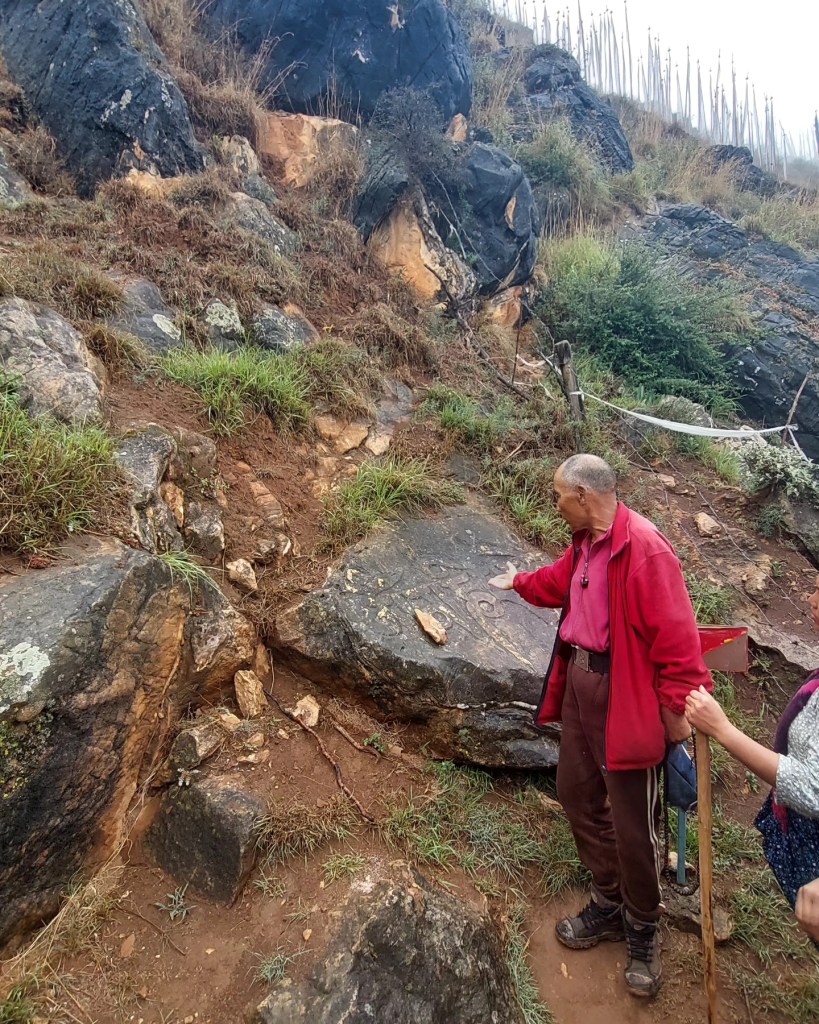
On the same plateau there is also a large boulder split into three. According to a local man, Lotey Gyeltshen, 75, who served as a novice monk for four years before being drafted into the army, Dra Karp gets its name from this rock.
“When Guru was meditating in the cave below the deity, Drak Tsen, kept bothering Guru and kept hiding in this rock,” says Lotey.
“One day Guru was so annoyed that he chased the Drak Tsen who disappeared into the rock. Guru focussed his mind on the rock which split into three and the Drak Tsen was revealed and tamed. This is why this place is Dra Karp because this rock was split into two by Guru,” he elaborated.
“This is a blessed rock. If you have back pain, knee pain, shoulder pain, or headache, you rub here on different spots,” he added. A highly-spirited man, Lotey went on to demonstrate how to do the rubbing and switches from Dzongkha to Sharchop to Hindi, which made us all laugh or smile. But I did try rubbing my back on the boulder like a bear, and it did work. Whether it was my blind faith, or the real blessings from a boulder, my chronic backache made some comeback this time but not to disrupt my mission of 108.
In recent decades, Dra Karp has become a popular pilgrimage destination for its promise to be able to wash away one’s all bad karma – including vicious acts as big as killing one’s parents. Obviously this is a metaphor to highlight the immense blessings and power of this place. Every day streams of pilgrims of all ages can be seen struggling around this sacred mountain. The place is like a hotel with people coming and going at every hour.
I first visited in 2002, but couldn’t get 4 days off to do the 108 rounds. I made several subsequent visits with friends and family members for day visits and each time I made a wish to Guru that I be back for the legendary 108 circumambulations, so that I am able to wash away my sins – from both this life (I have committed many) and from my past existence that I really don’t know.
So, finally here I am – after a good 20 years.
My circumambulation experience
108 rounds of Dra Karp is a big undertaking. And like every such undertaking, one must plan and strategise. So I decided on a slow first day, followed by an intensive second day, and then wind down and complete it on the third day.
“Yes, it is best to start slow, and increase the pace as you get familiar with the circuit. You shouldn’t rush,” said Pema Choden, who let me use her house below Dra Karp, and who lives in Thimphu these days.
“Many people make a jump start only to give up on the second day,” she said.
I followed her advice.
On the Day Zero, which is the evening I checked into my room in Dra Karp, I visited the main temple, and offered a cake to Guru. I also made a deal with the local deity, Drak Tsen. If I completed the 108 rounds I would offer 108 butter lamps for the benefit of all sentient beings. I rolled the dice. I got his approval through a good number. I then did some inaugural rounds of Dra Karp since it was the holy Dakini Day, according to the Bhutanese calendar.
Then I kicked off the First Day of the mission. The target was 42 but I stopped at 31 and went home at 5pm. I had stomach cramps the whole day from too much chillis I ate. But that was not my biggest worry. I was focussed on my lower back, which has always troubled me, and which I was worried of spraining it.
The next day, after my body was warmed up, and after I knew every corner and boulder, I increased my pace. The weather gods were kind enough to send some clouds to cover the intense Sun. Nonetheless, I burnt my neck and my nose.
I met the target of crossing both the midpoint of 54 rounds and the two-third mark, which is 72. I closed the day at 75 – leaving 33 for the third and the last day.
I woke up on the third day with aches and pains all over my body that, at one point, I even doubted if I could complete the rounds. I kept going, albeit very slowly.
“Today, your speed has gone down, sir,” joked one female pilgrim.
“It has,” I replied.
“You have come this far. So you might as well crawl and complete the rounds,” she added.
And I was almost crawling. I got a second walking stick and I used my arms muscles to help my legs pull my super-tired body. I was literally walking on four legs.
The Sun was also unforgiving on the third day. At one point I was almost getting a sun stroke. With the rain clearing the dust, and being at 3,000 meters, the UV rays must have been at the highest level.
Everyone was also tired. And so we encouraged each other, and helped each other. There was one elderly lady who was lying flat on the ground, and almost giving up, and in pain.
“I think you need my help,” I offered to her.
“I don’t think you can do much. My right knee is gone. I can barely feel my foot,” she replied.
“Of course, I can. I am a doctor but not a medical doctor. Just a knowledge doctor (dzongkha translation of PhD),” I joked. She smiled.
“Here apply some Counterpain,” I told her as I passed her my pain ointment.
“It is foreign-made and it will give you instant relief,” I told her. (I added the foreign thing to help her psychologically. Anything foreign is always better for the Bhutanese).
After she applied, I wrapped her knees with the knee brace, which I was carrying it in case one of my knees gave up. When I was done, I told her to get up.
She got up slowly and exclaimed, “Wow! The pain is gone. You are better than a medical doctor.”
We all resumed our walk. I had missed two rounds playing a fake medical doctor. But I thought that helping another human was the bigger achievement, and my duty. Later, at one point when I was overtaking her, I saw her smiling and doing great and was like,
“You know, I just asked Guru Rimpoche to bless you with great knees and legs till your next life, and the next, and the next, so that you can make to every pilgrimage site in the world.”
I thanked her for praying for me, and silently teared up inside thinking that I got a better deal than her by helping her. And that good people and humanity still exist in this troubled world.
Miracles at the final rounds
It was around 5pm when I started my last three rounds. My phone rang. It was my elder daughter. As I was talking to her lying flat on the ground, I noticed a double rainbow that had appeared over the mountain (see the photo below).
I was like, “Is that the divinities are celebrating the completion of my mission.”
When I finished talking and resumed walking, my pilgrimage company, Kesang, had caught up with me and was overtaking me when I called out to him and told him to look over the mountain. He was stunned to see what he was seeing and was almost in tears..
“You are really something, man! I have never experienced something like this before.”
There was more.
As we did our last round, and as we were descending the stairs on the southern side of the trail, a light drizzle of rain showered on us only for a brief moment (see video below). The amazing thing was, it was only for the two of us. And there was no cloud over us. It was a bright blue sky.
And just as the drizzle appeared, it disappeared almost instantly. We didn’t share this incident with other pilgrims, lest they felt bad that they didn’t get this miracle blessing.
Boosted by the three auspicious signs my body suddenly felt fresh and strong that I could walk normally again without the walking sticks. I closed the pilgrimage by adding 108 prostrations at the base of the mountain, and paid gratitude to Guru Padmasambhava, and to the deity protector, Aap Drak Tsen, for not chasing me away. According to another resident-meditor, many people get injured and leave without completing the rounds.
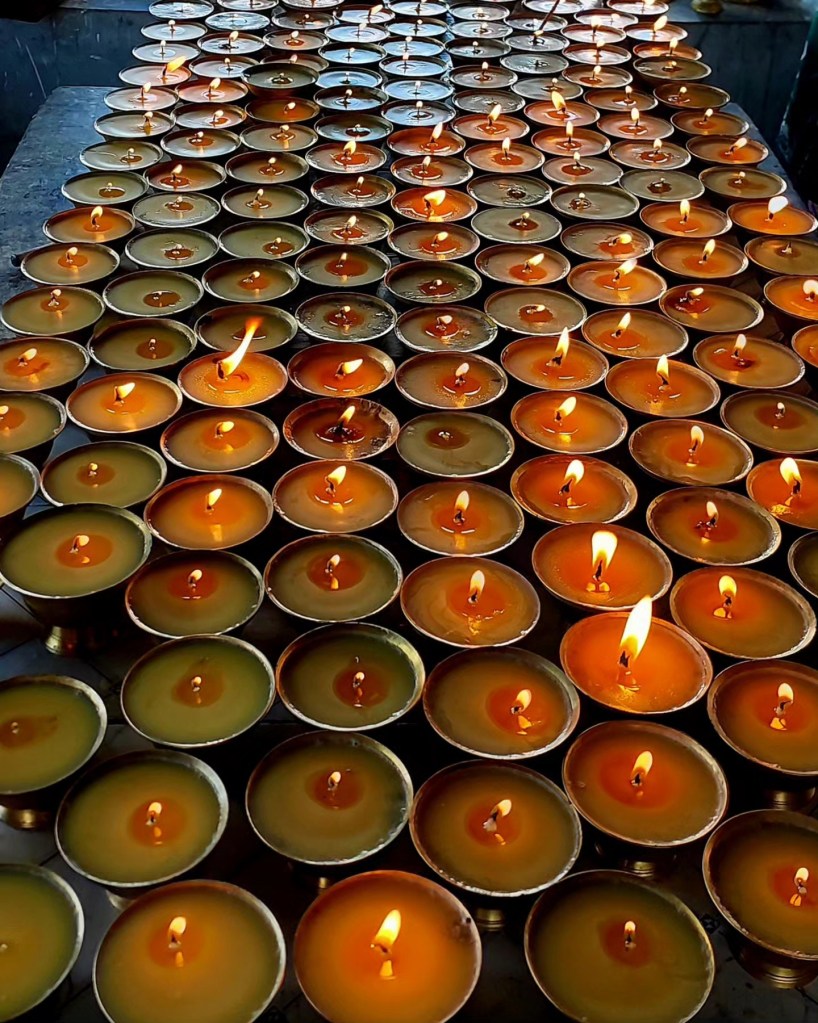
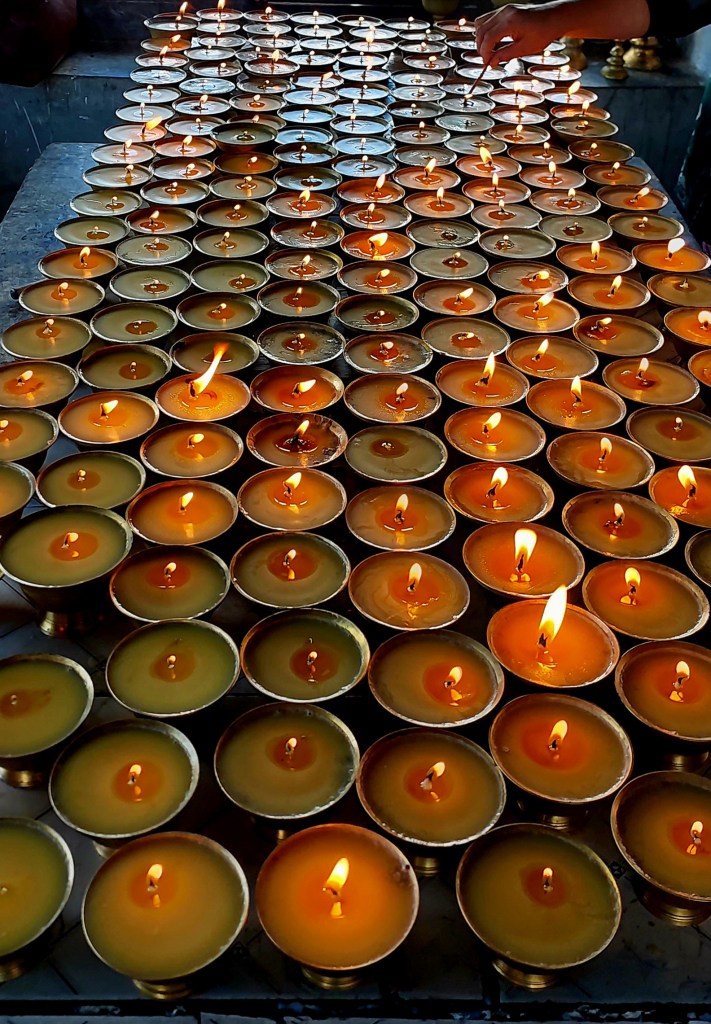
Then on the next day before we left, we offered 108 butter lamps for the benefit of all sentient beings – as promised to the local deity. I prayed that as long as I lived, I would be back to do thirteen rounds, if possible (this is Lite Version to the 108), or at least do three, which is the bare minimum.
I prayed that this place continue to attract people and help redeem their lives and their bad deeds, and reset to give them a fresh start – or simply help them to continue on their journey towards becoming bodhisattvas.
What remains. What went away.
Although doing the Dra Karp round is a pilgrimage with all the merits of cleansing your bad karma and accumulating some good ones for your next life, there are few things that shall remain with me.
Peace and contentment. As I walked in silence for the most part, one thing you can do is think a lot – or think nothing. Either way I felt both my mind and my body becoming lighter. Some hundreds of calories were burning away each day and so were the negative feelings and emotions I have been carrying with me. When you take some time off from your comfort zone, to a place like Dra Karp you see things more objectively. They seem to miraculously get less important and slowly leave your head altogether. On the third third day I was smiling all day for no reason. Contentment, I guess, is when you don’t know why you are happy.
Kindness and compassion. Dra Karp is a limestone mountain – meaning there are no water springs. And there were pilgrims who did not have this prior information and did not bring any water along. Seeing that and without a second thought I went to town one evening and bought a truckload of water and placed them along the trail, so that people could just pick them. I also helped and cheered others who were less fit than me to complete their rounds. Likewise, there were other pilgrims who offered their modest lunch with me although they were humble people from rural areas. Not wanting to embarrass them, I accepted and sat down with them and shared lots of laughters and smiles.
Self-care. Taking three days off to do this became some sort of a self-care – something that we all are bad at – especially people in higher position in the society. And yet, it was worth it for my health too. After all, what is everything without your health? During my last annual medical check-up my bad cholesterol level was above the normal. After these three and half days of strenuous physical exercise, which was preceded by a 10-day Vipassena course in Sikkim in India, the numbers went down to almost normal. Was it the blessings of Guru, or did I burn the bad LDL away? I don’t know but from now on I plan to switch off from mundane life, walk around the mountain again 108 times to balance my health numbers.
GETTING THERE
At Shaba Bridge, take right to Euthok Gonpa. Dra Karp is some 5 kilometers from the highway. Small cars can ply.
SOME IMPORTANT TIPS
Prepare. Walk at least an hour everyday for a week or a month to prepare for the 108 rounds of Dra Karp. Do not take it lightly.
Strategise. 108 in three days means 36 rounds per day. Start with 36 on fresh legs. Do 48 on the second. Finish the 108 on the third day with 24.
Food. Eat lots of carbohydrates. Wheat flour in Tibetan style is best. You need energy and glucose. Do not eat any oily or spicy stuff. You will die of acid reflux.
Start early. Wake up at 4 and start walking at 4.30 or at least by 5. Take short breaks. Go to beg by 9pm.
Walk slowly. You will be doing over 100,000 steps. If you accidentally miss just one step and twist your foot or slip, your mission is over. Walk slowly and don’t stop.
Gonpo Tongtsho means “Thousand Offering to Mahakala”. It is a fortnighly propitiating ceremony to the three Supreme Protector deities – Yeshey Gonpo, Palden Lhamo and Jarog Dongchen, done in all the sacred chambers called Goenkangs around the country.
Over 200 monks are involved and it is a costly affair. However, affluent families sponsor make it a tradition to sponsor these day-long rituals, once a year, as it is considered to raise their status in the community, as well as be blessed and protected. Sometimes families and friends also come together to sponsor it for one day in a year.
My family has been making an offering of Gonpo Tongtsho on Gonpo Duelzang (14th Day of Lunar Calendar) of the Treldha Month – in Semtokha Dzong for 5 years now. Initially we had committed for 3 years but we have kept going.
This is mainly to follow a tradition of our ancestral House in Tashigang being a Jindha (sponsor) in Tashigang Dzong. We have no idea when this was established but we have records of it going on for at least six generations.
Now that Thimphu has become our home for the last 30 years we decided to pay our gratitude to the deities here. Back in Tashigang Dzong, on this day, we also continue to fulfil the age-old tradition, without interruption.
Semtokha Dzong
Semtokha Dzong is the first Dzong built by the founder of Bhutan as a nation-state, Zhabdrung Ngawang Namgyel (1594-1651). It is thus one of the most important religious monument in the country, despite the fact that the larger Tashichho Dzong in the same valley serves as the country’s capitol building.
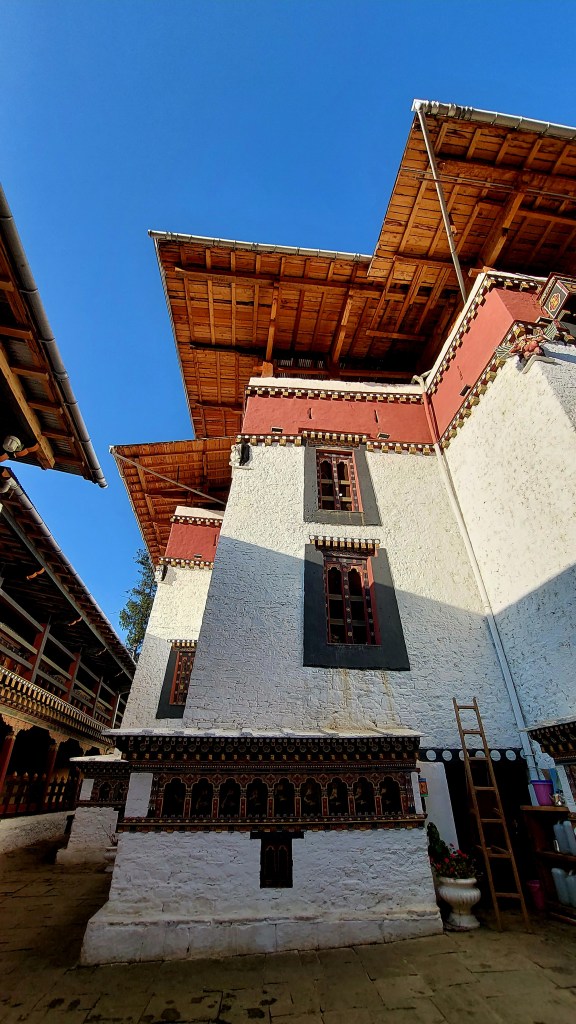
The internal architecture is unique with three temples on the same floor having the same common and large prayer hall in the middle. This way a quick visit is possible, as there is no need to do different floors to visit different temples.
Still, for the ardent devotees, the top floor has the residence of Zhabdrung Ngawang Namgyel, which has been turned into a small temple.
Vipassana is an ancient Buddhist meditation technique. It is rendered as lhak-thong (ལྷག་མཐོང་) in Mahayana-Vajrayana traditions, which means to “see more”, “see clearly”. In these traditions, though, the Lhak-thong practices require prior understanding of the core philosophies of compassion (Dz. སྙིང་རྗེ་, nyingjéy, Skt. Karuna) and emptiness (Dz: སྟོང་པ་ཉིད་ – tongpa nyi, Sanskrit: Sunyata) – and is rarely delivered to a novice or lay practitioners. Training in another meditation technique called Shamatha (Dz. ཞི་གནས་, Zhi-néy, Sanskrit: Samatha) is also seen as a requirement, or as the foundational meditation technique, in the Mahayana school and its offshoots.
Vipassana as delivered in the Goenka Tradition is a simplified, but a powerful and experiential training in Buddha’s Eightfold Noble Path. Its ultimate goal is for one to work towards liberation by focussing on the concepts of Anicca (Dzongkha: མི་རྟག་པ་, mitakpa; English: Impermanence) and equanimity (Dz: བཏང་སྙོམས་, tang-nyom; Skt: Upek-kha) in which one develops a mind that it is free from the attitude of attachment to some and aversion to others. A balanced and calm mind, so to speak. It is based on the universal law of nature that all things are in a constant state of flux, including one’s body and mind. Hence, by sitting still, observing your breath, and by exploring inwards with a calm mind, one can feel the sensations arising and fading – which signifies the impermanence nature of all phenomena.
As you enter the 10-day programme you have to deposit your ego, status, and smartphones at the Reception Desk and for the entire duration you have to live like a monk or a nun – by subscribing to the Five Precepts of Buddhism, and meditate in total silence, guided by a teacher. You sleep in a simple room, and eat what is offered by the centre through the generosity of others. Day starts at 4 in the morning and ends at 9 in the night.
In absence of such a simple, a yet profound, technique for lay pratitioners in Mahayana followers (there maybe one), Vipassana is very popular among the Bhutanese. There are many who have embraced it and continue to practise, as well as new students like me getting into it.
Does this practice contradict with Vajrayana-Mahayana practices? No. To put it simply, Vajrayana Buddhism among non-monastic followers and practitioners engage in meritorous acts such as supporting the Sangha and reciting the mantras that are believed to propel one to salvation. Vipassana invites people to undertake inward journeys only – to explore one’s mind and purify it. So the two practices are complementary.
Starting off on the New Moon of the holy Saka Dawa month and ending it on the Birthday of Guru Rimpoche, I have completed my first experience with the popular 10-day Vipassana meditation programme.
Attending a Vipassana course has been seven years (three covid-years included) in the making. I registered for it several times, got my place confirmed, but everytime I chickened out at the last moment. To be honest, I couldn’t imagine waking up every day at 4 am (I am a night owl). Or sit still for 13 hours daily, because I have recurrent back pain. I also have another condition – a mild form of Restless Leg Syndrome (RLS), which urges me to move my leg or sitting positions every few minutes. I am also claustrophobic and to have my eyes shut and be alert for a long time is out of the question. So, Vipassana increasingly became a dream. For the same above reasons, I also stayed away from sitting through religious sermons that go on for days or months.
However, covid matured me into the fact that life was indeed uncertain (I was supposed to complete my PhD in 2020. I did it only in 2022) and so, one should never put away things for some other time. Besides, I was getting neither younger nor stronger and if I really wanted to do it, I had to go for it. And this time it was it.
My Vipassana experience
Sikkim welcomed me with an incessant monsoon rain. As I made my way up the banks of the huge Teesta in a small taxi, the swollen and muddy river gushed downstream with large trunks of trees and tin roofs.
“I don’t come here in this season, but Covid made me never to skip every opportunity to earn,” says Dawa Sherpa, the taxi driver. “Plus carrying Bhutanese going on pilgrimage always makes me feel blessed too”.
I checked into the Dharma Sineru in central Sikkim with mild diarrhoea and nausea. Perhaps I picked some germs in a roadside dhaba I ate in Odlabari. I thought I would be ok the next day as we started the course, which was not to be.
There were 56 of us – 26 male and 26 females. Few dropped out by the third day. It is common for people to do that. The course is not a walk in the park.
The first day of the course was terrible. My stomach condition had worsened, plus it was bloating too – making it uncomfortable to sit. To make matters worse my tension headache struck again. Happens, and this time it lingered on. I felt miserable.
The next day my headache had subsided but my stomach was still not settling down. I persisted. Despite these health challenges I increased sittings with lotus position from two to five to ten minutes.
The Day 3 looked hopeful. My stomach had quietened. I started catching up with the group. We had to observe our breath entering our two nostrils. This was my first training in the art of meditation. I have no other experience at all. I was beginning to enjoy it when another tragedy loomed.
I started feeling a sharp pain in my left lower back. I was like, “OMG! My back is giving up”. It happens from time to time thanks to an injury from a bicycle fall in college. I silently invoked my protector deities to help me pull through.
Day 4 was, however, no better. The pain had worsened. At every break I rushed to the room, stretched and did some exercise my physiotherapist had taught me, applied a coat of Tiger Balm, and rushed to the Hall.
But during one of the breaks, one of the assistants, didn’t see me come out of my room and came in checking. I was just finishing applying the Tiger Balm. Our eyes crossed.
“My back is giving up on me,” I told him as I started finishing the routine.
”Oh! If you want I can ask the Teacher to give you some rest,” he kindly offered.
“No! No! I don’t want to miss even one session.” I replied. I will persist.
And persisting I did but barely made it to the end of the day, which concludes with a Q&A with the Teacher – Norbu Bhutia, a kind-hearted and committed Sikkimese gentleman. I approached him and told him I had a request to make. I explained to him that I needed a seat with a backrest because my back was giving up on me – thanks to a past injury.
“Oh!” he replied.
I assumed that he was wondering why I had not declared my condition in the registration form, or during registration, which would have actually led them to not qualify me for the course. Vipassana courses are done as per the Theravada Buddhist tradition, which emphasises on strict rules and code of conduct called Pancha-Sila. Not be honest about your physical condition can be construed as lying, which is one of the Pancha-Sila.
“It happened 25 years ago and it never was a big problem for me and I am leading a normal life. But this time it is snapping,” I added.
“OK,” he said, “We will arrange a seat with a backrest for you”.
Moving to top gear
From Day 5, I shifted to top gear. I slowly sat still for 15 minutes straight without moving a finger, stretching my leg or opening my eyes. I was pleased with my progress. From the earlier day we had moved from Anapanna meditation, which is observing the normal respiration as it comes in and as it goes out, to Vipassana meditation that involves observing one’s physical sensations as they emerge, without judging or dwelling on them. This way you develop equanimity because, after all, all phenomena are impermanent. So why waste one’s precious time and life on them?
The Adittana Meditation
I was not done, as yet. There was one more goal to achieve even for a new student – a 60-minute sitting where you cannot open your eyes, hands or legs. It is called Adittana (strong determination) Meditation. I was mortified by the requirement and thought that was impossible for someone with RLS.
“Your mind is more powerful than your body,” said the teacher. “If you tame your mind, you can tame your physical body”.
For me it was always the other way around. I thought that I needed to tame my body to start taming my mind. But this golden advice from him was a breakthrough. I started visualising in my mind that it was possible. And I set out to achieve it on my last day. But, lo and behold, I scored my first 60-minute motionless sitting on Day 7. Of course, I had to, and I still have to, put in lots of effort. The thing is, one should do it effortlessly.
What next?
This is just the introduction to the technique and I don’t claim (no one can) to have mastered the art in just 10 days. It will take years to make a significant progress in this field. The founder of the Vipassana movement, Shri Goenka, himself trained under his Burmese teacher for 14 years in Burma before he felt he could teach others.
And yet, for me this was a great personal achievement – to know that I can wake up at 4 in the morning every day if I want to, and that neither RLS nor a chronic back issue should limit what you want to do in life. This opens up new opportunities for me such as venturing into more serious Vajrayana practices such as Dzogchen, or short solitary retreats. I am also confident to sit through long discourses and receive Thri-Lung-Wang, literally meaning ‘Initiation-Transmission-Empowerment’, which is very popular for lay practitioners in Bhutanese Buddhism, or sit though the sacred teachings on Prajanaparamita (Dz. ཤེར་ཕྱིན་, ཤེས་རབ་ཀྱི་ཕ་རོལ་ཏུ་ཕྱིན་པ་, Sher-chin, Eng: Perfection of Wisdom), or Rinchen Terzo (Dzo: རིན་ཆེན་གཏེར་མཛོད་, The Treasury of Precious Termas).
Vipassana was a great experience and I plan to do it once every year. If for nothing, it humbles me into being a monk, even if it is for a limited time.
Most importantly, I would like to integrate the essence, or the ultimate goal, of Vipassana, and Buddhism in general, which is to deepen the concepts of equanimity and impermanence. I will make every effort to make the most of every moment – but not to over-cherish the good times because they won’t last, and not to over-despair during bad times because they won’t last either.
And if either good times or bad ones overpower you, observe your breath as it comes in, and as it goes out.
BHAVATTE SABBE MANGALAM – May all beings be happy
Getting there
Dhamma Sineru is set in the rural mountains of central Sikkim with a view of the Himalayan peaks of Kanchenjunga, Lachen and Lhachung. It is around 7 hours drive from Bagdogra Airport, New Jalpaiguri Train Station, or from the borderingy city of Phuntsholing in Bhutan.
It takes about 30-60 minutes from Gangtok.
Who should attend it?
From what I gathered in this first 10-day course, Vipassana is ideal for any adult – and especially for those in. It humbles you into seeing the reality as it is. You realise that none of them will ultimately matter. For 10-days you live a life of austerity, discipline and anonymity that is free from ego, greed or jealousy – The Three Poisons that keep us in samsara.
Although Vipassana is not a therapy for any illness – mental or physical, it is very therapeutic for both body and mind. The body gets some rest from the excessive sugar, carbs, or processed food. Mentally it purifies your mind into clearer thinking.
It is highly recommended for mid-career professionals and people heading towards, or passing through, mid-life crisis. It gives you a great opportunity to take stock of your life, and strategise what remains of the years ahead.
What does it cost to attend one?
All Vipassana courses are delivered FREE of any mandatory fee to the participants. You may donate after the course if you feel you benefited or that someone can benefit with your donation. The only cost is getting to the venue.
From Bhutan it costs Nu. 8,000 and up (as of July 2023) to be dropped at the centre by a taxi from Jaigaon (India). You can ask the same taxi to pick you up if you don’t want to stay on for a few days exploring Gangtok or Tashiding after the course.
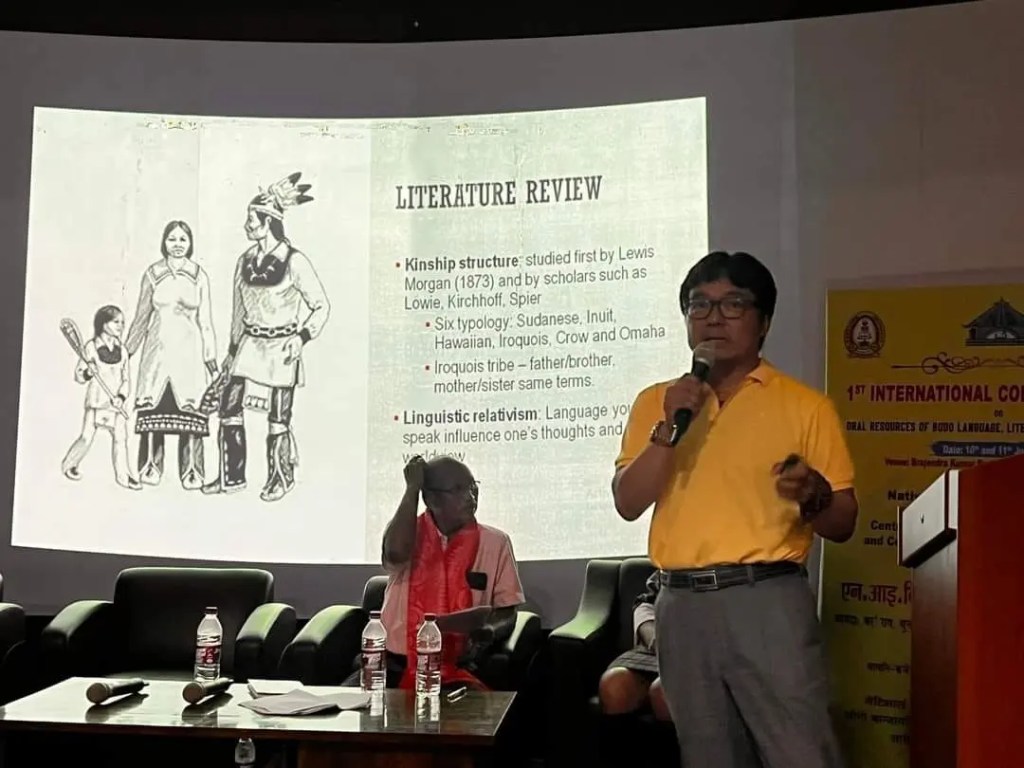
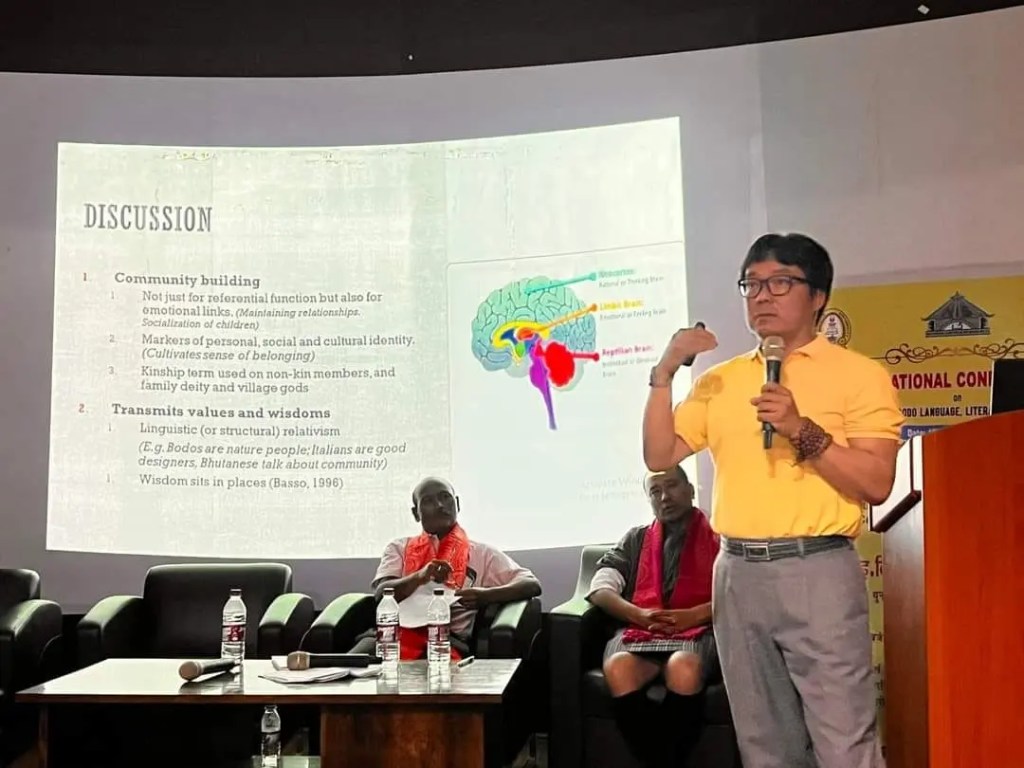
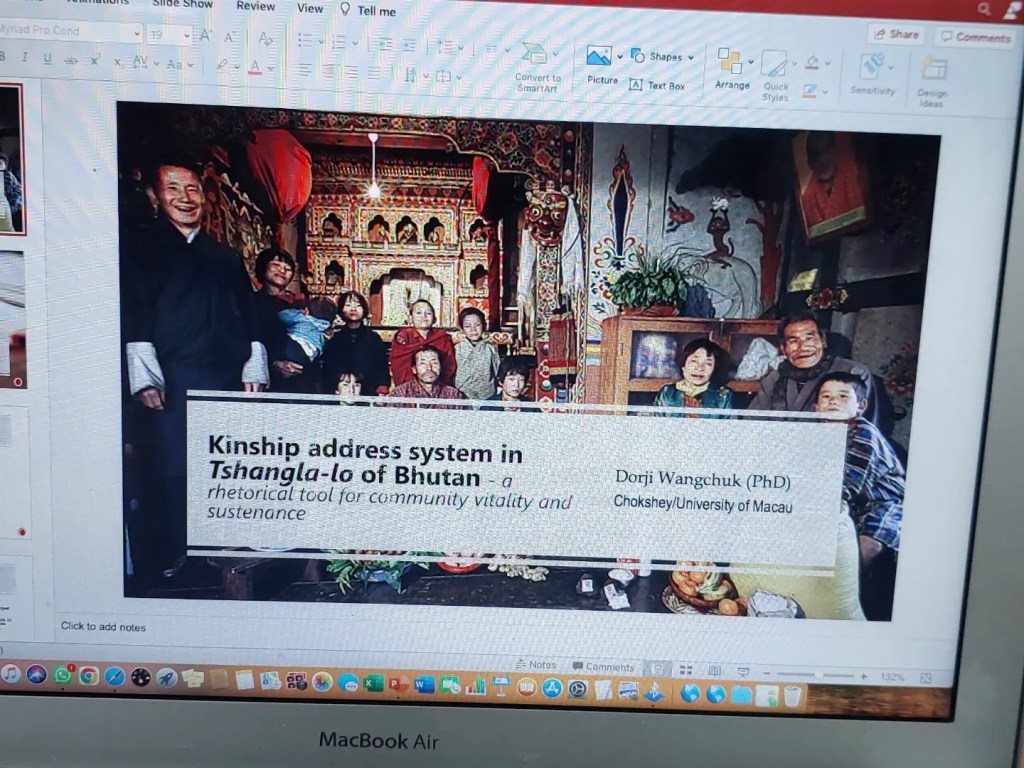
In social anthropology, kinship address system is how members of a family refer to other members of the same family or a clan. For example, we call our mother, ai, in Dzongkha and ama in Tshangla-lo of Bhutan, and apa for father in both.
Different communities, ethnic groups and cultures around the world have different kinship address systems. For instance, among some native American nations like the Iroquois, paternal uncles and father are addressed with the same term, while mother and aunts had the same. In some other cultural groups, they have gender neutral terms for brothers and sisters.
The study of these terminologies reveal a lot about the value systems, what is being valued, and the social and cultural traditions. Besides, native languages have been passed down from earlier generations bundled with stories, beliefs, heritage, wisdom, and memories.
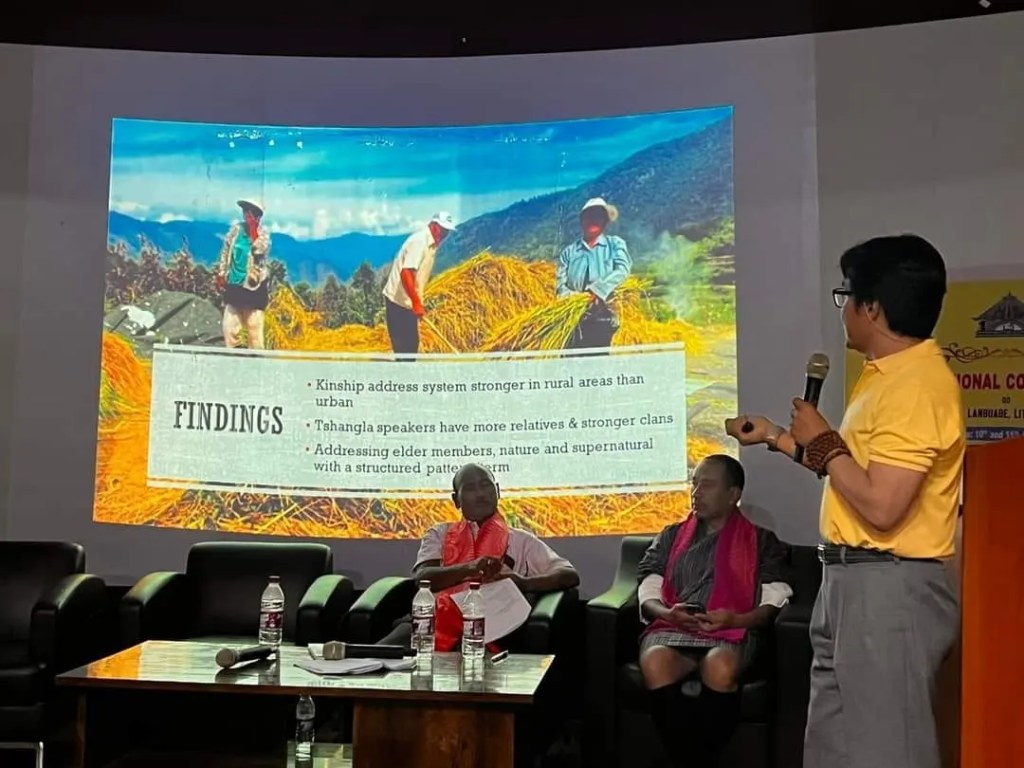
The Tshangla community of eastern Bhutan has some of the world’s largest repertoire of kinship terms – around 30 in all. English has around one third – around 10. This suggests that such rich terminologies help build and sustain the large extended family culture among the Tshanglas. Having a term for each member, such as aku (father’s younger brother), apchi (father’s elder brother), ajang (mother’s brother), azem (mother’s younger sister), amchi (mother’s elder sister), may help establish an emotional link between interlocutors, and not just serve the referential function. Consequently, people feel connected to every member of the family or community.
Kinship terminologies also find their way in the socialisation of young children. Tshangla elders make every effort to teach the children the proper kinship term, and how people are related to each other. For instance it would be something like, “She is not amchi. She is your ani. She is father’s mother’s sister’s daughter”. Such a structured socialisation process makes everyone feel part of the community. It then creates a strong sense of belonging in the people. Eventually a stronger community, and a nation is achieved.
Standby parentsculture
The words, amchi and azem (mother’s elder sister and younger sister respectively) are abbreviated from ama-chilu (big mother, mother’s elder sister) and ama-zemu (small mother – mother’s younger sister). These term imply that in the event of the demise of the biological mother, the sisters of the mother have the responsibility to fill in and take the child/children as their own. Likewise aku and apchi are abbreviated from apa-zemu (small father, father’s younger brother) and apa-chilu (big father, father’s elder brother). This arrangement was necessary in the past when maternal mortality from child births were very common. And men left for trade, or into the jungles, and sometimes did not return.
This tradition also entailed that you could not marry your parallel cousins, while cross cousins was allowed. The standby-parents culture could entail your parallel cousins becoming your siblings at any time. In fact the kinship terms for parallel cousins are the same as sibling terms – kota (younger brother), usa (younger sister), ana (elder sister), ata (elder brother).
Not just cosanguineal
Traditional Tshangla society requires one to acknowledge relatives up to seventh degree. This even include affinal relatives such as through marriage, besides the consanguineal relatives, which are relatives through bloodline. A cousin of mine followed this rule and estimated that I have 2,400 relatives.
Tshangla elders also insist on reconnecting with affinial relatives of the past, arguing that we are sognu thur (one family). For instance, there were inter-marriages between my ancestral house in Tashigang and the house of Ngatshang Koche. This past alliance entitles us to refer to members and descendants from that house as our relatives – as one family.
(Excerpt from my paper – Kinship terminologies in Tshangla-lo – a rhetorical device for community building amd sustenance, delivered at Central Institute of Technology, Kokrajhar)
The PPT file can be downloaded from the link below
A legend goes that a man accidentally entered the mythical paradise. After wandering aimlessly for a while he found a tree to shelter himself from the heat of the Sun. Having refreshed a bit, he felt hungry and wished for some food. Immediately the food appeared before him. He then thought he would like some wine. The wine appeared too. Startled and shocked, he thought some ghosts were there providing him everything. Then the ghost appeared.
In the Buddhist mythology there is the legend of wish-granting tree known as the pagsam jongshing (Dz: དཔག་བསམ་ལྗོན་ཤིང; Skt: Kalpavruksha). Wish-granting trees are believed to bestow any wish one makes.
There is a story that in Paro, at the spot where Nyephu Gonpa is located today, there once stood such a pagsam jongshing tree. The people back then wished for abundant harvests. Their wish was granted. They received an endless supply of grains, fruits and vegetables – to the point that they became idle, bored and wild because they didn’t have to work.
They got so wild that they even attempted to kill the lama of Do Choten Gonpa, Gyalwang Choeje Kunga Paljor (1428-1476). The lama and his attendants and animals are believed to have flown away from there before the mob made it to the hermitage. (There is a detailed account of how they achieved the flying skills).
Subsequently, the local people also chopped off the pagsam jongshing tree.
Though there is hardly any trace of the tree today, it is said that one can still make a wish on the spot. So, here I am, on the Duechen Ngazom (Vesak Day) of 2023 making my maiden visit to say a wish. I also had the most amazing day.
The Baeyul Neyphu Valley, Paro
From Shaba Bridge, coming from Thimphu, if one turns right and takes the dirt road, one enters the Neyphu Valley. Some refer to it as Heyphu, after the name of the village below Neyphu temple.
Neyphug literally means “the sacred hermitage caves”. According to lopen Karma Jurmey, who completed a six-year retreat at Menchunag, there are 108 sacred caves. He adds that Neyphu area holds the key to the mythical paradise, called Bae-Yul in Dzongkha, and that by just setting foot in the area, one is liberated from being reborn in the lower realm.
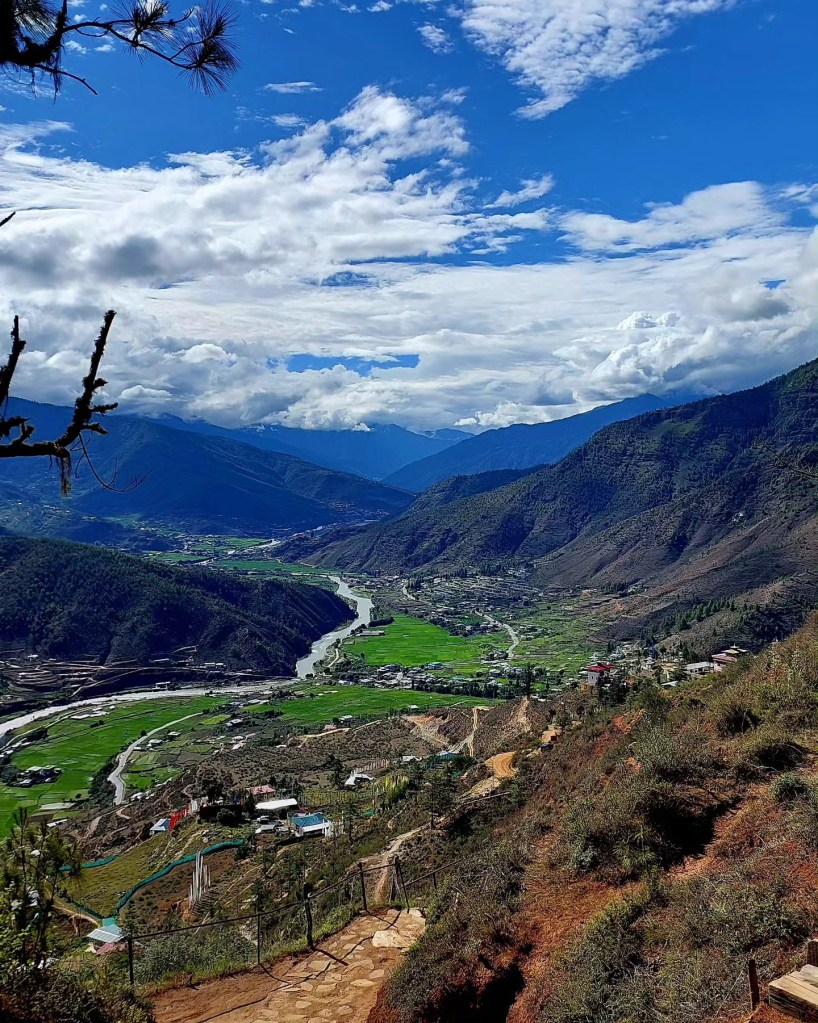
As one drives up, the valley slowly rises in altitude and after many twists and turns you reach a beautiful and blissful spot – surrounded by mountain-top temples of Do Choten, Bemri, Dongkala and Phurdo Gonpa. It truly feels like a Bae-Yul (hidden paradise) as mentioned in the holy scriptures. You only realises its sacredness when you leave the valley and hit back to the Thimphu – Paro highway.
There is rock face in the valley, says our guide – a young monk in Neyphu Gonpa, where an old man from Shaba saw a temple. He left his load at the “entrance” and never came out. His load remained unattended there for many years till someone took it and now is kept in a nearby temple.
Terton Ngawang Drakpa
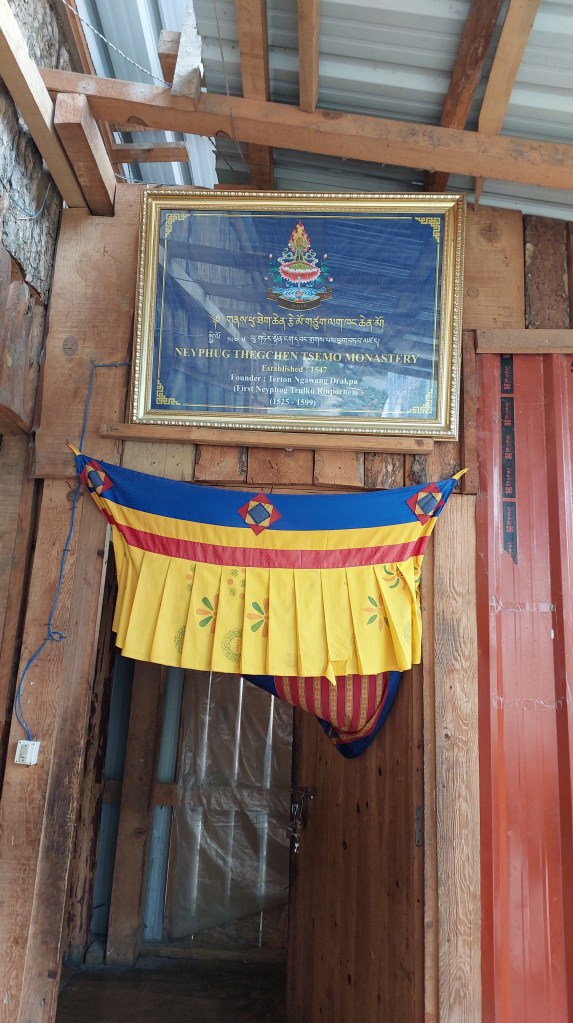
Neyphu Temple was established by terton (treasure revealer) Ngawang Drakpa (1525-1599), a Peling lama, born in Sha Kunzangling. According to some sources, he attained enlightenment-like state at the peak known as Samten Tsemo (where Bemri stands today), and was looking for an appropriate site to establish a seat for his Dharma activities. The village elders of Neyphu valley offered that spot where the pagsam jongshing tree once stood.
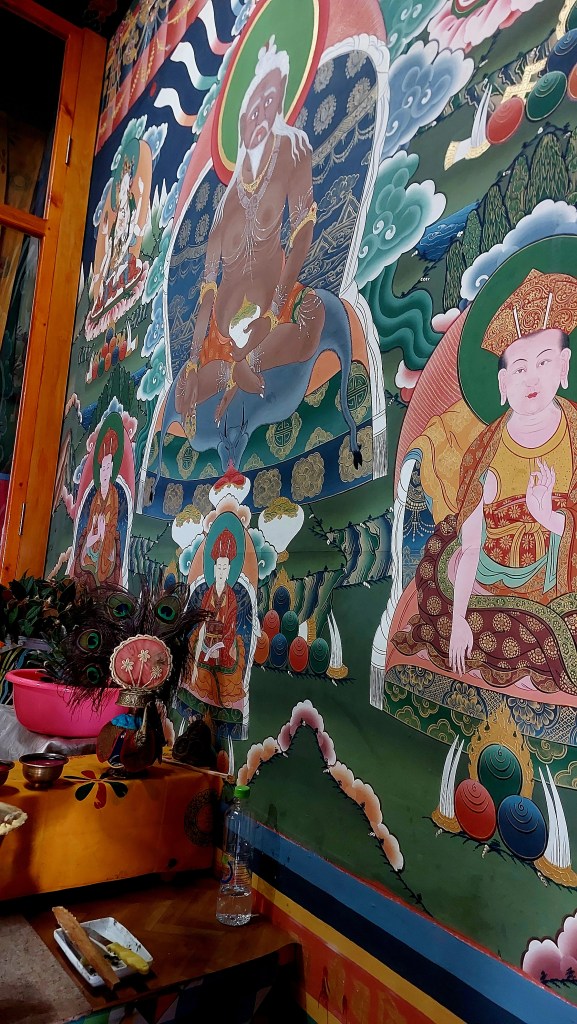
The birth of Terton Ngawang Drakpa was envisioned by Terton Pema Lingpa (1450-1521), who left instructions to his son, Thuksey Dawa Gyeltshen, to confer to him all sacred and secret teachings and practices. Terton Ngawang Drakpa, thus travelled to Bumthang and not only was a student of Thuksey, but later also became the teacher to Terton Tshering Dorji, who founded Nyechen Dongkala. He was thus one of the greatest Bhutanese yogis and dzongchen masters of all time, who started the lineage of Nyephu Trulku. The current one is the Ninth Nyephu Trulku, Ngawang Shedrup Chokyi Nima.
In his previous existence, Terton Ngawang Drakpa was Acharya Yeshey Yang – who was a disciple of Guru Padmasambhava and responsible for all clerical works.
Neyphu Monastery
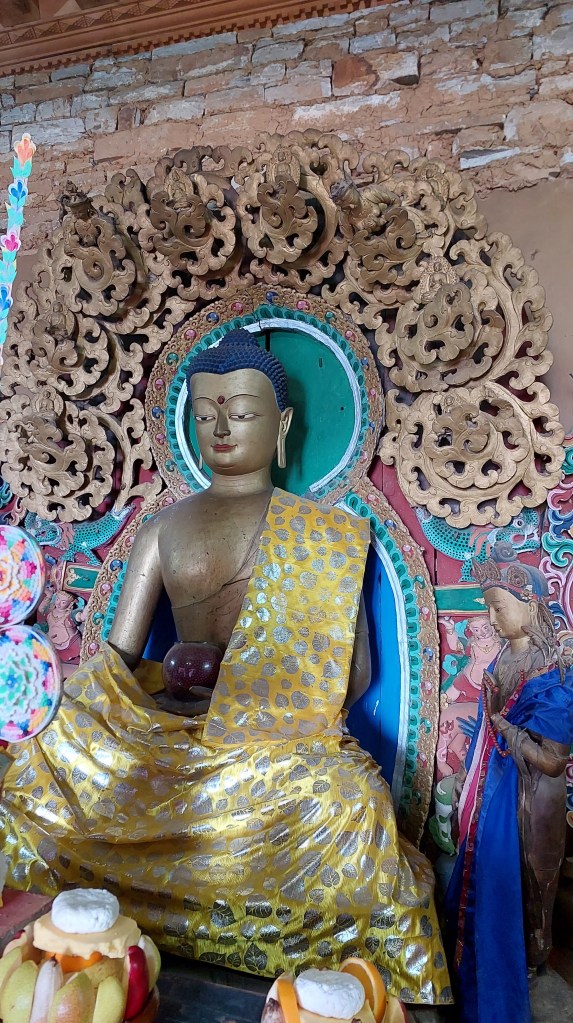
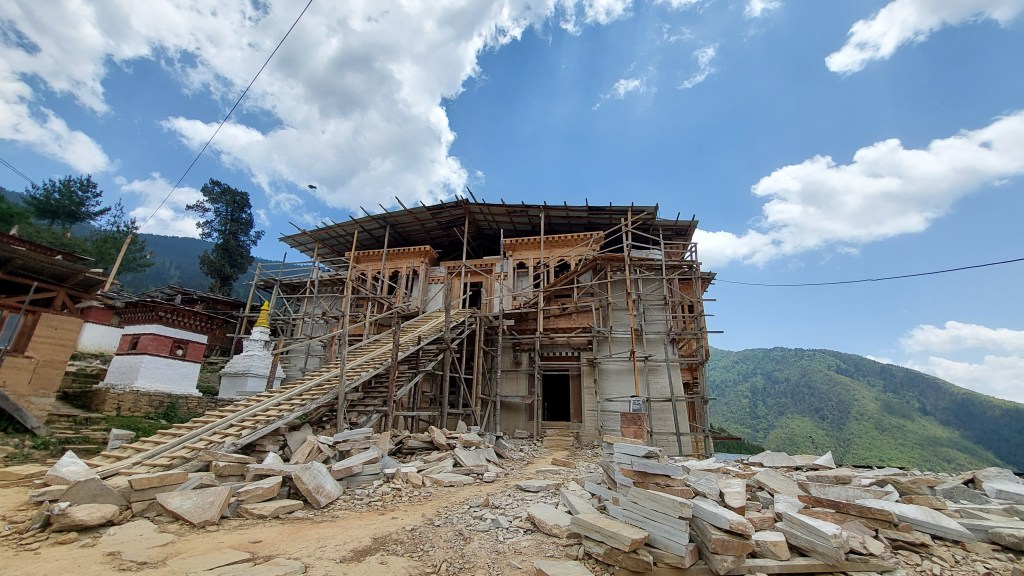
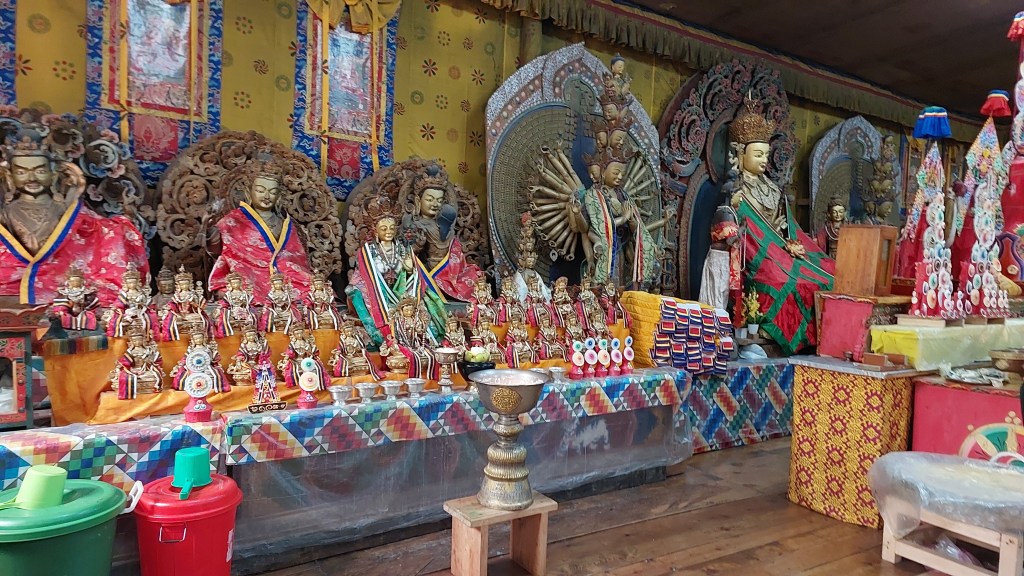
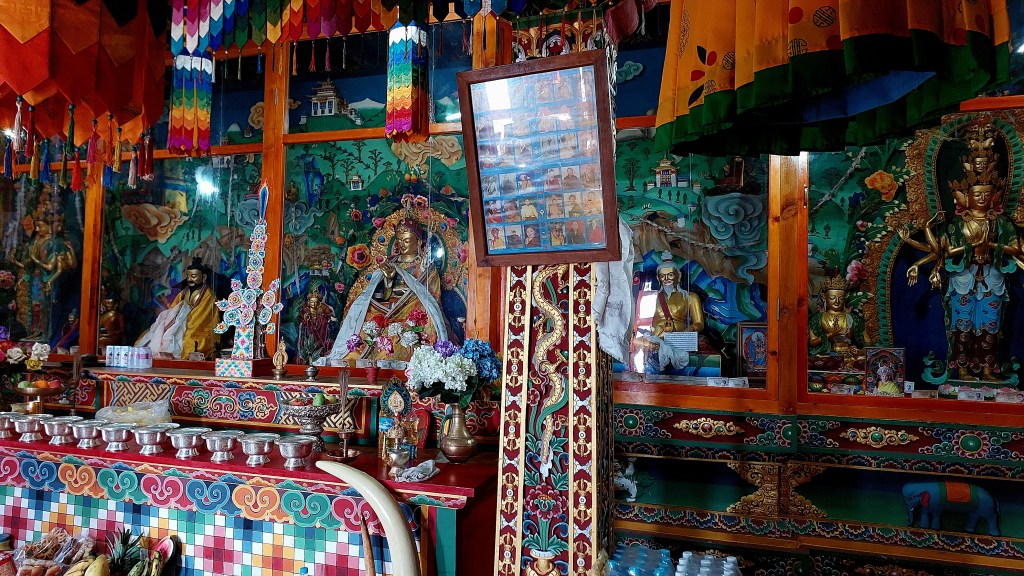
The temple is under construction and all statues are in a temporary hut, except Duesum Sangye ( Dz. དུས་གསུམ་སངས་རྒྱས; Buddhas of The Three Eras – Buddha Dipankara, Buddha Shakyamuni and Buddha Maitreya) on the ground floor. The statue of Shakyamuni is considered as sung-joen (talking statue) and hence is very sacred.
Those destined for the top floor are Guru Padmasambhava, Dorje Sempa (Vajrasattva), Sangye Tshepamay (Amitayus) and two Chenrizig Chukchizhey (Eleven-arms Avalokitesvara). Of special interest is the set of the statues representing the Eight Manifestations of Guru that were sculpted by the Fourth Neyphu Trulku, Sangdag Neduen Dorji.
The scripture/speech relic (sung-ten) is a set of Kanjur – the holy cannon of Buddhism, believed to have been written by the Second Nyephu Trulku, Sangag Gyeltshen (1600-1661).
Guru kutshab – the main treasure of Neyphu
As the most-sacred inner relics, known as the nang-ten, the monastery also has one of the Five-Envoy-Statues (སྐུ་ཚབ་) of Guru Padmasambhava – considered to be the kutshab (physical representations) of Guru, the blessing of which is at par with meeting Guru in person. (See below for background of kutshab)
The caretaker-monk says that the Kutsab statue was retrieved from the large Buddha statue at Kyichu temple in Paro. Terton Pemalingpa is believed to have seen it in his vision, and revealed it to his son, Thugsey Dawa Gyeltshen, who then later instructed Terton Ngawang Drakpa to retrieve it.
Other sacred relics are a pair of shoes that belonged to Guru Padmasambhava, the ritual hat of Zahor King, worn by second Neyphu Trulku, and a clay-statue of Jampayang (Manjushri), which is believed to have come flying from Tibet.
The monastery also has the Chamber of the Protector Deities of the Nyingma Tradition – Ma-Za-Dam Sum, which is the short form of Mamo Ekajati, Za Rahula, and Damchen Dorje Legpa – the main protectors of the tradition. Inside the chamber is also the statue of the ferocious local Gyelpo (king-spirit) Kuntu Zangpo, who is the lord of the area.
The statue is displayed once a year on the 15th Day of the 5th Month in the lunar calendar.
The Neyphu Monasteries Network
Neyphu Monastery is not a single stand-alone temple but the centre of a vast and loose network of temples and monastic institutes in Paro, such as Bemri, Chorten Gangkha, Menchu Gonpa, Minrekha, Phurdok Gonpa, Tshedrak Gonpa, Tsundru Gonpa, Yangchi Gonpa and Zhelgno ruins (which has now been restored into a heritage house with a cafe (Your Cafe) to support the monastic body).
The Centre of clay art
What little known fact is that Neyphu is where the art of clay statue making (jin-zo) was invented. Hence, it is culturally one of the most significant temples in Bhutan. Even today many lamas and artisans visit Neyphu Gonpa to take the measurement of the statues and also use some a model (I did this too to make two statues of Khandro Yeshey Tshogyel and Khandro Mendarawa for another temple).
In particular the statues of Guru Tshengay (Eight Manifestation of Guru) are supposed to be the best in terms of representation. The fourth Neyphu Trulku, Sangdag Nueden Dorje, is supposed to have made them based on the visions he saw. Today he would be regarded as the inventor of clay art.
The Stalking Spirit of Neyphu
Although Neyphu Gonpa is one of the most sacred Nyingma temples in Paro, at par with Neychen Dongkala or Mendrup Gonpa, it does not receive the same pilgrimage traffic. The reason is because of the fear and the myth of the stalking spirit called Neyphu Gyelp. This spirit is believed to be very powerful, and malignant too, who chooses to harm innocent pilgrims and people after stalking them.
However, there is some confusion, it seems. According to Neyphu Trulku, first of it it is not Gyelp Kuntu Zangpo who stalks you, but another king-spirit. Second, it is not this king-spirit who is malignant but the female spirit called Shaza Khandro maybe harming the people. In any case, both the spirits are now hosted and sealed in the upper most temple in the complex called Goen Gom.
Therefore, visiting this Gonpa, with its rich repertoires of sacred statues, and the Three Protectors of Nyingma Tradition, is highly recommended.
Around Neyphu Monastery
When you are half way up to Neyphu Gonpa from Shaba, there is a stupa, believed to be built by Gyalwang Je Kunga Paljor, and which contains one of the relics of Sangye Yoesung (Buddha Kashyapa) retrieved by Drubthob Gyem Dorji from Dzongdrakha. It is called Chorten Gangkha temple and the stupa is inside the temple.
After crossing Neyphu Gonpa, few minutes up where the road ends is Menchunag Gonpa, the spot where Tshang Khenchen Pelden Gyatsho lived and died, and where there is a mind-blowing self-arisen painting of Avalokitesvara, and self-arisen mantras on the rock.
When to visit
The most significant day is the 8th Day of the Second month, coinciding with the Birth Anniversary of terton Ngawang Drakpa, all the sacred relics are displayed for public viewing. What is very special would be to view the Guru Kutsab statue, which is equivalent of meeting the Guru in person.
The fifteenth day of fifth month is also auspicious to visualise the Guru Kutsab
Notes:
Guru Kutsab
In the Eighth Century, when Guru Rinpoche was leaving for the southwestern land of the Rakshas, King Muthri Tsenpo of Tibet requested Guru to leave something behind to represent him. It is said that Guru instructed Acharya Shantarakshita to make five statues with five different costumes – of Zahor, Nepal, India, Tibet and China. The statues were buried into the earth as termas, to be revealed by tertons at a later period.
These lines were believed to have been spoken by Guru to King Mutri Tsenpo on the sacredness of the Guru Kutsab:
Whoever sees or gets blessings from these statues,
it is no different than seeing me, Guru Padmasambhava!
As for the temporal, they grant whichever common attainment one may wish for,
And ultimately, to the abode of myself, Padmasambhava, escorted with honor by the assembly of Dakas and Dakinis, will be brought to the Supreme Celestial Mansion of Lotus Luminosity!
Even the places where these statues are kept, would have no difference as that of the Celestial Mansion of Lotus Luminosity!
Huge gatherings of Dakas and Dakinis will take place, auspiciousness would pervade everywhere and there will be bountiful crops and cattle,
The kalpa (eons) of sickness, war, and famine would soon get over!
The “talking” BuddhaOne of the eight manifestations of Guru. The entire set was sculpted by Fourth Nyephu Trulku as he saw them in his dreams.Today is full moon day of the Fourth Month. It is called Duechen NgazomLopen Karma Jurmey completed six years of meditation in the caves around the areaNeyphu Valley looking towards Paro ShabaTerton Ngawang Drakpa – the founder of the place9th Neyphu Trulku with Zahor Guru uzha (ceremonial hat)Neyphu Heritage and Your Cafe, Thimphu – Paro highway in ShabaThe Zhelgno manor has been rebuilt to help sustain the monastic body
It feels nice to visit Phurdo Gonpa after two years. After my first and last visit here in 2020, a friend and I gifted them a large water tank.
Phurdo Gonpa is on a mountain top in Paro Shaba, and was established by Drubthop Thangtong Gyalpo (1361-1485), a Tibetan yogi-artiste-engineer. He is best known for building iron chain bridges across the Himalayas, some of which are still in use today.
Thangtong Gyalpo, who was invited here by Drake Tsen and Aap Chundu, while meditating here, saw in his vision the whole mountain range as Mount Potala, the Abode of Avaloketeshvara, in a shape of a phurpa. Hence the altar of this temple is designed as Mount Potala with all the nearby sacred sites such as Bemri, Jelela, Dongkala, Dra Karp, Mendrup Gonpa. The spiritual merit of visiting this mountain is the same as visiting the sacred abode of Potala.
The center statue of the altar is Guru Nangsi Zillnoen (Guru Padmadambhava). He is flanked on either side by Cherizig Chha-Tong (1000-arms Avalokiteshvara). On the right side of the altar is Namsey Zambala – the Wealth Deity, and the Protector deity Mahakala.
Phurdo comes from the Dzongkha word, phu, which means “to fly”, and “do” (boulder). It is derived from the legend that a stone stupa below the temple attempted to fly away with Drubthob Thangtong.
The stupa called Lho Penden has stone slabs on its two sides. The story is that they are self-emanated wings, which sprouted from itself – to be able to fly with the yogi to Tachogang. However, the yogi left him back here. And, thus, it was also called Phurdo (flying rock) and the gonpa took its name from it.
Another interesting relic to see is a 6-feet tall monolith called “Dhoring” (Stone pillar) which is said to be the physical height of Thangtong Gyalpo himself.
My first visit here was in 2020 after I saw a post about the caretaker pleading with the devotee to bring water.
Phurdo Gonpa sits on a limestone mountain top. And like any limestone or dolomite mountain, the water table must be way down in the valley, and not anywhere near the peak. In fact I discovered there are no water springs near any of the temples on this mountain. So all temples such as Dongkala, Mendrup Gonpa, Bemri, Dra Karp have no water source. Since time unknown they harvest rainwater and snow and at other times they walk for hours every day to distant water springs.
During my first visit I noticed that Phurdo Gonpa didn’t even have a large water tank for storage to meet the needs of the dry months. So, a friend of mine and I donated a 5000 litres water tank to help them pull through the fall and the winter months.
Take water:
To all devotees visiting Phurdo Gonpa, Mendrup Gonpa, and Dongkala, take cartons of bottled water, besides the butter and incense sticks. There is a very good road till the doorsteps of the temples.
Who should visit:
Everyone, and especially engineers, artists, writers. One belief is that Thangtong Gyalpo is supposed to have conquered the five elements of nature – earth, wind, fire, water and space. A statue of Thangtong is a must at home to avert natural disasters.
Getting there:
After Shaba Bridge, coming from Thimphu, turn right at the bridge, and head for Yuthok Gonpa and Dra Karp. Phurdo Gonpa is an hour drive and is on top of the mountain past Tenchekha village and Mendrup Gonpa. Small cars are welcome.
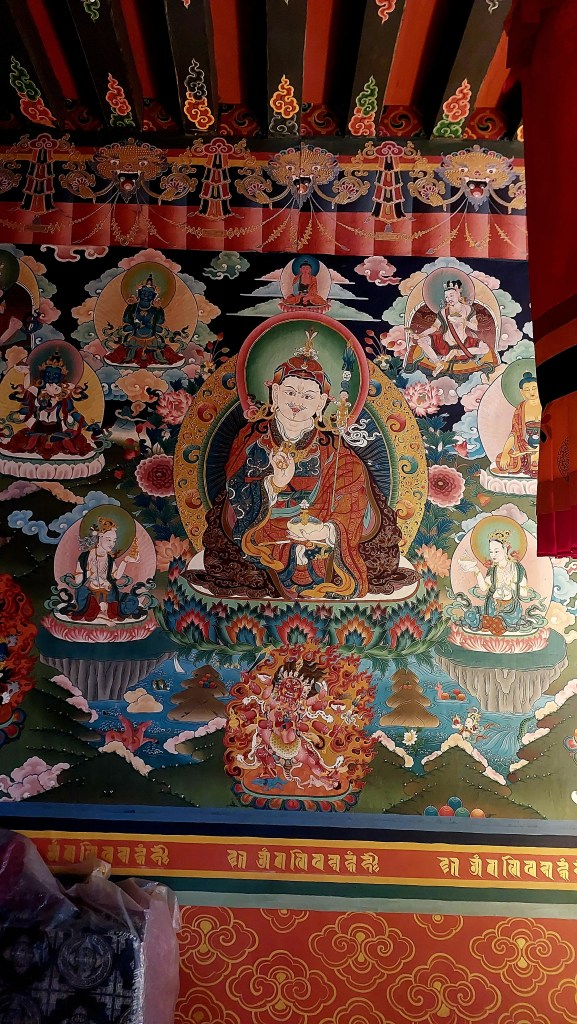
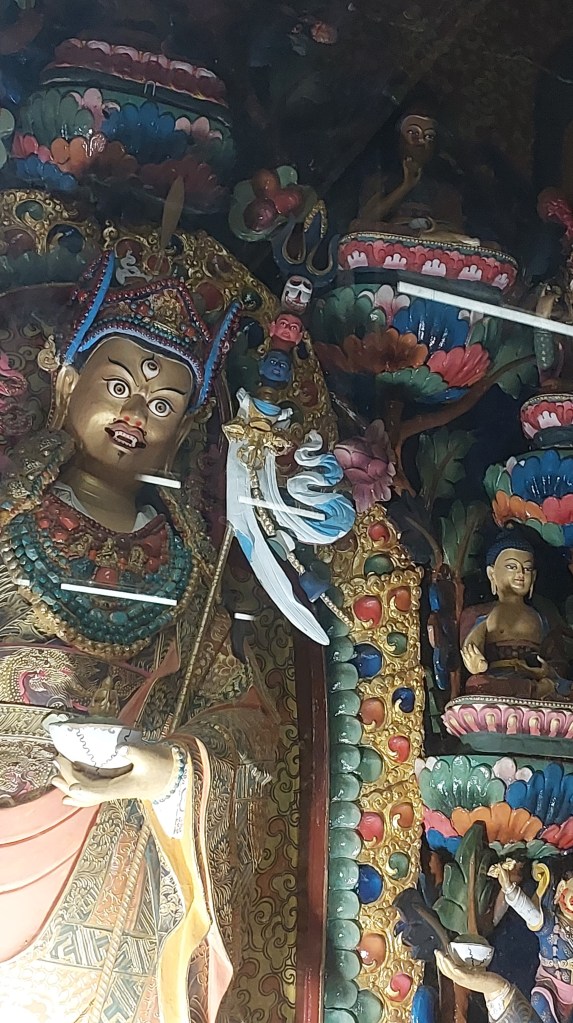
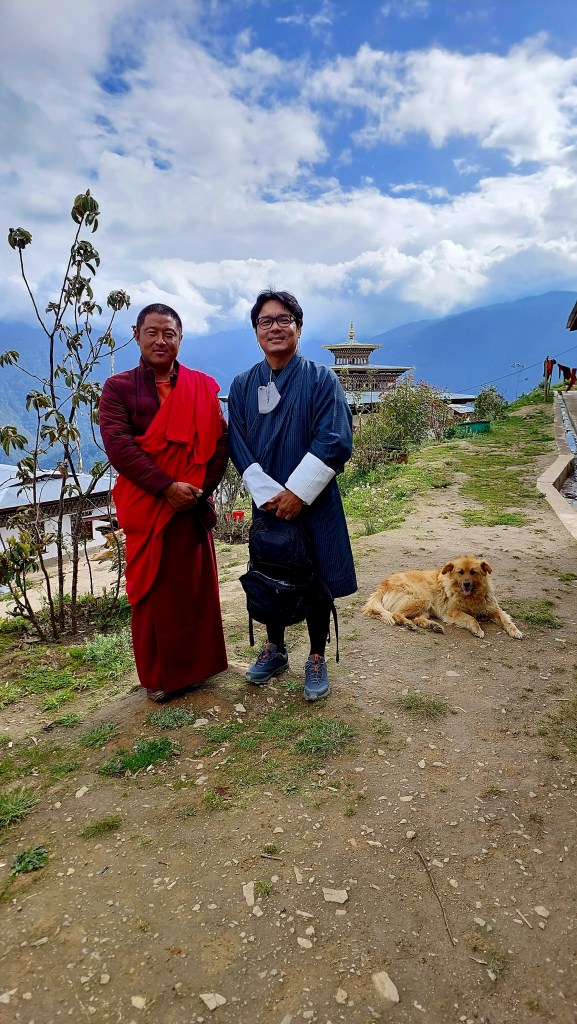
Tshedrak Gonpa, Naja Gewog, Paro – In September 2020, Guide Chimi, popularly known as the Prostration Man, reached out to me. He was initiating a set of large statues of Guru Sampa Lhendrup and the Eight Manifestations, for his village temple, Tshedrak Gonpa, in remote Naja gewog in Paro. He asked me if I could sponsor of the Eight manisfestations of Guru statue.
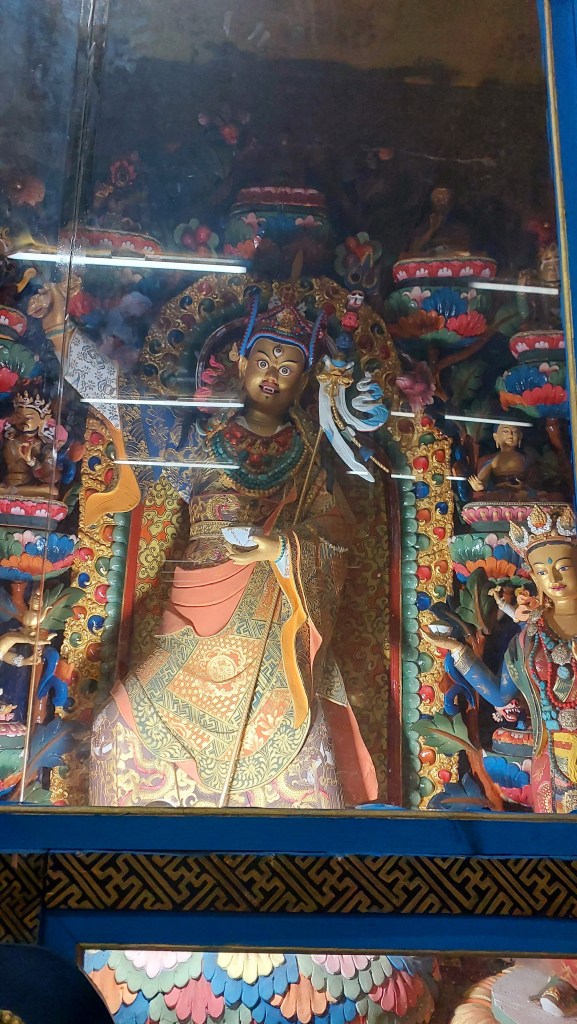
I told him, “Why not?” And paid the statue maker directly for Guru Pemasambhava.
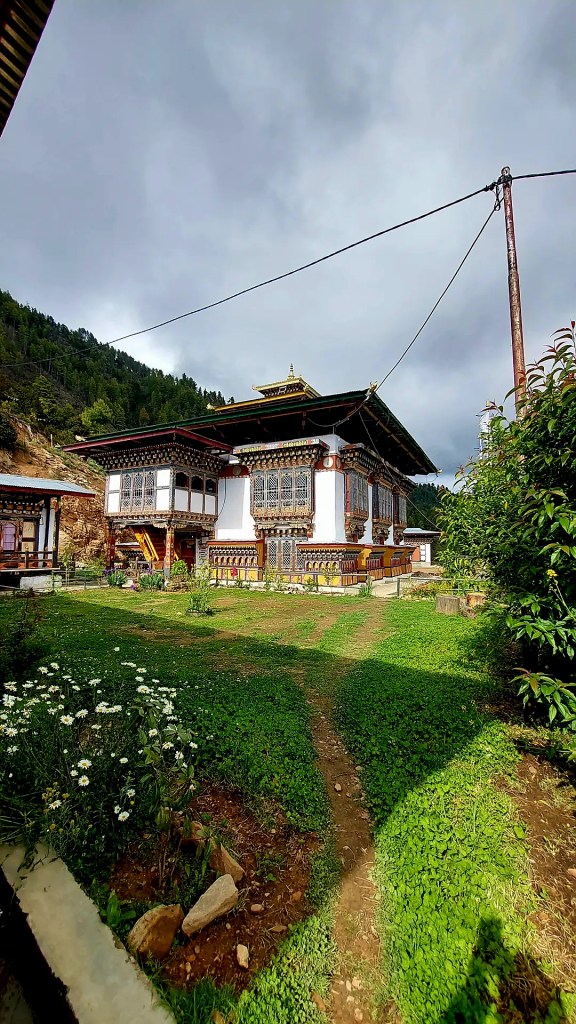
I had never been to Tshedrak Gonpa but the opportunity to be a part of this magnificent spiritual project was enticing. It is not that I had excess money either. However, I thought, first of all, my descendents and I can someday visit this temple, or drive past it, with pride that I played a small part in rebuilding this religious monument.
Second, money will come and go. But time only rolls in one direction. It will be an instant when you realise that months have passed by and years have turned into decades.
And then decades will become centuries and, one day, we will be long gone. But this temple will remain. Caretakers will tell the stories of some devotees of destiny, who built this temple. Just as we are proud of our past heritage and our ancestors, our descendents will feel the same about us. I always say that our generation must do our bit instead of basking in past glory, or instead of whining that nothing is enough.
So, on this Tara Day of the Sage Dawa month I decided to make my maiden visit to this temple I heard so much about, and to also see for myself what I had actually got into.
The Rocky Cliff of Longevity
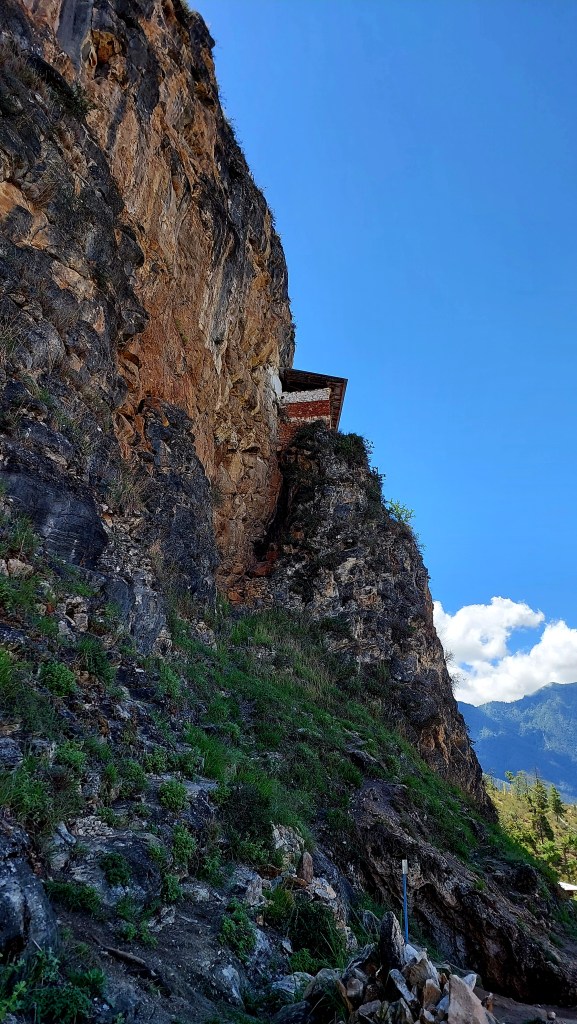
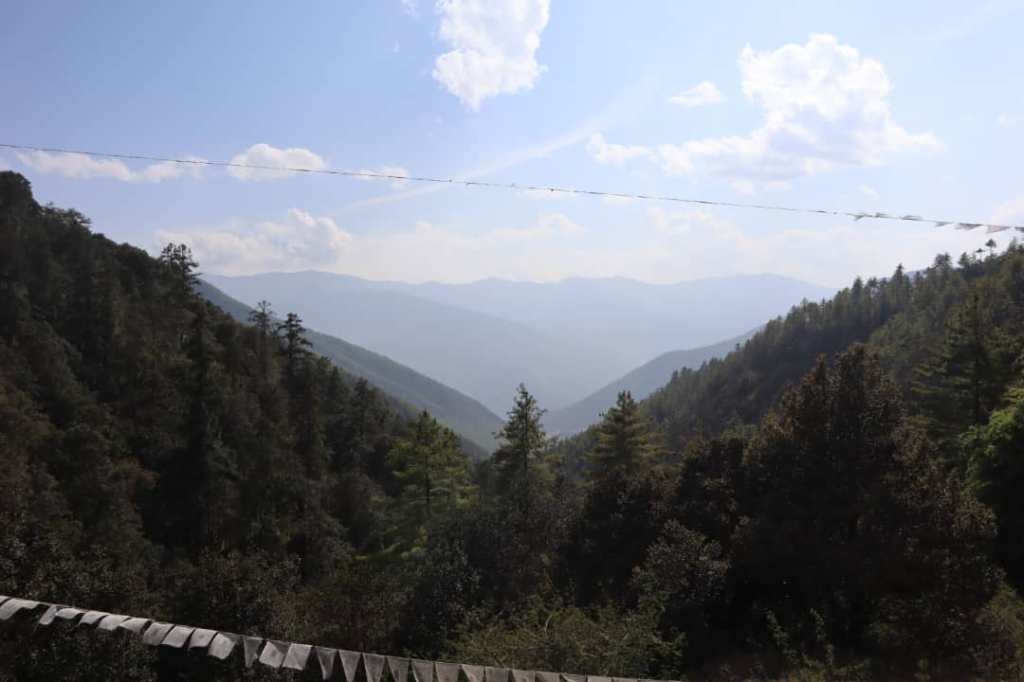
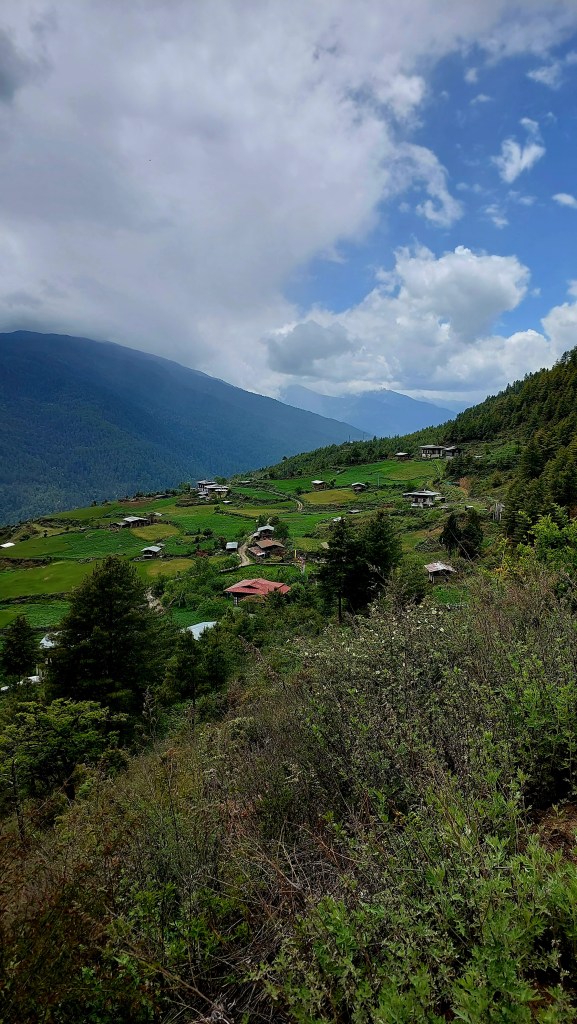
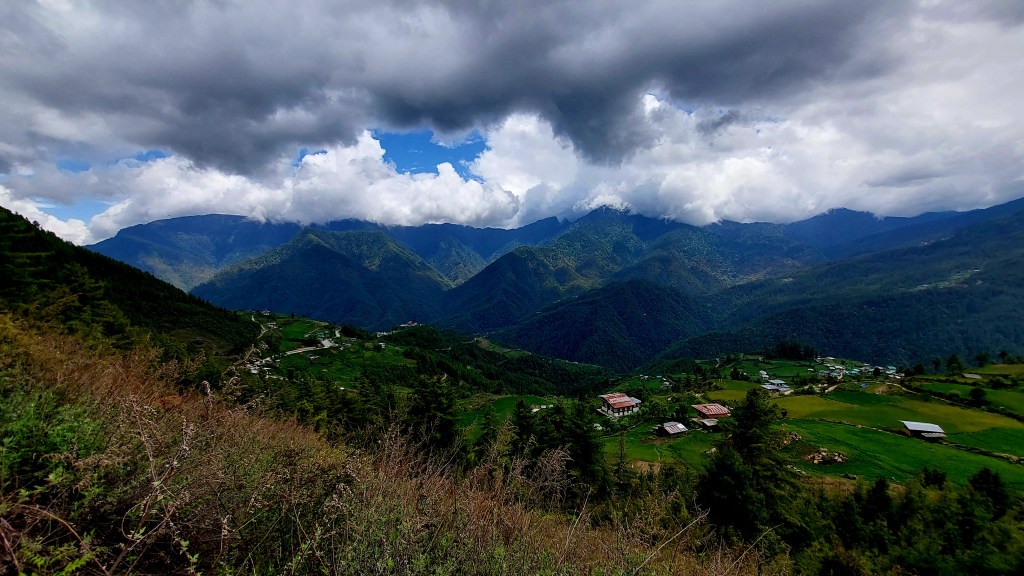
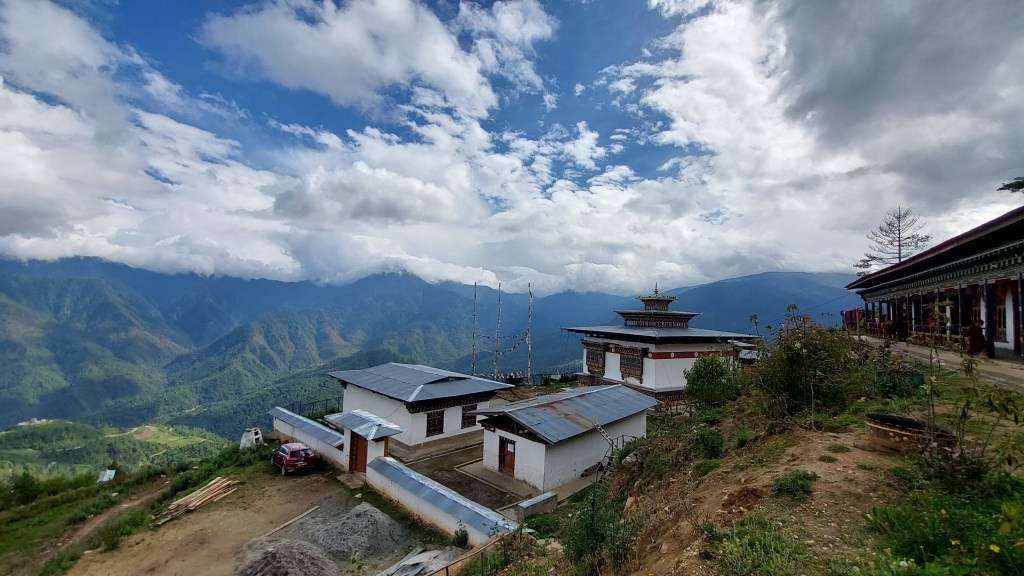
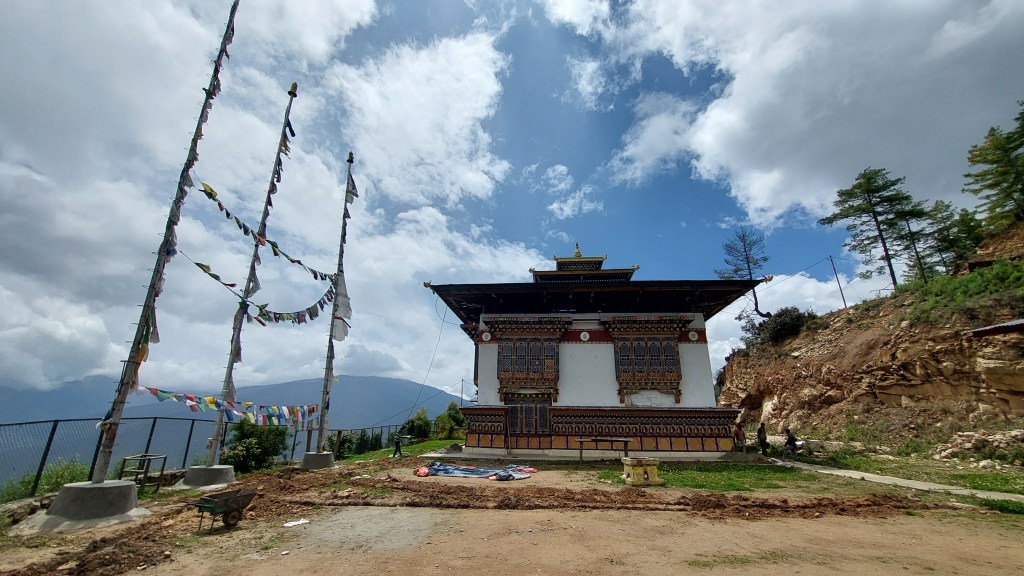
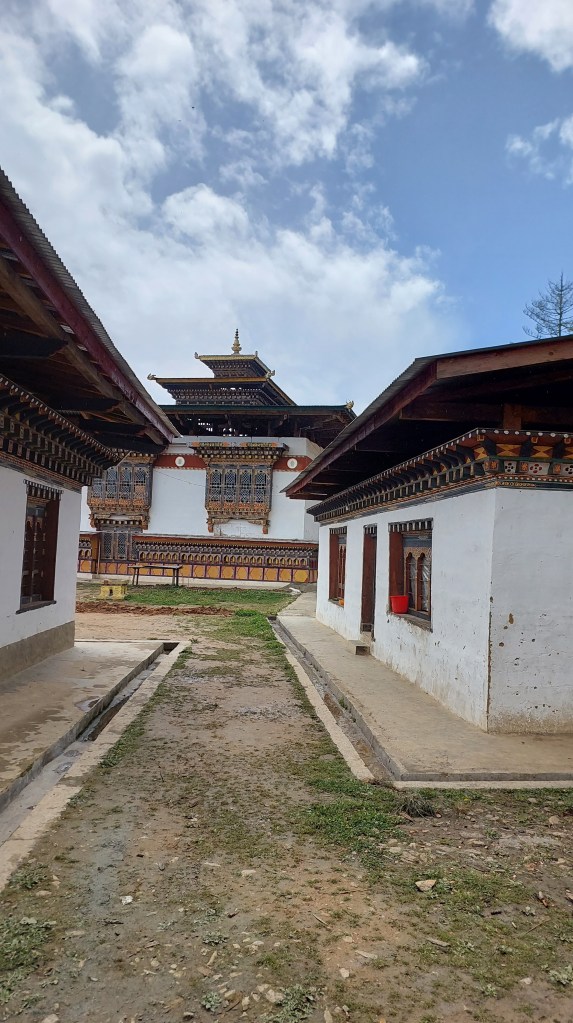
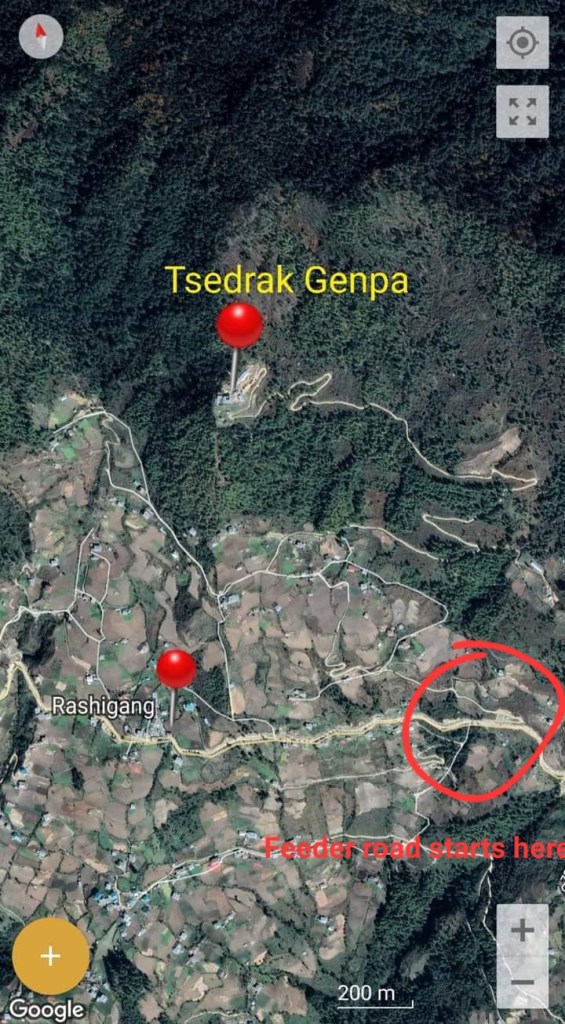
Tshedrak Gonpa stands above Tshegon village in Naja Gewog in lower Paro. To the south one can see the forested mountains of Chukha with Geling Gonpa towards the left peak. Haa Chu flows down at the bottom of the valley. It takes three hours with a small utility car from Thimphu.
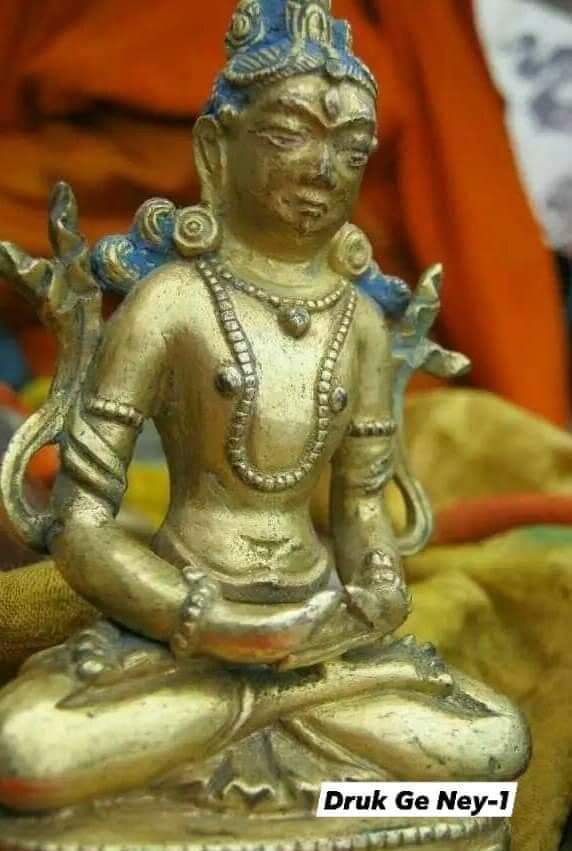
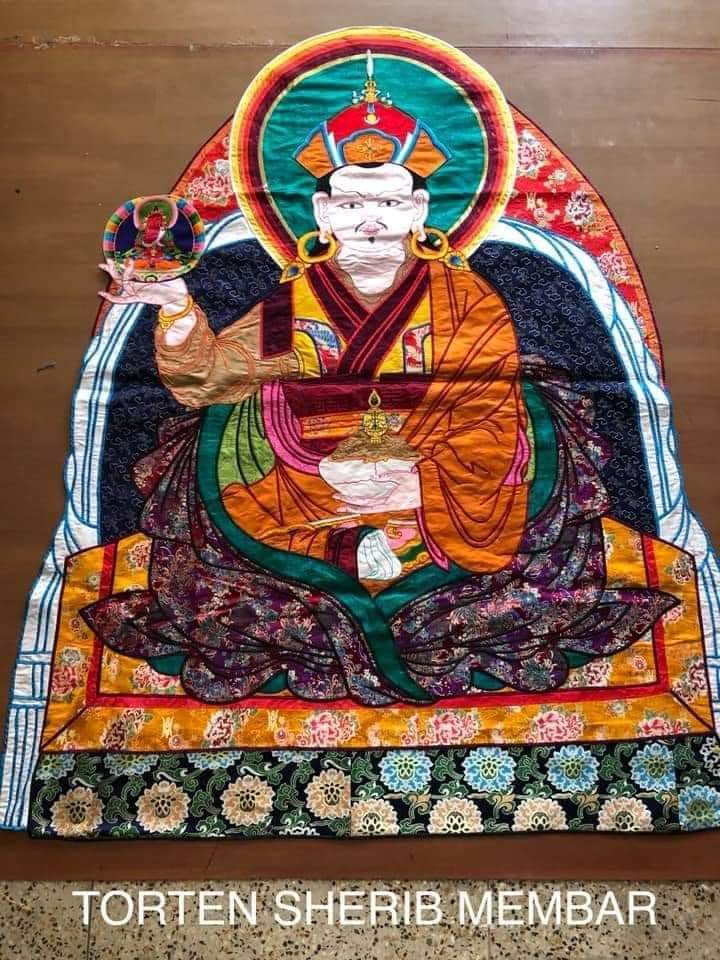
Tshedrak means a “rocky cliff of longevity” and gets its name from a mountain that stands behind the temple. Here, the legend says, Terton Sherub Mebar (1267-1326) discovered a ter-statue of Sangye Tshepamay (Buddha Amitayus) from the cliff of longevity.
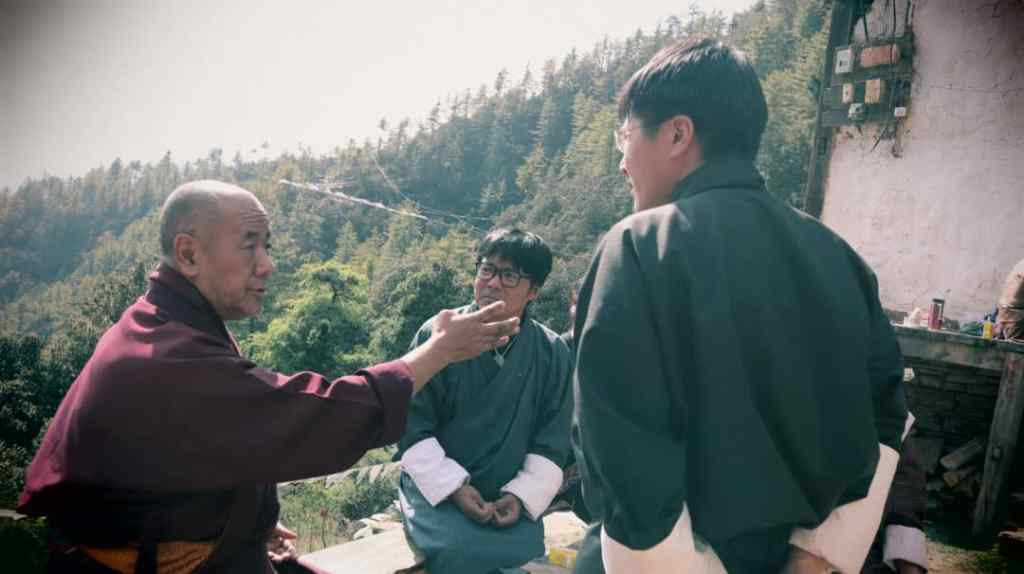
“While Sherub Mebar is more known as being associated to Ugyen Guru temple in Paro, it is here that he made his first discovery and proved his worth as a terton (treasure revealer)”, says Lopen Damcho Wangdi, a monk-teacher of Tshedrak. The revelation happened in the 13th century and, according to Lopen Damcho.
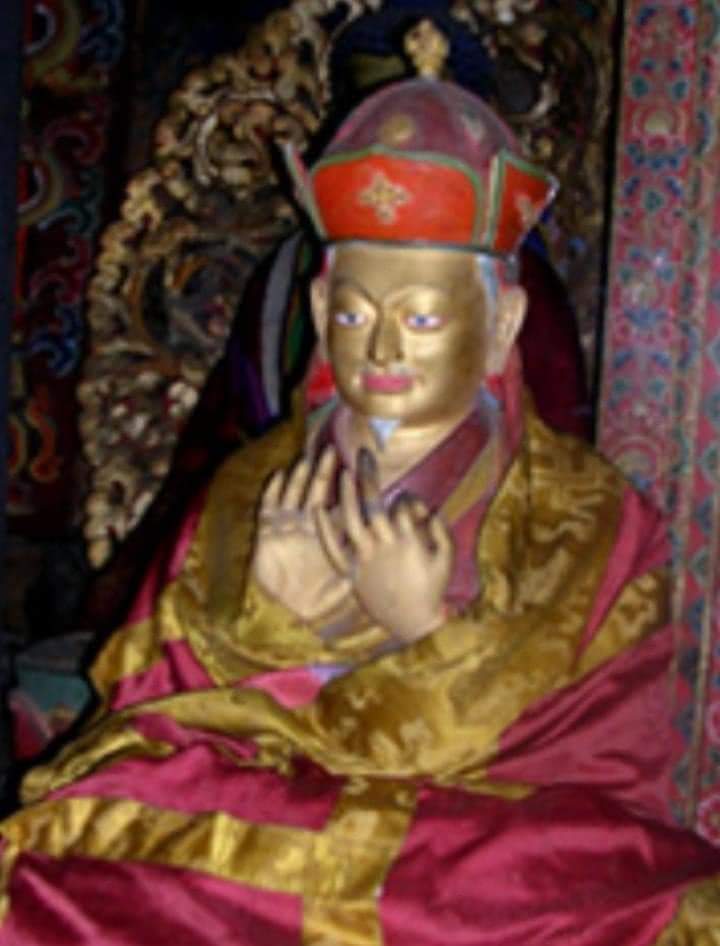
Then in the 18th Century the temple reappears in the hagiography of the Seventh Neyphu Trulku Namdrol Dorji, a contemporary and a good friend of the 25th Je Khenpo Sherub Gyeltshen (1771-1848), popularly known as Gori-Je. While there is no written record, it is possible what many claim and that Namdrol Dorji founded Tshedrak Gonpa. This is also evidenced by the fact that the propitiating rituals to the Peling Kasungs are conducted regularly here.
The Ku-ten Sung-ten of Tshedrak
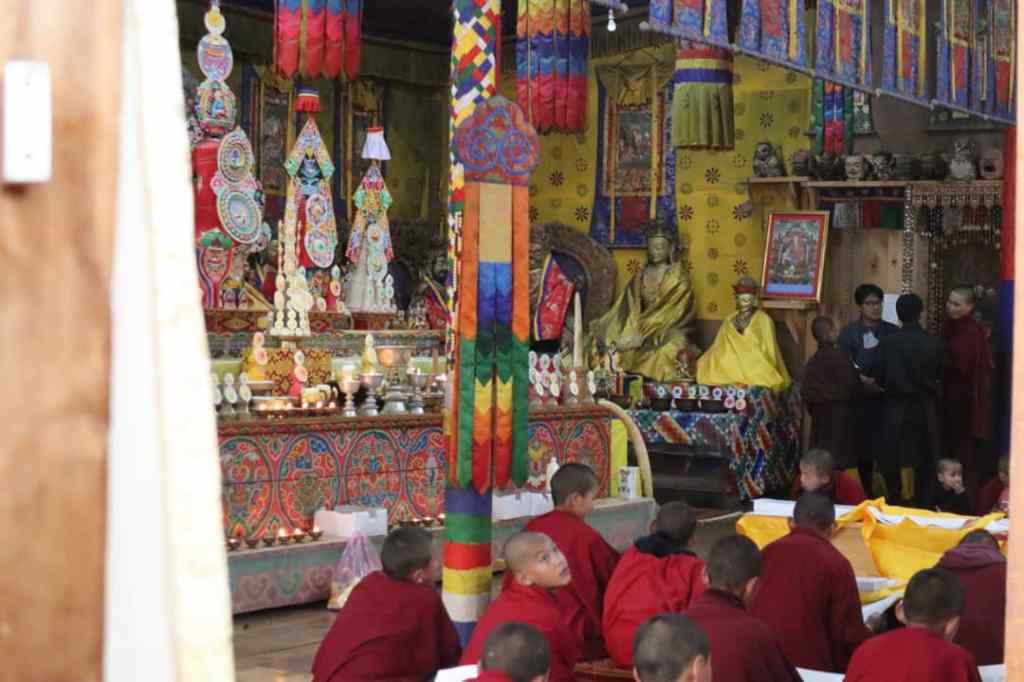
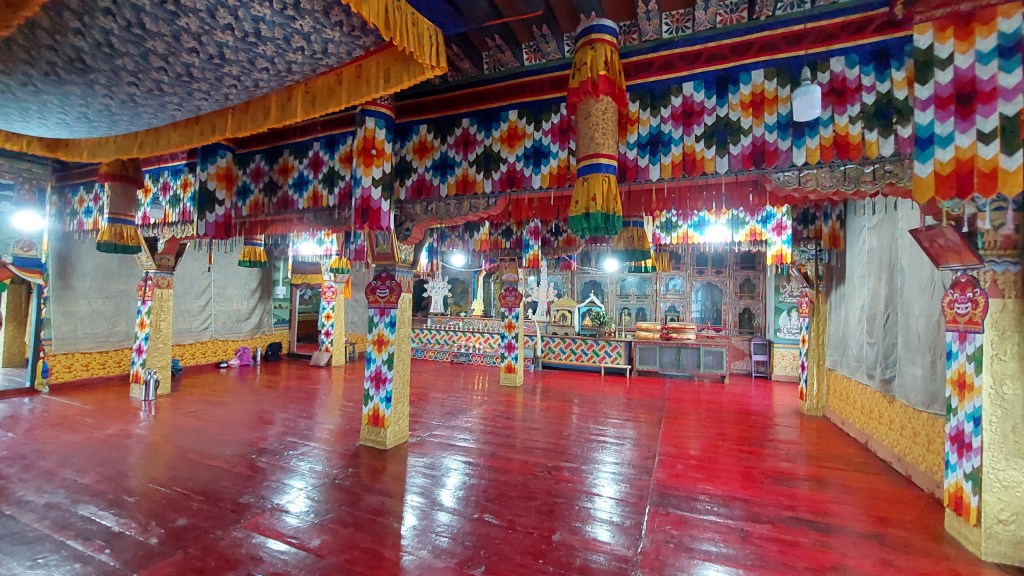
The top floor has the main altar and the goenkang (chapel of the protector deities). The central figure is the Eleven-head Thousand-hands Avalokiteshvara, and represented according to the Peling Tradition. Other deities and bodhisattvas fill the entire altar that covers one wall of the main temple.
Of great interest to many is the goenkang, which houses the statues of the powerful tutelary deities plus Aum Ngagsum, the deity protector Ekjati of the Peling Tradition.
”Aum Ngagsum is a norlha (wealth conferring deity) and she is extremely generous and revered by people who are into business”, says Lopen Damcho. “Many people have become wealthy and prosperous, and got their wishes fulfilled,” he added. In fact on the day I visited a young girl accompanied by her two elder women were paying gratitude to the deity.
“Aum Ngagsum’s support is guaranteed but her generosity is closely guarded by the Tsedrak Tsen (Mountain deity of Tshedrak). If the beneficiaries do not show up to offer their gratitude, or annual homage after becoming rich from here, he retaliates and sometimes very violently,” he adds.
The sung-ten (literally meaning the Speech relic) is a volume of Sung-bum (One Hundred Thousand Verses of Perfection of Wisdom). It is believed that mere reading of this sacred scripture would not only help recover anyone from a serious disease but also guarantee a long life because of the life blessing from this temple.
In fact, thanks to the blessing of Sangye Tshepamay and the protection of Aum Ngagsum, the villages of Tshegon and Jabana are not only strong and healthy, they are also prosperous. Many people in Tshegon have lived past 100 years.
Getting there
It takes three hours with a small utility car from Thimphu to Tshedrak Gonpa. It is located in Haa Valley but under Paro District administration. From Thimphu drive to Chuzom and further down to Damcho towards Phuntsholing. From Watsha turn right towards Haa.
Tsedrak Gonpa is above Tshegon Village just before Rangshikha. You can see it on top of the mountain to the right from Gatro Restaurant. Take the first rough road to the right after the restaurant.
It is believed that Ugyen Guru Temple in Pangbisa received its curative powers from the Sangay Tshepamey ter discovered by Terton Sherub Mebar from Tshedrak. Pangbisa Rilbu (blessed pills) has such a power to cure the illness that in the past one rilbu was exchanged for one ox.
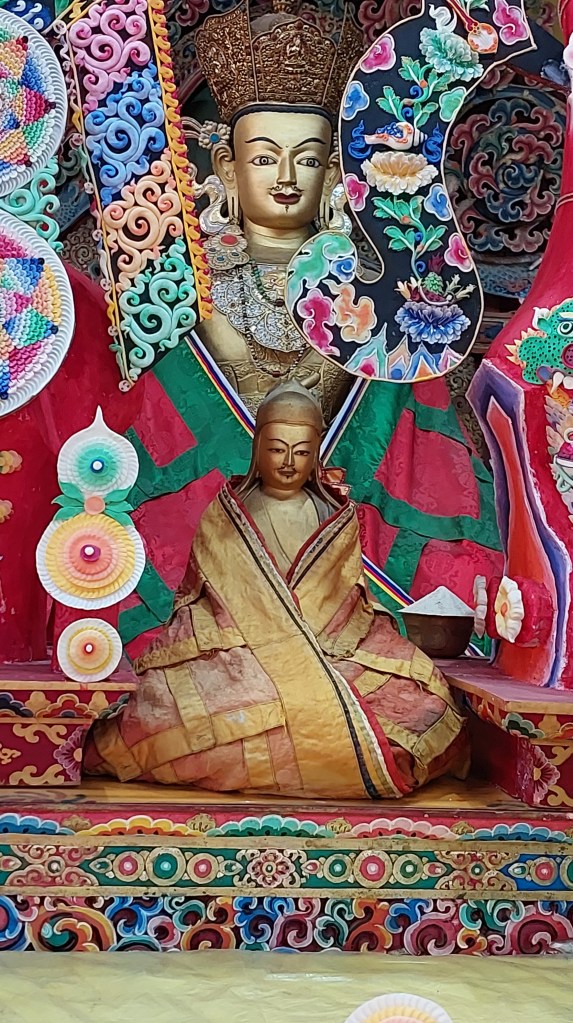
The founder of the temple – 7th Nyephu Trulku Namdrol DorjiTshepamay Ter statue (now housed in Pangbisa, Paro)Terton Sherub Mebar (1367-1326)Pema Sambhava in top right corner of the picture is my contribution to the temple


























 Dorji Wangchuk