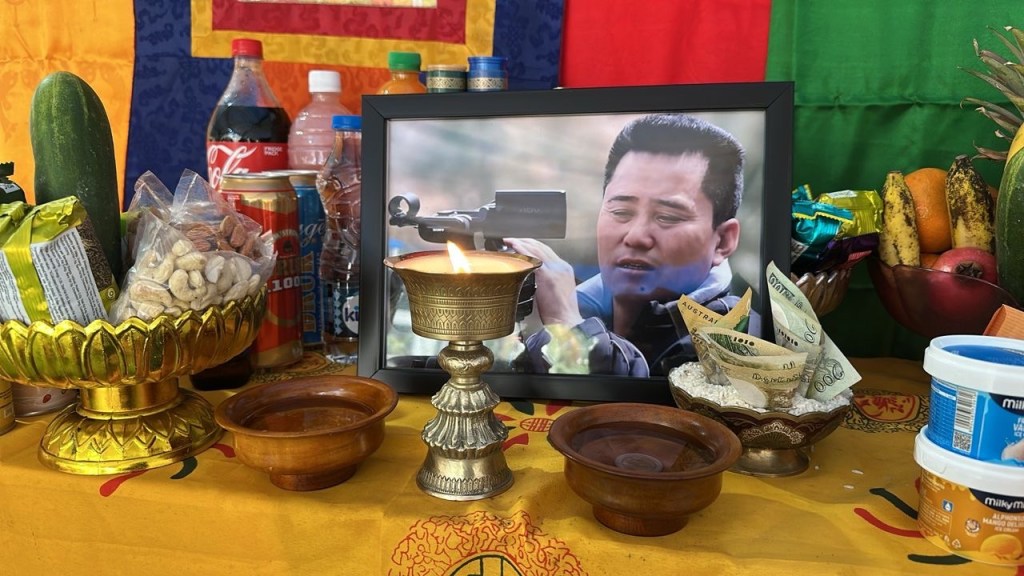
My cousin, childhood friend, schoolmate, business partner, and a family friend passed away after a long battle with a terminal illness. He was just 64. His demise leaves a hole in my heart that will never be filled.
The loss will always be felt by his family and the film industry, for Pema was the liveliest person, the most loving father, and helpful to everyone in the film fraternity. He was self-taught and gave everything to the art, and to others. He kept nothing for himself.
When we were growing up, he took care of me like my elder brother. He used to defend me fiercely, taught me many things. All my siblings loved him as our elder brother. Our families were thick and close. My mom and his mom were cousins from the Shongphu Chukmo clan.
He was a brilliant student but dropped out of school because classrooms bored him. He lived his life on his own terms – carefree and joyful, till my father found him a wife and married him off one evening and told him to settle down. He did listen, and raised a large family of four children and many grandchildren. His children love him. His grandchildren adore him.
He was a trained agronomist, a carpenter and welder, and self-trained film director (Bhu Tashi), line producer (Chepai Bhu, Nazhoen Chharo, and others), singer (Tshomo Tshomo), film editor, graphic artist, musician (he played saxophone and keyboard), three times award winning sound designer and cameraman. And many more.
In our adult life he cheered me at every success I achieved. He was happier and prouder, and had greater confidence and belief than I had for myself. We ran a successful production studio and the radio for a couple of years, where he trusted me and my judgments, and my decisions with his life. Never once did he challenge me.
But there is one thing that the world can learn from Pema – optimism and strength in the face of adversity. And to never lose one’s sense of humor no matter how bad life goes. In 2018, when he was diagnosed with a terminal disease and the doctors gave him a few months, he told my daughter that he would beat the odds and live much longer. He did and went on to live almost eight years.
When he was getting the chemo and was recovering in a hospital in India, he kept sending me dirty jokes every day. He said that I was more stressed than him because I was in the middle of completing my PhD.
He showed immense courage and strength that I had never known before. Even the doctors were inspired. This is something that will stay with me, this is something he has taught me as his final lesson as I will miss his presence, our long conversations, and his encouragements from the stands.
Fare Thee Well, my brother. The earth beneath me already feels weak without you. Although we have been preparing for this day, it still took one full day for me to compose myself and gather strength for this short piece.
And to the world, we are poorer by one good selfless person.
My cousin, childhood friend, schoolmate, business partner, and biggest fan passed away after a long battle with a terminal illness. He was just 64. His demise leaves a hole in my heart that will never be filled.
The loss will always be felt by his family and the film industry, for Pema was the liveliest person, the most loving father, and one of the most helpful persons that walked on this earth. He lived his life on his own terms. He gave everything and kept nothing for himself.
He took care of me like my elder brother in school, defended me fiercely, and cheered me at every success I achieved. He was happier for me than I was for myself and had greater confidence and belief in me than anyone in the world.
But there is one thing that the world can learn from Pema—optimism in the face of adversity and to never lose one’s sense of humor. In 2018, when he was diagnosed with a terminal disease and the doctors gave him a few months, he told my daughter that he would beat the disease and live much longer. He did and went on to live almost eight years. As he was about to get chemo and was recovering in a hospital in India, he kept sending me dirty jokes every day.
He showed courage and strength that I had never known before. This is something that will stay with me, as I will miss his presence, our long conversations and ideas, and his encouragements.
Fare Thee Well, my brother. The earth beneath me already feels weak without you.
Of all the things I did and achieved this year, between bringing some big investors to the country, sponsoring three large statues in a temple in Zhemgang, and completing the Eight Manifestations of Guru temple in Rukha, the one thing that makes me feel real good is sending my father and my illiterate sister on the pilgrimage of their dream.
I gifted a trip to China’s Four Holy Mountains. My father talked about these – especially Riwo Tsegna (Wutai Shan), having heard from other great lamas.
It was done as a gratitude for their sacrifices. My father risked his life to feed us. He drove trucks and buses on the narrow freshly cut roads of Bhutan in the 1970s. My elder sister stayed back to care for our visually-impaired grandmother and let us younger siblings go to school back in those days.
Yes, I do a lot for others, but as they say, charity begins at home. My younger sister and brother footed half the bill. We are thick like the corleone family.
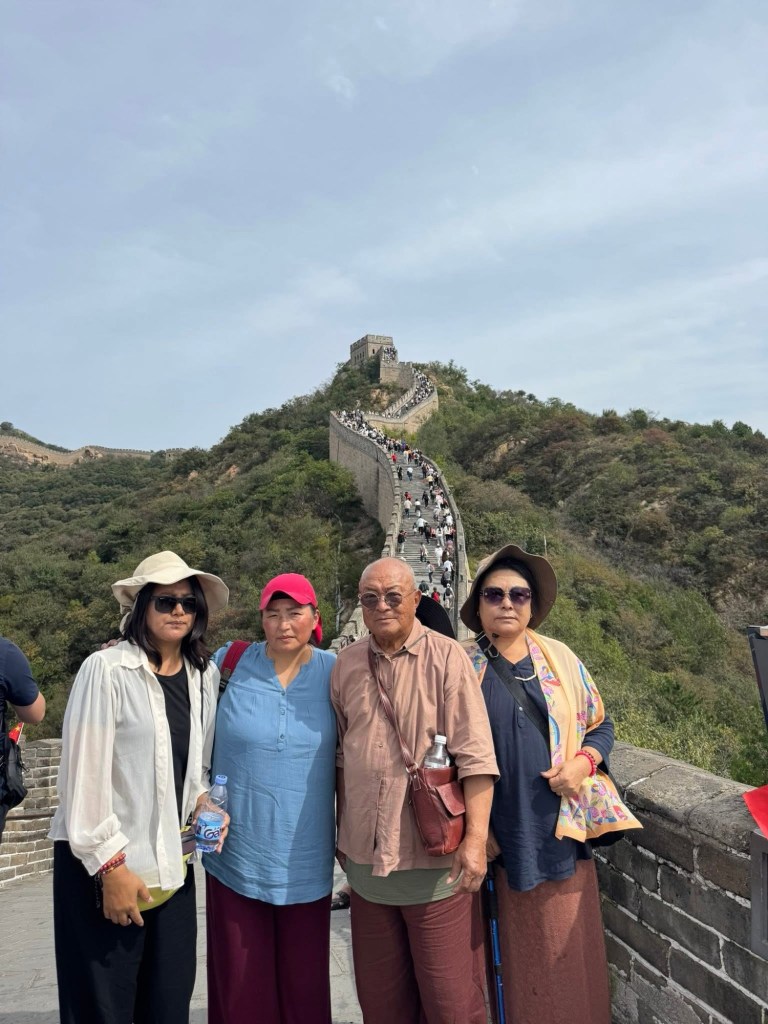
Although the pilgrimage ended many months back, my father is reportedly still boasting to every relative he meets and showing pictures of high-speed trains and super highways in China.
In Bhutan this is a debate that will last forever – because it quickly delves into religious sentiments, and that’s too deep, and too personal to arrive at a solution that suits all.
To eat or not to eat meat, in my view, is a personal question and not an ethical, or moral issue. Likewise, the government, as a political entity, should be allowed to do its job – as in how best Bhutanese can access meat. Everything beyond it, at best, is hypocritical.
I turned vegetarian over twelves years back. It was purely a personal decision – with no religion or health issues involved. Of course, there were encouragements from different quarters including a rimpoche-friend who advocates against eating meat. But let me share one good reason, perhaps, that made me take the final step.
While attending a Buddhist conference in Kathmandu, a panellist asked the audience, “Do you know what you are eating? Do you know where your food come from?” And the most insidious of the questions: Do you know what the animal there are fed?
Now her question reminded me of some horrendous things I saw in slaughterhouses across the border – decades back. And really, back then it didn’t strike me anything. Maybe I was too naïve or too insensitive. But in recent years, besides becoming more spiritual, I have also heard more horrible stories of animal feeds being used in these farms.
Then, at a more personal level, there was also the fact that I was homing in to 50 and I felt that my body didn’t require meat anymore. I guess I have enough storage of essential vitamins like B12 that come from red meat. It does not leave our body like potassium or magnesium. We don’t run the risk of B12 deficiency easily. So I thought if I don’t need it why have some animals slaughtered, which brings me to the question of what Buddhism says about it.
What buddhist scriptures say.
From the few readings that I made, the confusion seems to have started off with the monks in Gautama Buddha’s sangha itself. They depended on the generosity of lay supporters as they went on their morning rounds for food alms. Obviously, they couldn’t dictate what people offered. In a predominantly Hindu India, people only refrained from eating beef but not other types of meat or fish. So the monks would face a simple choice – eat meat or starve.
This dilemma became worse in the Tibetan highlands where no grass grew, and where green vegetable is in short supply.
Furthermore, Mahayana and Vajarayana Buddhism are less dogmatic than Theravada and leave this critical decision to personal choices that you can make based on your tawa (right view). So if the intention is to survive, it is OK. But if the kill is for greed, anger or jealousy, it is not ok anymore. Going back to Buddha, what do the scriptures say?
A line from Dhammapada V130 reads,
“All tremble at the rod. All hold their life dear. Drawing the parallel to yourself, Neither kill nor get others to kill.”
So, what should we do (as Buddhist, if I may say)? Be practical. Well, just as people adopted to eating meat for practical reasons to stay alive, if one could do that by staying away from meat, then just do it. And do some readings, talk to doctors, get your vitamin level tested.
If you are not a toddler and if you are getting your protein and B12 from other sources, you are in pretty good shape, and chances are that you don’t require meat at all. And take small steps. I stopped eating pork and then after a month I stopped beef and few months later, chicken. Don’t be over ambitious.
By the way, I am the only one in my family who stopped eating meat. I still eat fish and eggs. As said, I have not been coerced by anyone to stop meat nor would I force anyone to do that either. The choice should be personal and should come from within – from what it feels good. Only then it sustains.
My earlier post on kindness and hate drew a lots of responses. To all of you who have sent encouraging words, I thank you for taking your time to share your thoughts.
And to all who have enquired how we are doing now, thank you too. We are doing fine. The journey of healing was long, the mental trauma was even longer but we have all come home now – to our minds and to our senses.
Looking back.
They say everything happens for a reason. Maybe that’s true, but you must make extra open-minded efforts to find that reason. What is the universe trying to tell you? Then everything – both good and bad will make more sense.
In many ways, I guess, the tragedy was the final message from the divine to take a different path – that of spirituality – of greater service to humanity and back to the Buddha Dharma (my birth prophecy required me to pursue a religious path). I must say this helped me immensely to find some solace and sanity. It was only when I delved into such greater and deeper meanings that things began to make sense. And healing began.
In pursuit of the Dharma, I also found my lama in Khandro Dorje Phagmo Rimpoche for whom I helped complete a large stupa of her destiny, and the dharma center in Zhemgang, while she protected me and put me firmly on the path of compassion and loving kindness.
I have built three stupas and three temples, so far, in remote Athang Gewog – something that makes me very content and confident, more than I ever was in my life.
To all those who maybe going through some struggles – fighting a demon of some sort, hold on! Keep fighting. Keep exploring. And don’t lose the essence of what makes us human. You will get to the end of the tunnel and see the light.
Reinventing myself.
For me, I also discovered another career – teaching and research, and a place in the rarified world of academia and intellectuals. A short stint as a substitute teacher to Sherubtse College opened a door, which I would have never discovered had I continued in the limelight of fame and power.
Retreating to Kanglung made me reflect on my own life without the distractions of memories of people and places in Thimphu, where I had built my family, career, friendships. I could look closely at who and what really matters in my life and who goes in the thrash.
It also gave me the courage to embrace whole-heartedly what we love and are passionate about. For instance, since academia was going to be my life ahead, I gathered the courage to go back to school at 48 and complete a PhD six years later. And because I had no job waiting for me in Bhutan, I was super relaxed and that helped me learn so much – even beyond my field – such as sociology, anthropology, Buddhist studies, etc. I was paid well and was also given the opportunity to teach students from different nationalities, which provided me deeper knowledge on others.
Today I have minimised my needs and wants in life, I refrain from going to social gatherings, and instead spend a great deal in reading, writing, learning, and teaching, besides spirituality. During the pandemic I also realised that there is much goodness and hunger among westerners for a life of selfless service and greater purpose. I also take every opportunity to mentor our youth, and share with our people, what I know, whenever opportunities arise.
So, life goes on
😇😇😇
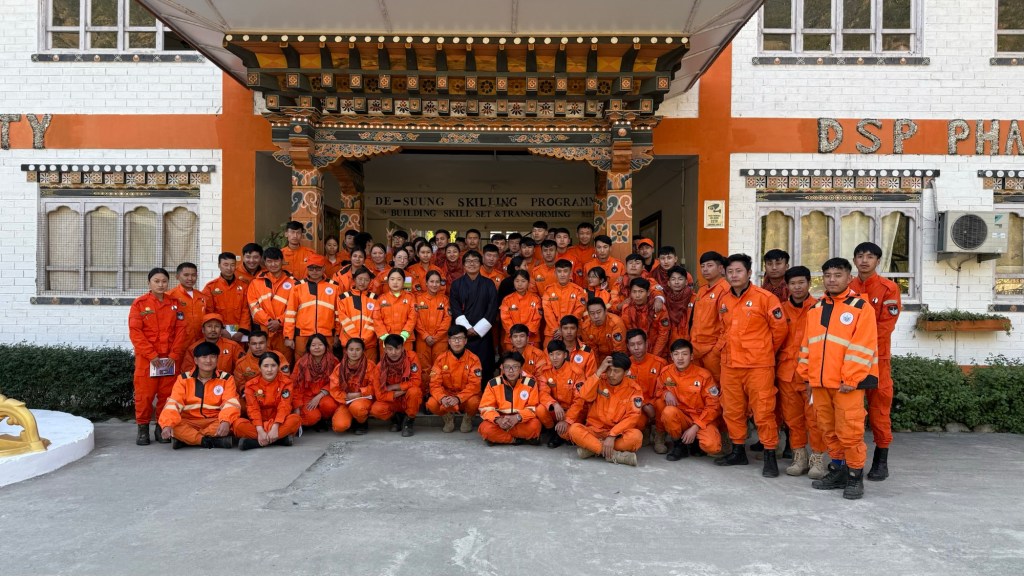
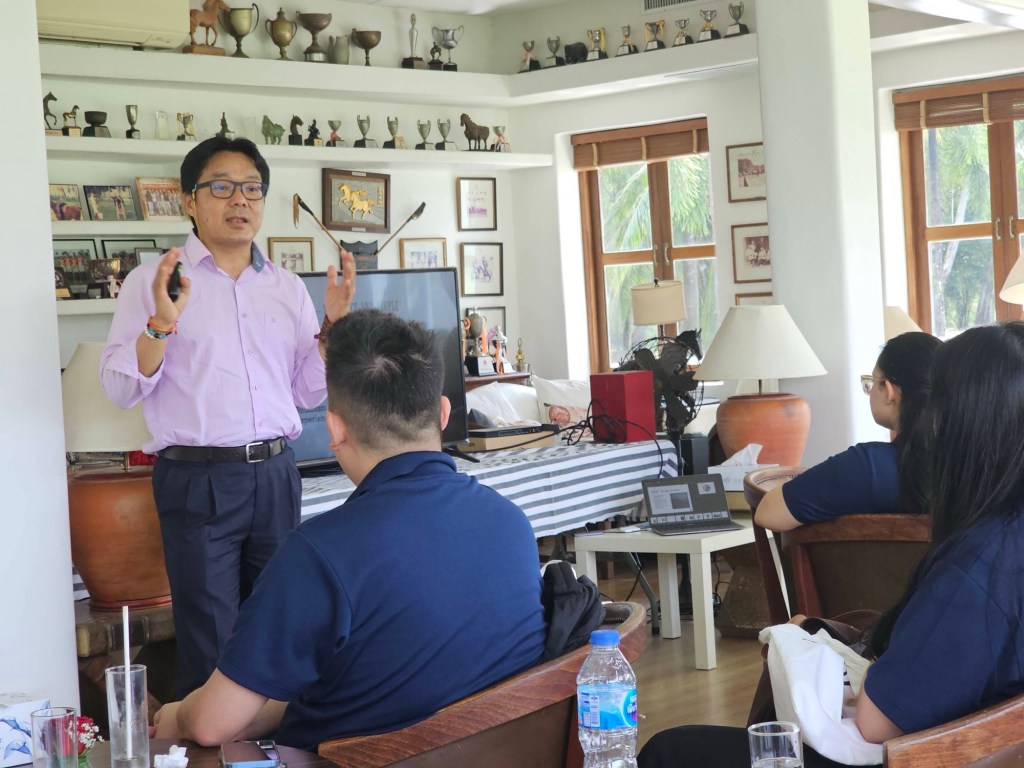
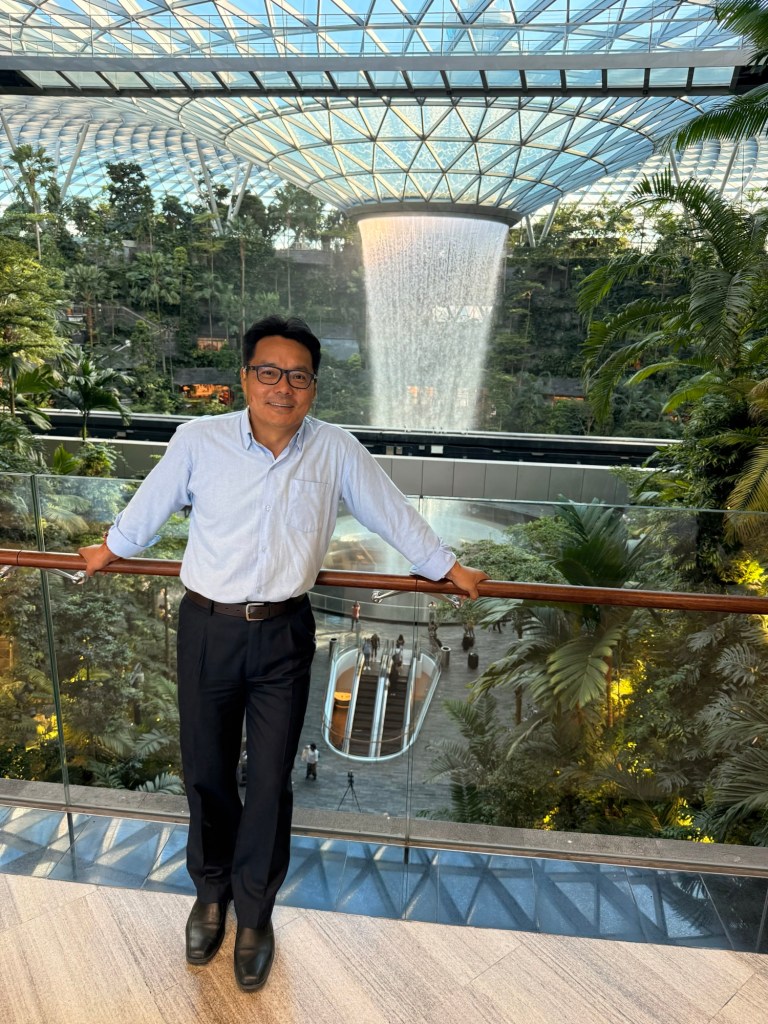
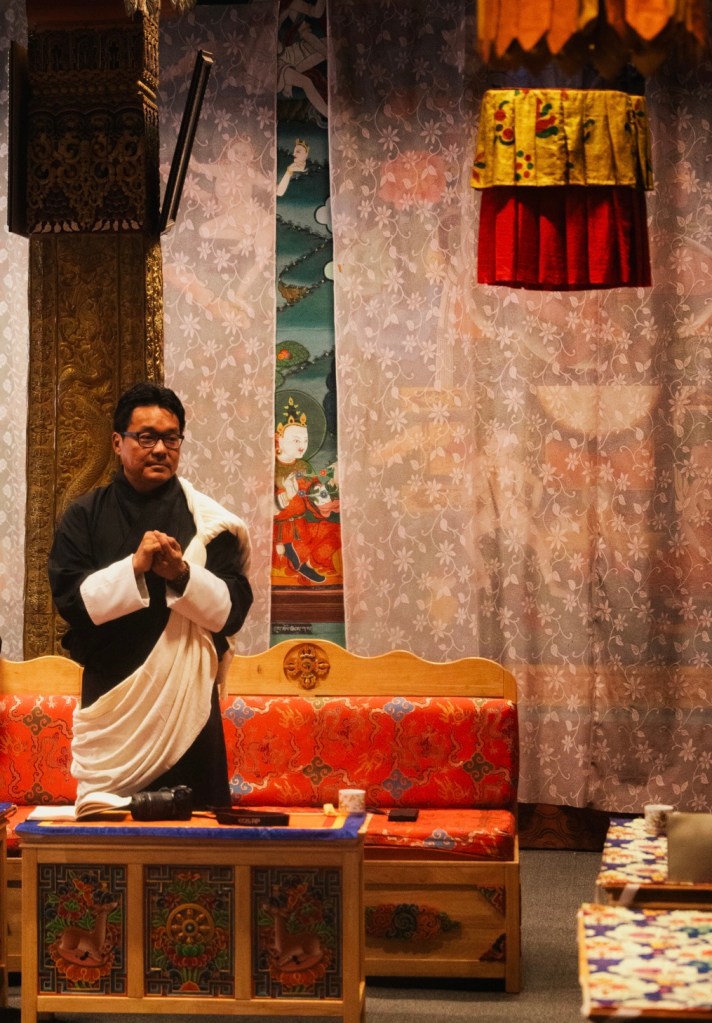
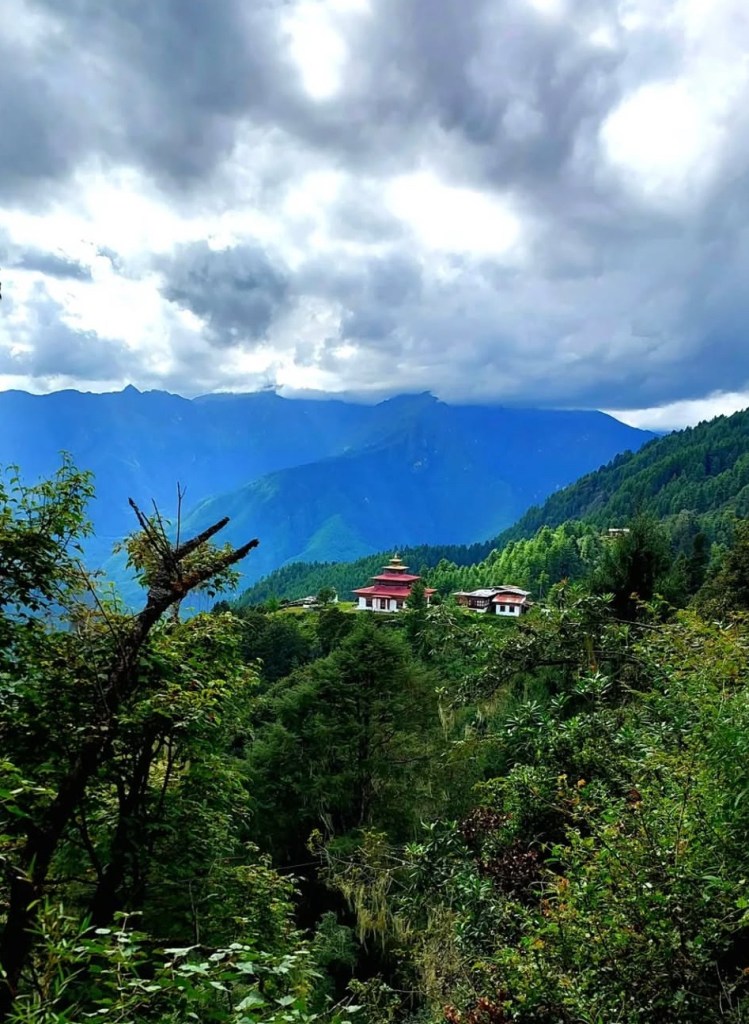
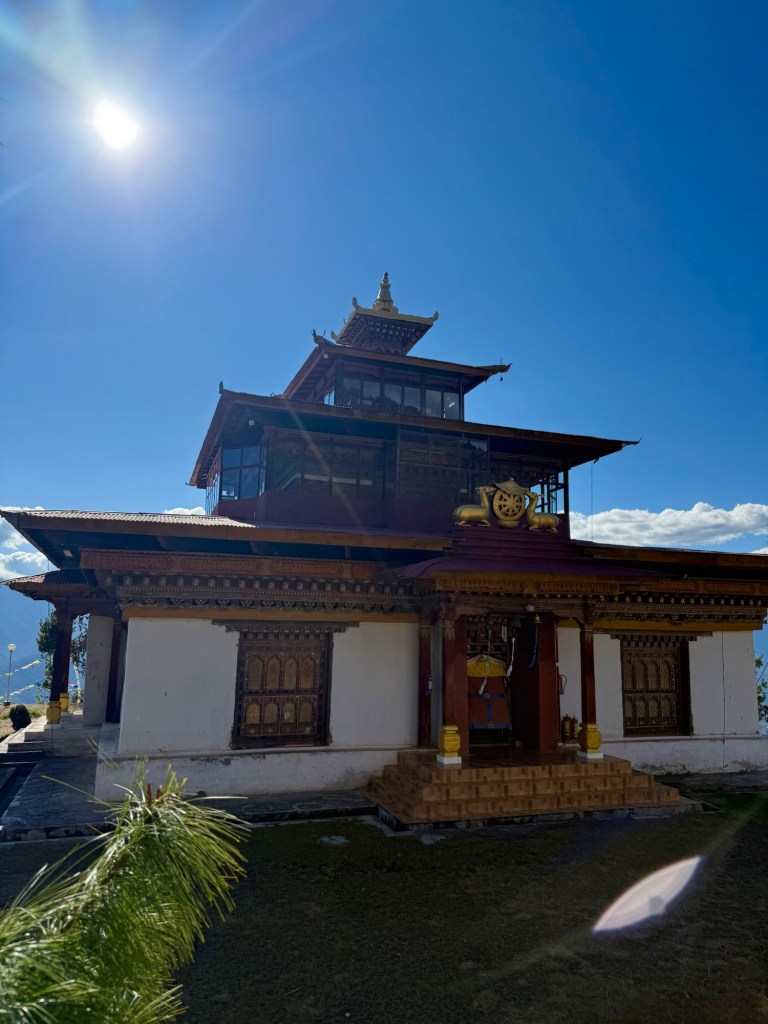
(Photo from my last teaching assignment at the Desuung Academy in Punakha, plus some photos from my recent travels)
22 Nov 2025 – Thirteen years ago today, in 2012, I nearly lost my life trying to get to Thimphu from the South – in the middle of the night – to reach my wife who was in the ICU. She was assaulted in front of our house by two boys who were drunk.
Although my wife eventually recovered, the trauma on my family and me took a long time to recover. It turned our life upside down. My daughter still has the PTSD from it.
Still, looking back, I am proud of myself that not only I forgave the assailants, I also declined to press any financial damages, which would have been huge.
Furthermore, I requested the OAG prosecutors not to push too hard on the two young defendants in terms of the prison time. And to request for lowest sentence for them.
In my submission to the court, I ended with something to this effect:
“The fact remains that my family and I will never be the same again. The incident has altered my life forever – if it has not been destroyed. However, ruining the lives of two more families will not undo the tragedy that has befallen on mine.
While for now, I am still drowned in anger and angst, something deep inside me tells me that I would regret in the long run if I were vindictive.
My only wish, therefore, is for my family to find peace and happiness again and for the young boys to deeply repent and rebuild their lives. I would like to believe that this was an involuntary and unfortunate accident.
In the short time that we have on earth, l have been taught to be kind to others no matter where I find myself.”
Life goes on.
13 years have passed. And since that fateful night, my whole perspective of life has changed. I celebrate every day that I am alive, because one never knows when the romance with it will end. I try to do one good thing – make a difference in one life daily. I cherish every place I am at, every moment, and make as many memories – and not accumulate material stuff. And I do not take anything, and anyone for granted.
So, be kind to each other. Life is too short to be otherwise.
(I commemorated this day that gave me a new lease of life – I could have gone that day – by remembering few of my students-beneficiaries and sending them some gifts. May their joy add to the happiness for all sentient beings)
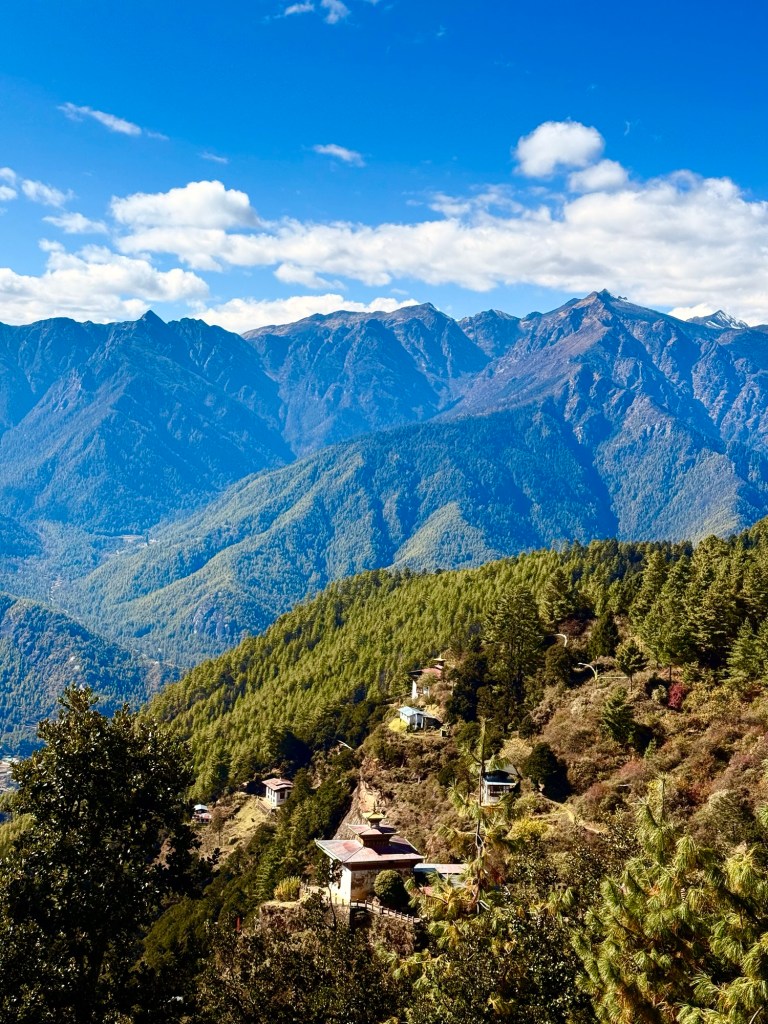
On the peak of the iconic Tigers Nest – Taktshang in Paro stands the less-frequented temple of Ugyen Tsemo (ཨྱོན་རྩེ་མོ).
Ugyen Tsemo is probably one of the earliest temples established at Taktshang. It is attributed to Nyingma Lama, Uwo Yeshey Bumpa, from Kathog monastery in Kham Derge. He built a shrine there as early as 1408*.
Almost a century later his descendant Kathog Lama Sonam Gyeltsen (1466-1540) built the first temple at Pelphu and at Shama. He stayed in Ugyen Tsemo, having been invited and hosted by Nyamey Chum in Paro. The temples at Taktshang remained under the care of the descendants of Lama Sonam Gyaltsen.
During the series of Tibetan invasions, and especially the one in 1644, one of Zhabdrung’s teacher for Nyingma tradition, Kathog Rigzin Nyingpo, invoked all the Nyingma protector deities in support of Zhabdrung to repel the invaders.
As a gratitude, Zhabdrung Ngawang Namgyel visited Ugyen Tsemo in 1645. During this visit the shrine at Pelphug was offered to him. Zhabdrung promised to build a large statue of Guru Padmasambhava, but he passed away a few years later. His promise was fulfilled by his heart son Tenzin Rabgye who build the legendary Pelphu (Taktshang) monastery in 1692.
Ugyen Tsemo, thus, played an important role in the history of Bhutan. However, what you see today at Ugyen Tsemo is not the original temple, because a massive fire burnt it down. There is no record of what was left and what was rebuilt. The oral sources only say that a major repair was done in 1958 by Queen Phuntsho Choden (See the black-and-white picture).
The temple.
The temple is in the shape of Zangtopelri with Buddha Amitabha on the top floor, Avalokiteshvara in the middle floor and Guru Padmasambhava on the ground floor, following the Choekor-Lungkor-Truelku tradition.
The thousand-arm Avalokiteshvara on the second floor is believed to be the art work of Jadrel Sangye Dorje Rimpoche. Also on the same floor, towards the left, there is perhaps one of the most beautiful mural paintings of Twenty-Taras in the Jigme Lingpa tradition (most prefer the Suryagupta version).
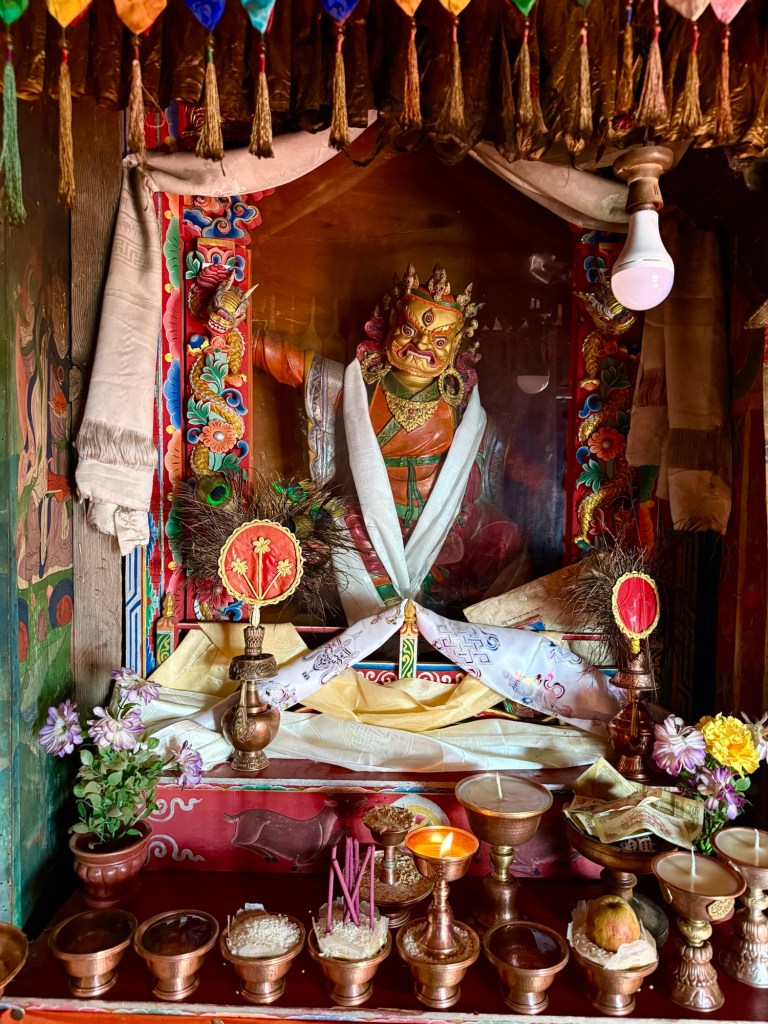
On the ground floor there are also statues of Nyingma protector Damchen Dorji Legpa as well as the statue of the local guardian, Taktshang Sengye Samdrup. The main statue is of Guru Padmasambhava with his eight manifestations circling him. The main statue of Guru is believed to be the last work of Jinzob Damchu from Neyphu (one of his students was late Lopen Omtong from Trashigang).
Getting there.
From Taktshang view point it takes about 45 minutes to reach Ugyen Tsemo. Don’t miss the holy water revealed by Kathog Rigzin Nyinpo. It is few minutes walk towards Yoselgang.
✌️✌️✌️
This aspect, and even the expansion done by his descendant Sonam Gyaltshen is hardly mentioned by tour guides when explaining to visitors. It wipes out close to 200 years of history by jumping straight to 1692.
As you look up from the base of Taktshang you see two temples. The small temple on the right is called Taktshang Shama, which is built around Drolo Phu – dedicated to Guru Dorje Drolo. Shama
Taktshang- the iconic tiger’s nest is today equated to just one cave – Pelphu – around which 9 temples have been built. And yet, Taktshang is actually composed of nine principal caves and more minor places. Locals believe one must visit all to get the full blessings of Taktshang. Most of these caves are where successive masters like Milarepa, Phadampa Sangye, Thangtong Gyalpo, Machig Labdron, Phajo Drugom visited.
On the side that is popular, and where almost every visitors go, there are three caves: Pelphu (where Langchen Pelgyi Sengye meditated), Sengyephu (associated to Yeshey Tshogyel) and Machiphu (associated to Machig Labdron).
The other six caves on the right side are Drolophu, Phagmophu (where Guru met his adopted mother Dorje Phagmo), Chogyelphu, Kapaliphu, Thratshogpgu, and Yoserphu. To do the six remaining caves, you must veer off from trail at the Chukor Mani and take the right ridge.
You can also visit the Pelphu complex and then proceed up to Machiphu and then to Ugyen Tsemo and climb down. From this route, Thratshophu will be the first cave you will meet.
Taktshang Shama.
The place is believed to have been built by Kathog lama Sonam Gyaltshen sometime in 1508. This also explains the painting of the ChoLongTruel Sum of the pre-Zhabdrung era that is on the upper floor.
The lower floor has the more sacred Guru Dorje Drolo – in that it is believed that the statue is said to have spoken.
In 1998, when the Taktshang complex at Pelphu caught fire, the caretaker started packing the belongings and the statue to leave the place for a safer ground. Dorje Drolo told the caretaker not to move anything.
Whether or not the story is true, Taktshang Shama feels very different and provokes a deeper experience. Maybe it is because you avoid the crowd and can do some real prayers.
Cautionary note: If you suffer from vertigo or cannot stand heights, PLEASE DON’T do this side. It is not safe.
Moelam Chhenmo is one of the most popular prayer festivals in Vajrayana Buddhism. Every district in Bhutan has one conducted every year and every tradition of Tibetan Buddhism holds one big one in Bodhgaya every year. The recently-concluded Global Peace Prayer probably holds a historic first in bringing all schools of Buddhism together in this prayer, and to pray for a common goal: world peace.
And yet, the Bodhisattva that is invoked, Samantabadra (Dz: Kuntu Zangpo) – not to to be confused with Adi-Buddha Samantabadra (aka Kuntu Zangpo), is among the least known Bodhisattvas in Bhutanese Buddhism.
Bodhisattva Samantabadra.
Bodhisattva Samantabadra (ཀུན་ཏུ་བཟང་པོ་ Dz: Jangsem Kuntu Zangpo), whose name is often translated as “All Good” is one of the eight Bodhisattvas (བྱང་ཆུབ་སེམས་མ་བརྒྱད་, Jangchub sempa gyé) is an important figure in Mahayana Buddhism. The eight Bodhisattvas are Manjushri (Jampel Yang), Avalokiteshvara (Chenrizig), Vajrapani (Chana Dorje), Maitreya (Jampa), Samantabadra (Kuntu Zangpo), Akashagarbha (Namkhai Nyingpo), Ksitigharbha (Sayi Nyingpo), Sarvanivaranavishkambhin (Driba Namsel).
They are also known as Eight Great Sons (ཉེ་བའི་སྲས་བརྒྱད།) of Buddha Shakyamuni who have been assigned to be enlightened after him and spread Dharma. The next in line is Bodhisattva Maitreya. Samantabadra is also considered as the eldest of the eight Bodhisattvas. He also vowed to postpone his Buddhahood until the last sentient being is liberated from Samsara.
Zangcho Moelam.
The prayer that is recited at the Moelam Chhenmo is the Phakpa Zangpo Chöpé Mönlam gyi Gyalpo (འཕགས་པ་བཟང་པོ་སྤྱོད་པའི་སྨོན་ལམ་གྱི་རྒྱལ་པོ: ), which of often translated as The King of Aspiration Prayers: Samantabhadra’s “Aspiration to Good Actions”, or simply Zangchoe Moelam
In essence, the Zangchoe Moelam is a summary of Samantabhadra’s advice to his student Sudhana. It comprises 63 succinct verses and expresses the entirety of the Buddhist path and the actions of a bodhisattva.
Samantabhadra challenges that wisdom is only beneficial if it is put into selfless practice for the benefit of all living beings. True enlightenment is not just about attaining wisdom, but about extending that wisdom through boundless compassionate actions.
The story of Sudhana and Samantabhadra serves as a powerful metaphor, where practice (Samantabhadra) must accompany wisdom (Manjushri) as essential components of the path to Buddhahood.
Recitation of this prayer generates tremendous merit, and inspires us to dedicate our lives to the benefit of all sentient beings.
Zangchoe moelam is often recited together to accumulate collective moelam (aspirations) such as global peace, harmony, and restoring health and happiness.
Chan (Zen) Buddhism.
Samantabadra is a very important bodhisattva in Chan (Chinese) Buddhism that one of the four holiest mountains in China, Emmei Mountain, is revered as his abode. He is often depicted riding a white elephant with six tusks.
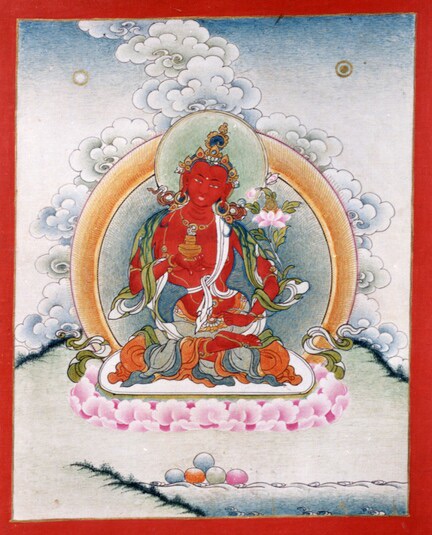
In Vajrayana Buddhism, however, he never gained as much popularity as the other Bodhisattvas, and was not elevated as meditational deity. In some traditions, Samantabhadra is described as red in colour holding a vase in the right hand, and the symbol of the Sun atop a flower blossom held in the left hand. He mostly appears as part of the Eight Great Sons of Buddha.
One of the temples that depicts the eight bodhisattvas is Semtokha Dzong – all standing around main Buddha Shakyamuni.
🙏🏻🙏🏻🙏🏻
My favourite line is:
“May I ease the suffering in the lower realms and in the many directions and dimensions of the universe.
May I guide all wanderers in samsara to the pure bliss of awakening, and be of worldly benefit to them as well.”
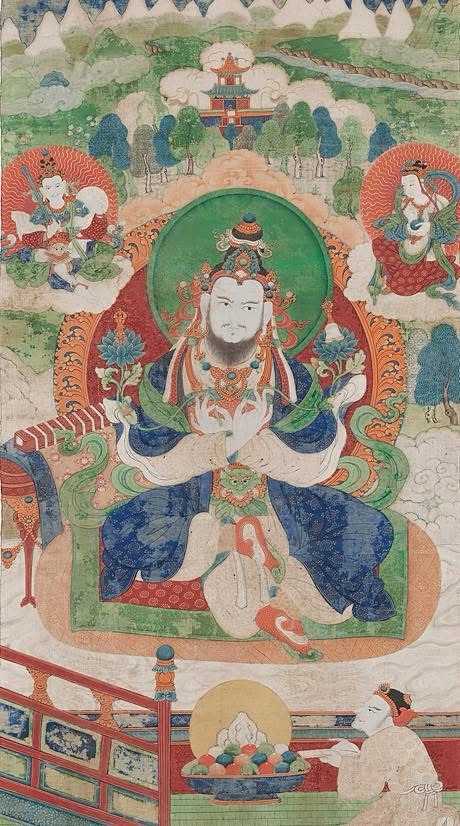
According to traditional faith history, a year after his enlightenment, Buddha Shakyamuni received a strange visit from King Suchandra (Dawa Zangpo in Dzongkha) from the mythical kingdom of Shambala (Some Buddhist scholars place this kingdom in modern-day Xinjiang region in China).
The King wanted a teaching from Buddha that guaranteed enlightenment in one lifetime, while also, without him having to renounce his throne. He argued that even as a King he could do many good things for sentient beings.
Buddha Shakyamuni is said to have yielded to the request, partly because he saw the pure intent of the King as well as seeing him as the emanation of Vajrapani. Buddha then conferred the Kalachakra (དུས་ཀྱི་འཁོར་ལོ།, Dueki Khorlo) teachings to King Suchanda.
The King wrote it down and spread it in his Kingdom. His successors maintained the tradition, and furthermore, the eighth Shambala king, Manjushrikirti (Jampel Dakpa) composed a shorter tantra of five chapters and initiate to some thirty million of his subjects and sentient beings. He was thereafter referred to as Kulika (Rigden in Dzongkha) – the One Who Held The Lineage. Legend has it that there will be 32 Shambala kings with each king appearing to save a degenerate world. The current king is Anirudha who ascended the throne in 1927 and would be king toll 2027. The last king Rudra Chakrin is believed to appear in the year 2424 to face a degenerate world and help fight it and cure it.
Shambala King Suchanda
Kalachakra. What is it?
Literally meaning “Wheel of Time”, Kalachakra deepens the concept of interconnectedness between the Outer cycles of the universe (such as the cosmic time, planetary movements and seasons), and the Inner-individual cycles of human body (such as life, breath, heart beats, chakras, etc). It then proposes the Alternative cycle to move beyond the Inner and the Outer cycles to achieve a purified state of consciousness and end ones existence in samsara.
It posits that the external universe and our internal cycles are similar, if not identical. The same laws that govern the universe also govern at the subatomic level like our own body and our experiences of life. Being trapped in the cycle of Samsara is to remain within the two cycles without moving beyond or achieve the liberation from all suffering.
Why “Wheel of Time”?
At the core of the philosophical tenet of Kalachakra is how we view time. In Buddhism, time is understood as cyclical and not linear (which is western-scientific understanding). It is a continuum. For example, one year is the time that the Earth moves around the Sun, and a day is when the earth makes one complete rotation – and then the cycle repeats.
As is in the greater universe where the same pattern repeats in the cosmic-astronomical-astrological cycles, at an individual-internal level, our body also goes through physiological cycles, many of which bode mental and emotional cycles as well.
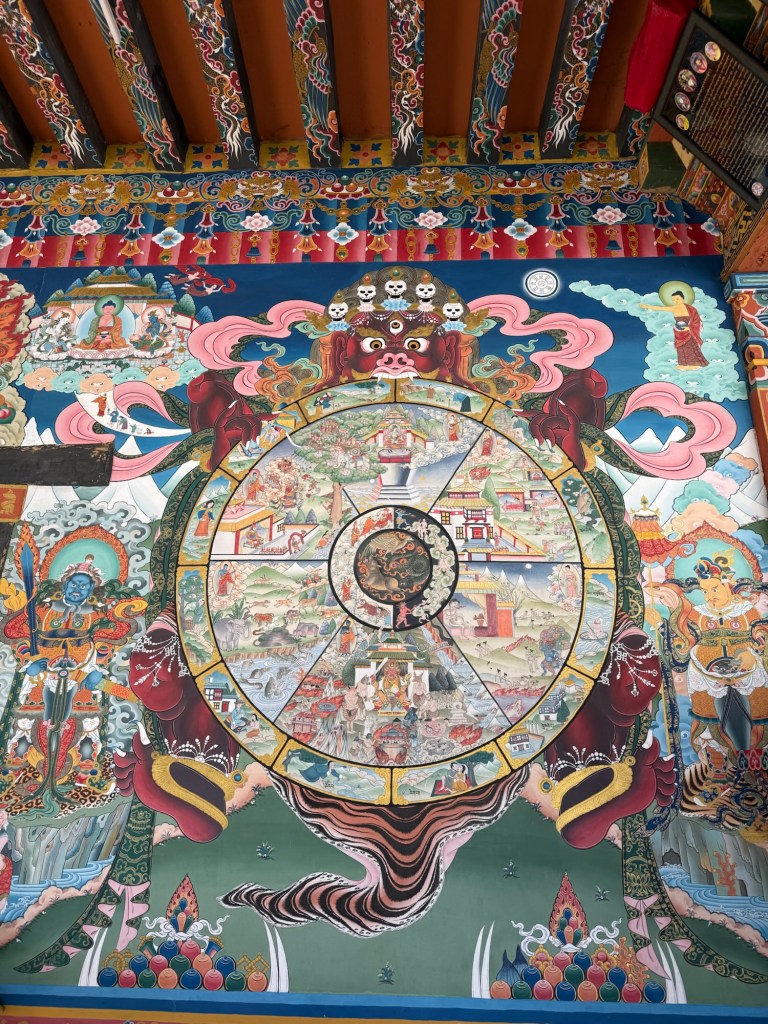
Furthermore, just as a universe forms, expands, contracts, explodes, and forms again, Buddhist beliefs posit that individual beings pass through a continuum of births and rebirths with repeated conception, growth, old age and death. However, because of our compulsive attachment to seeing everything as solid and permanent, we are reborn without any control in the cycle of Samsara.
Universes, civilizations and human life, will continually form and fall, and this is the truth of cyclical time, impermanence, and emptiness. This understanding constitutes the philosophical foundations of the Kalachakra teaching.
Kalachakra spreads to Himalayas.
It is believed that an Indian master, Chilupa, from Orissa travelled to Shambhala and returned with the scriptures in 966 CE. Subsequently in the early 11th century, another Indian scholar Somanatha introduced Kalachakra into Tibet, followed by many others.
Starting in the 13th century, as Buddhism saw decline in India, so did the Kalachakra tradition. However, it flourished in Tibet and from there two traditions spread across the Himalayan region.
The Kalachakratantra is composed of chapters on cosmology and astrology in how the universe is formed and falls – and tracks the movements of the planets and their effects on humans. For example, science has discovered recently that increased solar activity such as the geomagnetic storms may have impact on our mood causing anxiety and depression. The lunar cycle affecting the sea tides have long been established. All these were already written in the Kalachakra scriptures.
It also includes physiology – as in how a human body is made up of the natural elements and how it is a universe in itself – dependent on the wind, water, fire, and earth – both internally and externally. Interestingly, Kalachakra also sees society as a living microcosm and ecological system – a theory that has been only recognized in recent years in the modern academia.
Kalachakra and our Dharma Kings.
Because of the tradition of granting initiation en masse, Kalachakra has often conferred to unify people and nations and bring peace and harmony. Buddha Shakyamuni, for instance, is supposed to have bestowed to some 100 members of the Shambhala King Suchanda’s entourage. And so did King Manjushrikirti who initiated some 35 million of his subjects into the Kalachakra mandala.
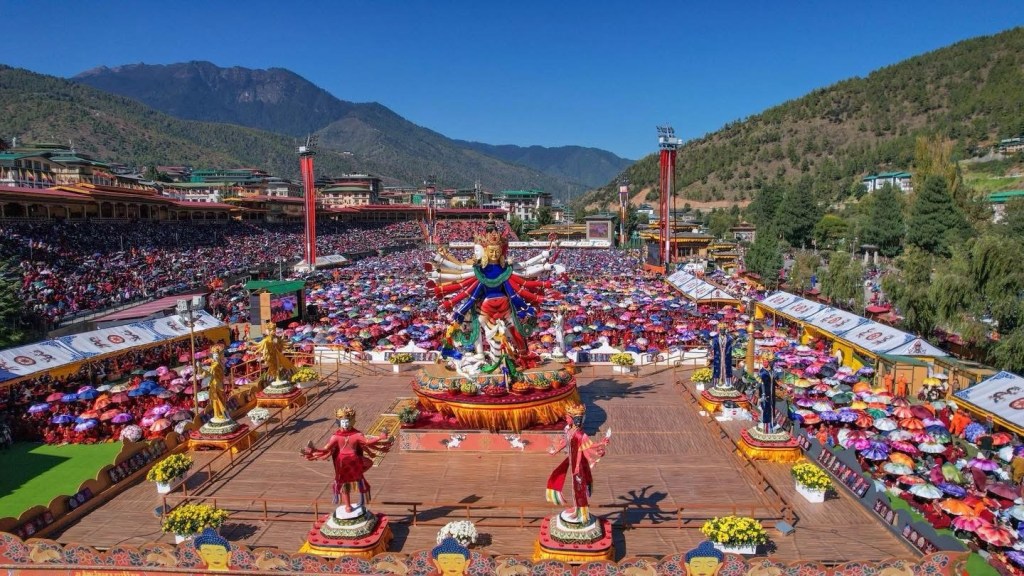
It was thus appropriate to include the Kalachakra Cycle in the Global Peace Prayers – given what is happening in the world today. This Initiative was a massive undertaking and of great historical significance – in that it brought together all schools of Buddhism into one place and prayer for the first time in modern history.
The Bhutanese people in particular, and Vajrayana practitioners in the world in general, are fortunate that we have Dharma Kings in our monarchs – His Majesty the King and His Majesty the Fourth Druk Gyalpo, to bring together the greater humanity.
And of course, our own Living Buddha – the Purest of the Pure, His Holiness Je Khenpo Jigme Choedra, who initiated us into the Kalachakra Mandala together with our Dharma Kings. This is the greatest privilege for all of us.
May Vajrayana flourish under them for all time to come. May peace and prosperity prevail in our Land.
And above all, may the world remember our monarchs as the Dharma Kings.
🙏🏻🙏🏻🙏🏻
༈ བྱང་ཆུབ་སེམས་མཆོག་རིན་པོ་ཆེ། ། Bodhicitta, precious and sublime མ་སྐྱེས་པ་རྣམས་སྐྱེས་པ་དང༌། ། May it rise in those in whom it has not arisen སྐྱེས་པ་ཉམས་པ་མེད་པ་ཡང༌། ། And where it has arisen, may it never decline གོང་ནས་གོང་དུ་འཕེལ་བར་ཤོག ། May it go on enhancing, further and further
Disclosure: This article is based on my conversation with Venerable Sonam Tobgye – the Abbot of Dodeydrak Monastic Institute.
The two Dharma kings of BhutanHis Holiness the Je KhenpoKalachakra statue at the venue











 Dorji Wangchuk